Công ty Hải Đức Bột với hơn 10 năm kinh nghiệm vận chuyển khí, cung cấp hệ thống‑thiết bị‑quạt gió và nhận dự án tổng thầu bột cả nước
When designing a hematite pneumatic conveying system, it is crucial to consider several key factors to ensure efficiency, reliability, and cost-effectiveness. The system involves transporting hematite powder through a pipeline using air pressure, which requires careful planning of components and operational parameters. This article outlines the essential steps and considerations for developing a well-designed system, tailored to the specific needs of industrial applications.
Key Components of a Hematite Pneumatic Conveying System
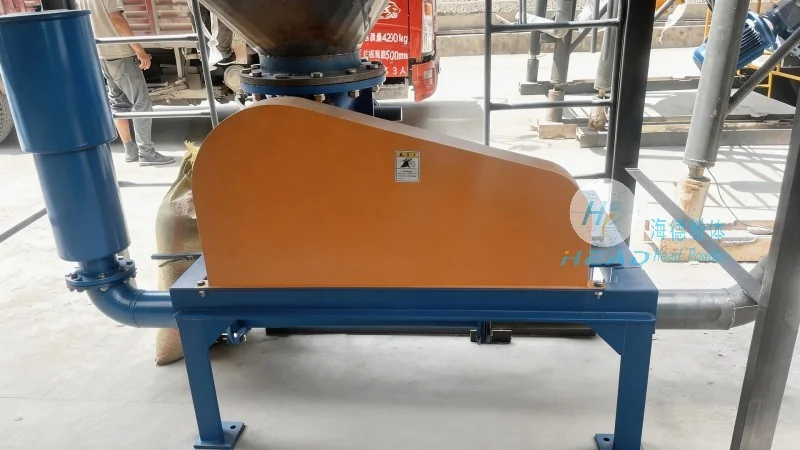
The core components of a pneumatic conveying system for hematite include the material feed hopper, air compressor, conveying pipeline, and receiving hopper. The feed hopper is responsible for storing and feeding the hematite powder into the system, ensuring a consistent flow rate. It is typically equipped with a rotary valve or screw feeder to control the material discharge, preventing blockages and maintaining uniform flow. The air compressor provides the necessary pressure to move the material through the pipeline, with selection based on the system's capacity (e.g., tonnage per hour) and the distance between the feed and receiving points. Common types include rotary screw compressors or centrifugal compressors, chosen based on the required pressure and flow rate. The conveying pipeline must be appropriately sized and constructed to handle the flow of hematite and air, minimizing pressure drop and wear. Materials such as stainless steel or PVC are often used for the pipeline, depending on the material's corrosiveness and abrasiveness. The receiving hopper collects the material at the destination, allowing for further processing or storage. It may include a dust filter or cyclone to separate any air from the material before discharge.
Design Considerations for System Efficiency
Efficiency in a hematite pneumatic conveying system is influenced by several design factors. The choice of conveying method—such as dilute phase or dense phase—depends on the material's properties, such as particle size (typically 0.1 to 2 mm for hematite) and moisture content. Dilute phase systems use lower air velocities (around 20-30 m/s) and are suitable for shorter distances (up to 100 meters), while dense phase systems employ higher air velocities (50-100 m/s) and are ideal for longer distances or when handling abrasive materials. The system's pressure drop must be minimized to reduce energy consumption and prevent material degradation. Proper maintenance of components, including regular cleaning of the pipeline and compressor, is also critical to maintain performance and extend the system's lifespan. Additionally, the use of energy-efficient compressors and optimized pipeline design can further enhance overall system efficiency.
Material Handling and Safety in Hematite Conveying
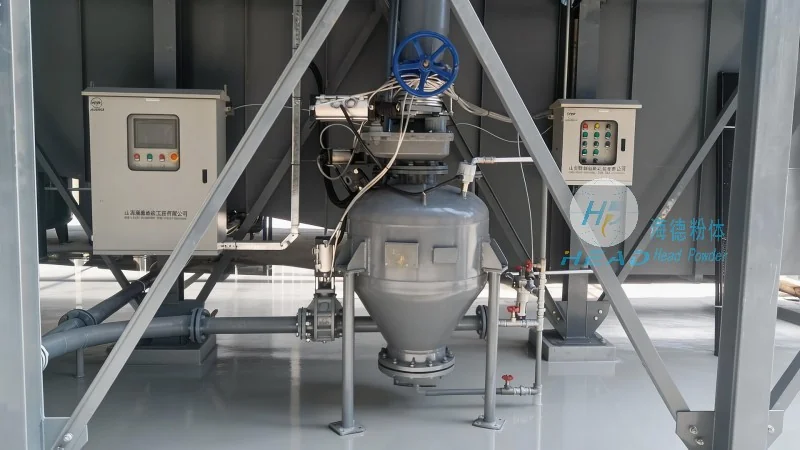
Handling hematite powder requires attention to safety and material integrity. The system should be designed to prevent dust accumulation, which can lead to fire hazards or equipment damage. Proper ventilation and dust collection systems are essential to maintain a safe working environment. Additionally, the material's abrasive nature may cause wear on components like the air compressor and pipeline, necessitating the use of durable materials such as stainless steel or special coatings. Regular inspection and maintenance of these components are necessary to avoid unexpected failures and ensure continuous operation. Safety features, including pressure relief valves and emergency shut-off systems, should also be incorporated into the design to protect personnel and equipment from potential risks.
Case Study: Successful Implementation by Shandong HeadPowder Engineering Co., Ltd.
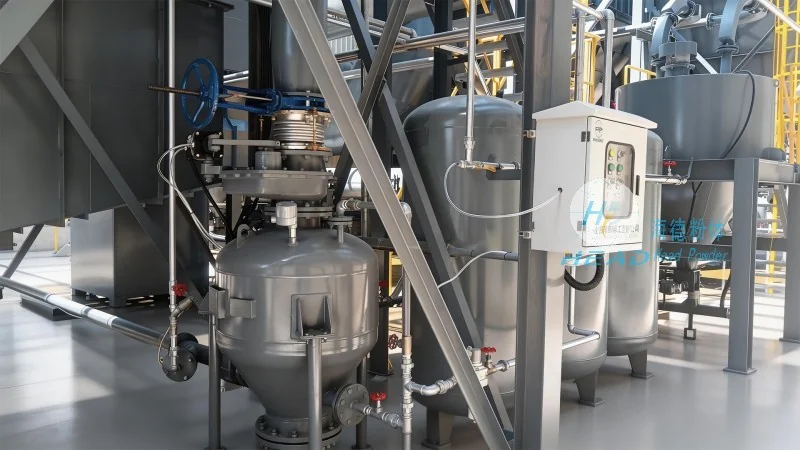
Shandong HeadPowder Engineering Co., Ltd., a leading provider of pneumatic conveying solutions, has successfully designed and implemented hematite pneumatic conveying systems for various industrial clients. The company's expertise lies in tailoring systems to meet specific operational requirements, ensuring optimal performance and reliability. For instance, a client in the mining industry required a system to transport hematite from a mine to a processing plant over a distance of 500 meters. The system was designed using a dense phase conveying method, with a high-efficiency air compressor (rated at 150 kW) and a robust stainless steel pipeline (DN200) to handle the abrasive nature of the material. The result was a significant reduction in energy consumption (from 30% to 20% of the original system) and improved material handling efficiency, with minimal material degradation. The system also included a dust collection system to maintain a safe working environment, demonstrating the effectiveness of a well-designed system.
Conclusion and Recommendations
Designing a reasonable hematite pneumatic conveying system involves a comprehensive approach that considers material properties, operational requirements, and safety considerations. By selecting appropriate components, optimizing system parameters, and implementing proper maintenance practices, industrial facilities can achieve efficient and reliable material transport. Shandong HeadPowder Engineering Co., Ltd. offers professional design and implementation services to help clients develop customized solutions that meet their specific needs, ensuring long-term performance and cost savings. For industries dealing with hematite, investing in a well-designed pneumatic conveying system can lead to improved productivity, reduced operational costs, and enhanced safety.

 Công ty TNHH Kỹ thuật Công trình Bột Hải Đức Sơn Đông
 156-6277-7102(Quản lý Trương)
  0531-83386006
  Quận Chương Khâu, Thành phố Tế Nam, Tỉnh Sơn Đông, Trung Quốc
Điện thoại
WeChatTư vấn
Lên đầu