Công ty Hải Đức Bột với hơn 10 năm kinh nghiệm vận chuyển khí, cung cấp hệ thống‑thiết bị‑quạt gió và nhận dự án tổng thầu bột cả nước
When designing a hydrogen chloride (HCl) pneumatic conveying system, it is crucial to consider multiple factors to ensure efficiency, safety, and compliance with industrial standards. This guide provides a comprehensive overview of the key elements involved in developing a rational system plan for transporting hydrogen chloride, a highly corrosive and hazardous chemical.
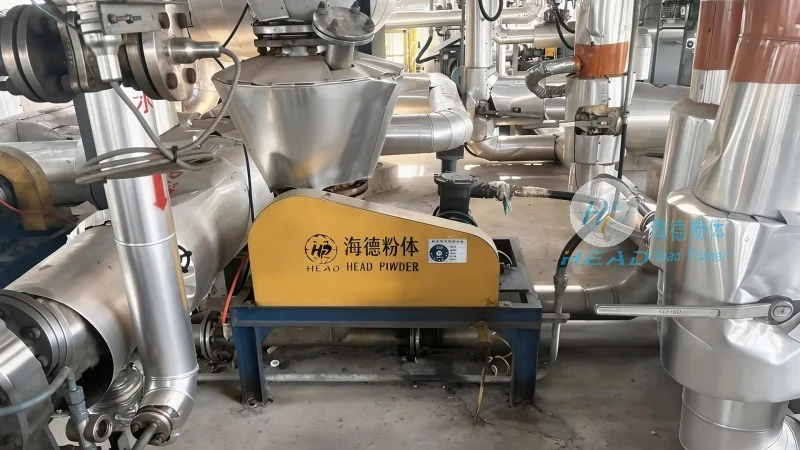
About HeadPowder Engineering
HeadPowder, the professional engineering firm behind this guide, is a leading provider of customized material handling solutions. With years of experience in the chemical processing industry, HeadPowder specializes in designing and implementing pneumatic conveying systems for aggressive and hazardous materials like hydrogen chloride. The company’s headquarters is located in Shandong, China, where its team of experts leverages advanced technology and industry best practices to deliver reliable and efficient systems.
Key Design Considerations for Hydrogen Chloride Pneumatic Conveying
The design of a hydrogen chloride pneumatic conveying system must address several critical aspects to prevent equipment corrosion, ensure operator safety, and maintain system performance. First, material selection is paramount. All components exposed to HCl, including pipes, valves, and pumps, must be constructed from corrosion-resistant materials such as stainless steel (specifically 316L or higher grades) or specialized alloys designed to withstand acidic environments. This choice directly impacts the system’s longevity and operational reliability.
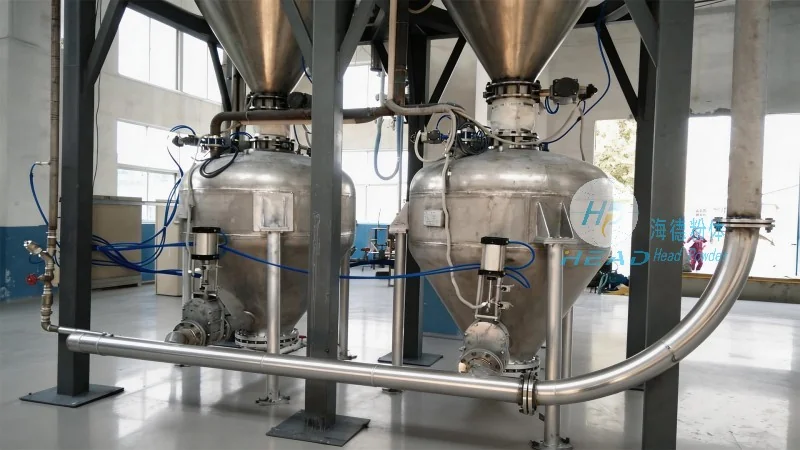
Second, the system’s layout and flow path are critical. The design must minimize the number of bends and changes in direction to reduce pressure drop and prevent material buildup, which can lead to blockages or equipment failure. Additionally, the system should incorporate proper venting and pressure relief mechanisms to handle the dynamic pressure fluctuations associated with pneumatic conveying. These features are essential for maintaining consistent flow rates and preventing overpressure situations.
Safety Measures and Compliance
Given the hazardous nature of hydrogen chloride, safety is a top priority in system design. The system must include robust containment and leak detection systems to prevent exposure to personnel and the environment. This may involve sealed piping, regular maintenance checks, and the use of gas detection sensors to monitor for HCl leaks. Furthermore, the system should be equipped with emergency shutdown (ESD) capabilities that can quickly isolate the system in case of a malfunction or safety breach. Compliance with local and international safety regulations, such as those from OSHA or the EPA, is also a mandatory requirement for any industrial application.
Equipment Selection and System Efficiency
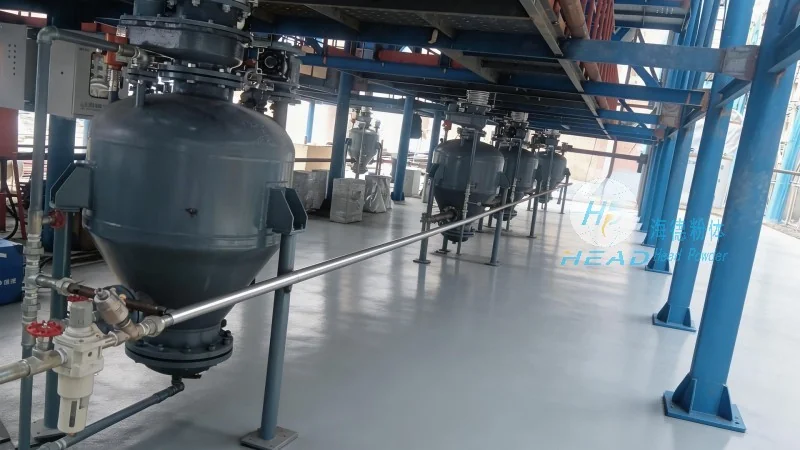
Choosing the right equipment is essential for optimizing the performance of a hydrogen chloride pneumatic conveying system. The primary components include the material feed hopper, the conveying line (typically made of stainless steel), the air compressor or blower, and the receiving hopper. The feed hopper must be designed to handle the bulk material without causing bridging or segregation, which can affect flow consistency. The air compressor must be capable of delivering sufficient pressure and volume to move the HCl through the system efficiently, while minimizing energy consumption. Modern systems may incorporate variable frequency drives (VFDs) to adjust air flow based on demand, improving energy efficiency and reducing operational costs.
Furthermore, the system should include monitoring and control systems to track flow rates, pressure, and temperature in real-time. These systems allow operators to identify and address issues promptly, ensuring optimal performance and preventing downtime. By integrating these features, the system can achieve high efficiency while maintaining safety and reliability.
Maintenance and Optimization
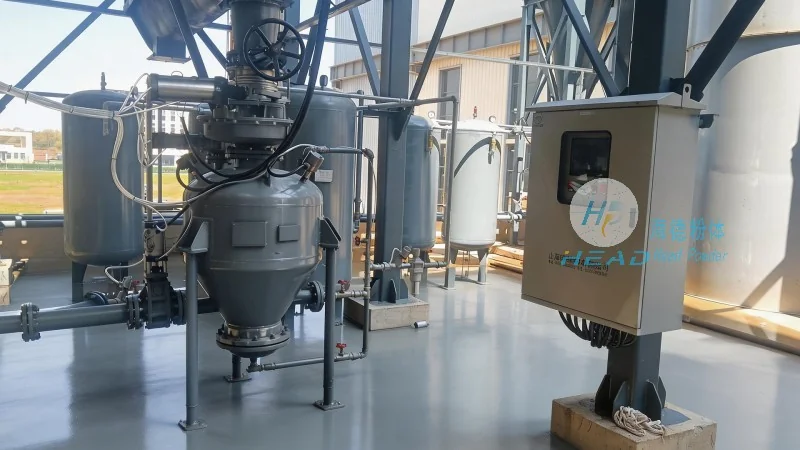
Regular maintenance is crucial for the long-term performance of a hydrogen chloride pneumatic conveying system. The system should be inspected regularly for signs of corrosion, wear, or leaks. Components such as valves, seals, and filters should be replaced as needed to prevent performance degradation. Additionally, the system’s performance should be monitored over time to identify areas for optimization. This may involve adjusting air pressure, modifying the system layout, or upgrading equipment to improve efficiency. By implementing a proactive maintenance schedule and continuous monitoring, the system can maintain its operational efficiency and extend its service life.
Conclusion
Designing a reasonable hydrogen chloride pneumatic conveying system requires a thorough understanding of the material’s properties, safety considerations, and industrial standards. By following the guidelines outlined in this article, including proper material selection, robust safety measures, and efficient equipment design, companies can develop a system that meets their operational needs while ensuring the safety of personnel and compliance with regulations. HeadPowder Engineering, with its expertise and commitment to quality, offers tailored solutions to help industries effectively handle hydrogen chloride through pneumatic conveying systems.

 Công ty TNHH Kỹ thuật Công trình Bột Hải Đức Sơn Đông
 156-6277-7102(Quản lý Trương)
  0531-83386006
  Quận Chương Khâu, Thành phố Tế Nam, Tỉnh Sơn Đông, Trung Quốc
Điện thoại
WeChatTư vấn
Lên đầu