Công ty Hải Đức Bột với hơn 10 năm kinh nghiệm vận chuyển khí, cung cấp hệ thống‑thiết bị‑quạt gió và nhận dự án tổng thầu bột cả nước
When designing a lithium carbonate pneumatic conveying system, it is crucial to consider multiple factors to ensure efficiency, safety, and cost-effectiveness. The system is designed to transport lithium carbonate powder from one location to another using air as the conveying medium. This method is widely used in the chemical and lithium industry due to its ability to handle fine powders and minimize material loss. Proper design is essential to prevent issues such as blockages, material degradation, and excessive energy consumption.
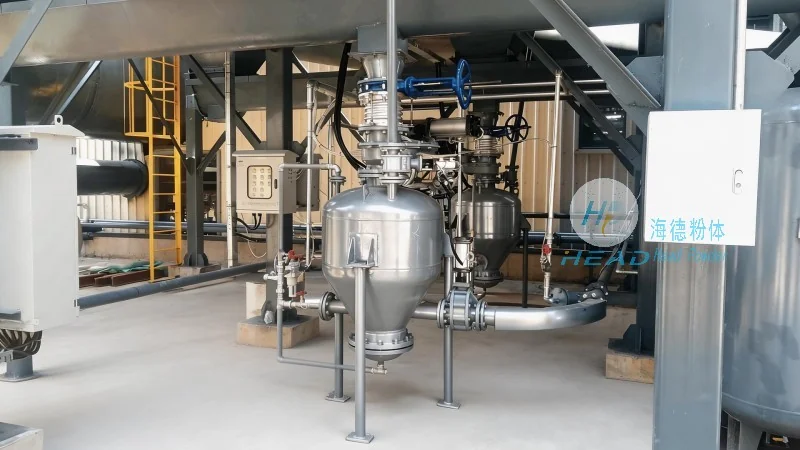
Key Design Considerations for Pneumatic Conveying Systems
Several critical aspects must be addressed during the design phase. First, the type of pneumatic conveying system—whether it is a pressure or vacuum system—needs to be determined based on the application requirements. Pressure systems are suitable for long-distance or high-velocity transport, while vacuum systems are ideal for short distances or when material needs to be drawn from a lower elevation. The choice of system type directly impacts the overall performance and operational costs.
Second, the material characteristics of lithium carbonate play a significant role. Lithium carbonate is a fine powder with specific density, flowability, and moisture content. These properties affect the air velocity required for proper transport. Engineers must calculate the appropriate air velocity to ensure the powder is fully suspended without causing excessive pressure drops or energy waste. Additionally, the system must be designed to handle variations in material properties, such as changes in moisture content or particle size, which can impact conveying efficiency.
System Components and Equipment Selection
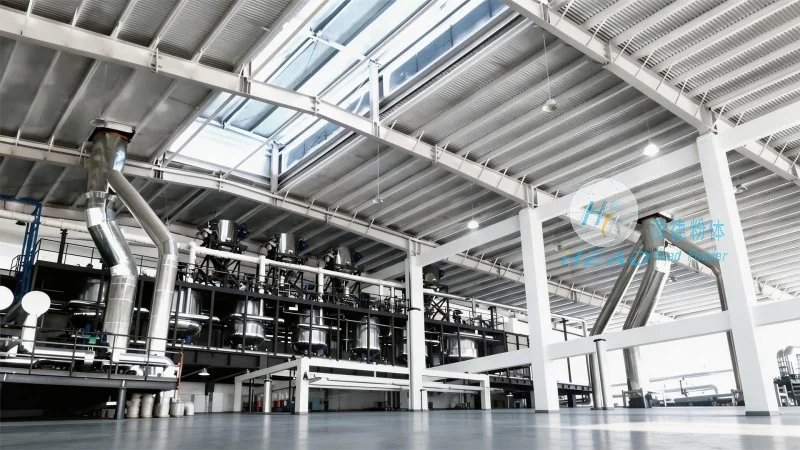
The successful operation of a pneumatic conveying system relies on the proper selection and integration of key components. These include the material feeders, which must be capable of delivering a consistent flow of lithium carbonate without causing blockages or uneven feeding. For lithium carbonate, which can be prone to bridging or agglomeration, specialized feeders like rotary valves or star feeders are often used to ensure smooth material transfer.
Next, the conveying line design is critical. The pipe diameter, length, and layout must be optimized to minimize pressure losses and ensure uniform air distribution. The use of bends, elbows, and expansion joints needs careful consideration to prevent material accumulation and reduce wear on the system components. Additionally, the system must include proper filtration and dust collection equipment to comply with environmental regulations and maintain air quality.
Pressure vessels and air compressors are another essential part of the system. The compressor must be sized to provide sufficient air pressure and volume to meet the conveying requirements. The pressure vessel, often used in pressure systems, stores compressed air and helps maintain consistent pressure throughout the system. Proper maintenance of these components is vital to ensure long-term system reliability and performance.
Control and Monitoring Systems
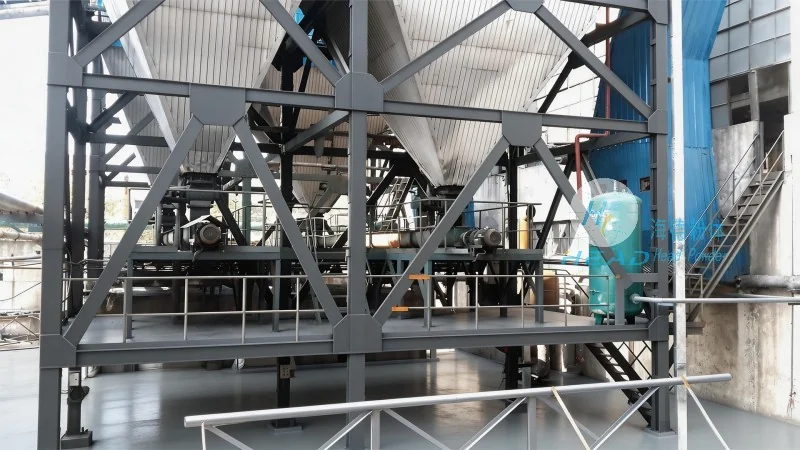
Modern pneumatic conveying systems incorporate advanced control and monitoring technologies to enhance operational efficiency and safety. These systems typically include sensors to measure pressure, flow rate, and material level in real-time. The data collected is used to adjust the system parameters dynamically, such as adjusting air pressure or flow rate based on the material feed rate. This automation helps optimize energy consumption and prevent overloading or underloading of the system.
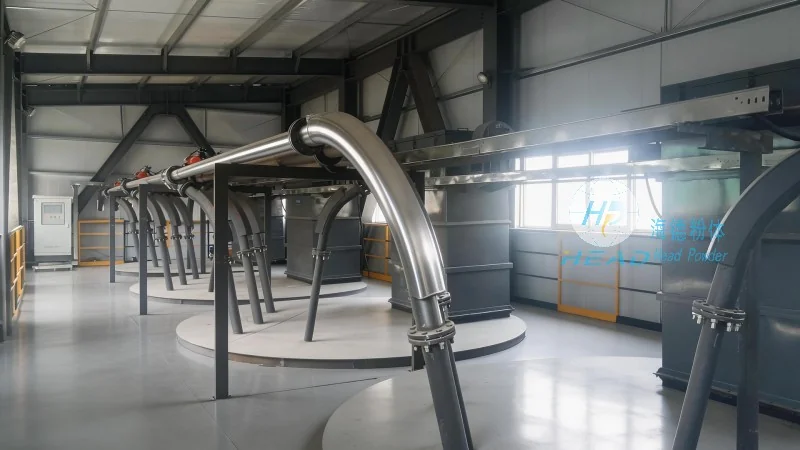
Additionally, the system may include alarms and safety features to detect potential issues such as blockages, pressure spikes, or air leaks. Early detection of these problems allows for timely intervention, minimizing downtime and reducing the risk of material loss or equipment damage. The integration of these control systems not only improves the system's performance but also enhances overall safety in the workplace.
Case Study: Successful Implementation by Shandong HeadPowder Engineering Co., Ltd.
Shandong HeadPowder Engineering Co., Ltd., a leading provider of engineering solutions for the chemical and lithium industries, has successfully designed and implemented numerous lithium carbonate pneumatic conveying systems. The company's expertise lies in understanding the unique challenges of handling fine powders like lithium carbonate and developing tailored solutions that meet the specific needs of each client.
For example, one project involved designing a pressure pneumatic conveying system for a lithium carbonate processing plant in China. The system was required to transport the material over a distance of 500 meters with a capacity of 10 tons per hour. HeadPowder engineers conducted a thorough analysis of the material properties, including particle size distribution and moisture content, and selected a combination of rotary valves and high-pressure air compressors. The system was designed with a robust filtration system to comply with local environmental regulations and included automated controls to optimize energy usage.
The implementation of this system resulted in significant improvements in material handling efficiency and reduced operational costs for the client. The system operated smoothly with minimal downtime, and the client reported a 20% reduction in energy consumption compared to traditional methods. This success highlights the importance of proper system design and the expertise of engineering firms like HeadPowder in delivering effective solutions for the lithium industry.

 Công ty TNHH Kỹ thuật Công trình Bột Hải Đức Sơn Đông
 156-6277-7102(Quản lý Trương)
  0531-83386006
  Quận Chương Khâu, Thành phố Tế Nam, Tỉnh Sơn Đông, Trung Quốc
Điện thoại
WeChatTư vấn
Lên đầu