Công ty Hải Đức Bột với hơn 10 năm kinh nghiệm vận chuyển khí, cung cấp hệ thống‑thiết bị‑quạt gió và nhận dự án tổng thầu bột cả nước
When it comes to handling aluminum sulfate, the choice of a pneumatic conveying system can significantly impact operational efficiency and cost-effectiveness. A well-designed system ensures smooth material transport, reduces downtime, and enhances overall safety. This article provides insights into the key considerations and steps for designing a rational aluminum sulfate pneumatic conveying system, with a focus on practical implementation and industry best practices.
Understanding the Core Requirements for Aluminum Sulfate Pneumatic Conveying
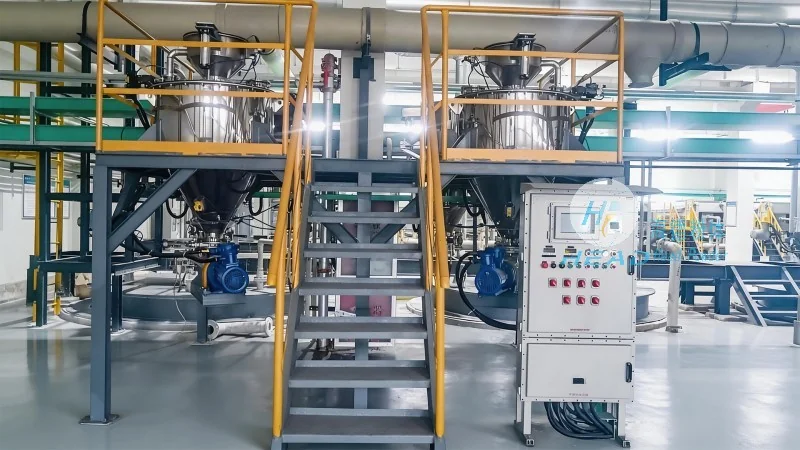
Before diving into the design specifics, it's crucial to understand the unique characteristics of aluminum sulfate. This material is typically a white crystalline powder with a specific gravity around 2.4, and it can be hygroscopic, meaning it absorbs moisture from the air. These properties affect how the material behaves during transport, influencing the selection of system components such as air compressors, ductwork, and material handling equipment. Additionally, the required conveying distance, flow rate, and ambient conditions must be considered to ensure the system meets operational demands.
Key Components and Their Selection Criteria
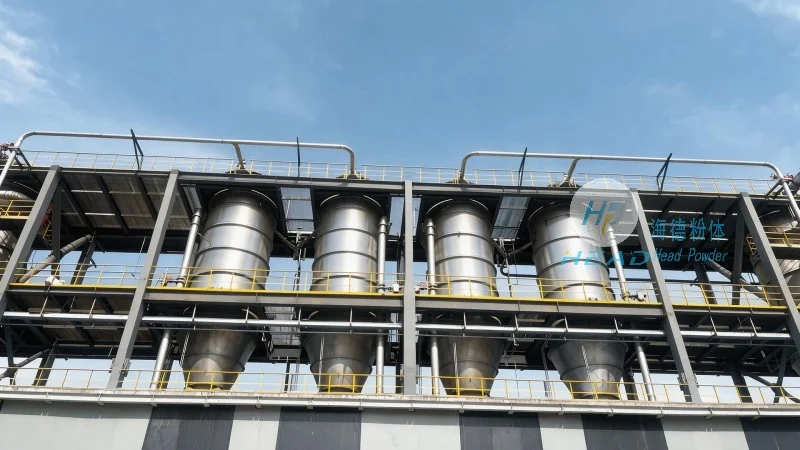
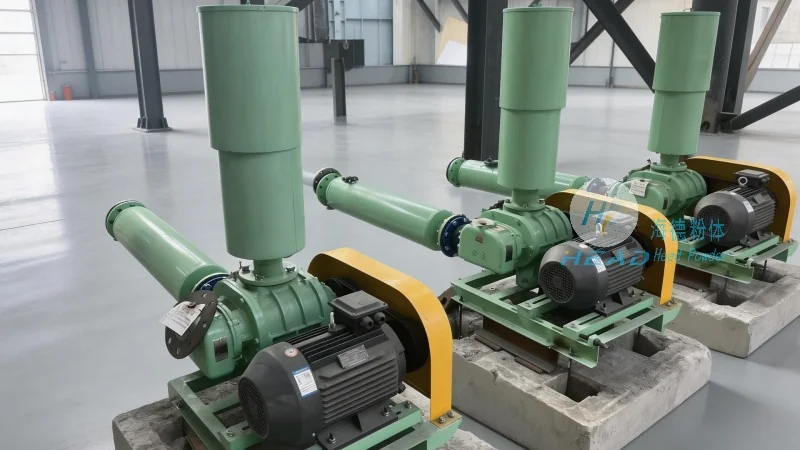
The success of an aluminum sulfate pneumatic conveying system relies on the proper selection and integration of several core components. The air compressor is the heart of the system, responsible for generating the necessary airflow and pressure. For aluminum sulfate, a positive displacement blower or a rotary lobe compressor is often preferred due to their ability to handle abrasive materials and provide consistent pressure. The ductwork design is equally critical; it should be constructed from materials resistant to corrosion, such as stainless steel or high-density polyethylene, to prevent degradation from the acidic nature of aluminum sulfate. Additionally, the use of appropriate fittings, such as elbows and tees, minimizes pressure losses and ensures smooth material flow.
System Sizing and Flow Rate Optimization
Accurate system sizing is essential to avoid under- or over-designing the pneumatic conveying system. The flow rate required depends on the production capacity and the distance the material needs to travel. Calculations should consider the material's bulk density, particle size distribution, and the desired conveying velocity. For aluminum sulfate, a typical conveying velocity ranges from 20 to 30 meters per second, depending on the system configuration. Proper sizing ensures that the air volume and pressure are sufficient to maintain the material in suspension, preventing blockages and ensuring consistent delivery to the destination. This step often involves using specialized software or consulting with industry experts to model the system and predict performance under various conditions.
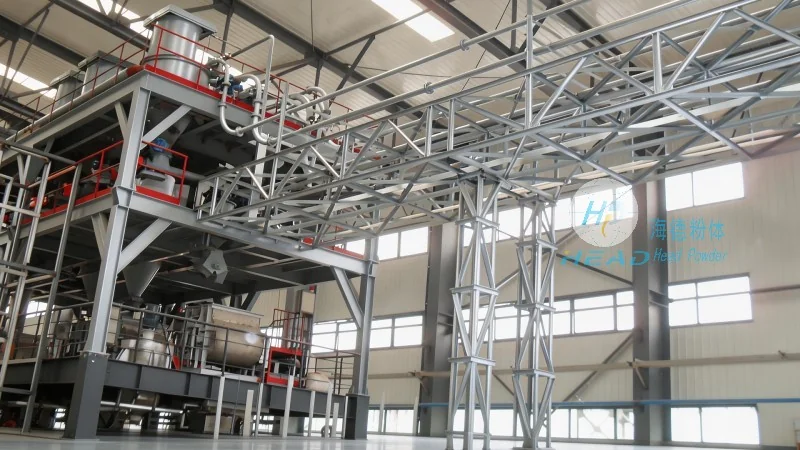
Integration of Material Handling Equipment
The design of the pneumatic conveying system must also consider the integration of material handling equipment at both the inlet and outlet. At the source, a hopper or feeder is used to control the flow of aluminum sulfate into the system, preventing material buildup and ensuring a steady feed. The hopper design should include features like a conical bottom and a discharge valve to facilitate smooth material release. At the destination, a receiver or silo is used to collect the conveyed material, and it should be equipped with a venting system to manage air pressure and prevent dust accumulation. The choice of equipment depends on the system's capacity and the specific application, such as whether the material is being transported to a storage tank or a processing unit.
Ensuring System Reliability and Maintenance
A well-designed aluminum sulfate pneumatic conveying system should prioritize reliability and ease of maintenance. Regular maintenance is crucial to prevent system failures and extend the lifespan of components. This includes monitoring air pressure, checking for leaks in the ductwork, and inspecting the condition of the air compressor and other equipment. Additionally, the system should be equipped with safety features such as pressure relief valves and dust collection systems to mitigate risks associated with material handling. By implementing a proactive maintenance schedule and using high-quality components, the system can operate efficiently for extended periods, reducing downtime and operational costs.
Case Study: Successful Implementation by Shandong HeadPowder Engineering Co., Ltd.
Shandong HeadPowder Engineering Co., Ltd., a leading provider of material handling solutions, has successfully designed and implemented aluminum sulfate pneumatic conveying systems for various clients. One notable project involved supplying a chemical plant with a system capable of transporting 50 tons of aluminum sulfate per hour over a distance of 200 meters. The system was designed with stainless steel ductwork and a rotary lobe compressor, ensuring resistance to corrosion and consistent performance. The client reported significant improvements in operational efficiency, with reduced labor costs and increased production throughput. This case study highlights the importance of tailored system design and the expertise of experienced engineering firms in delivering reliable solutions for industrial material handling needs.
Conclusion: The Importance of Professional Design and Expertise
Designing a rational aluminum sulfate pneumatic conveying system requires a comprehensive understanding of material properties, system components, and operational requirements. By following best practices and leveraging the expertise of experienced engineers, such as those at Shandong HeadPowder Engineering Co., Ltd., companies can ensure the successful implementation of a system that meets their specific needs. A well-designed system not only improves operational efficiency but also enhances safety and reduces long-term maintenance costs. As the demand for efficient material handling solutions continues to grow, investing in professional design and quality components remains a critical step for businesses operating in the chemical and industrial sectors.

 Công ty TNHH Kỹ thuật Công trình Bột Hải Đức Sơn Đông
 156-6277-7102(Quản lý Trương)
  0531-83386006
  Quận Chương Khâu, Thành phố Tế Nam, Tỉnh Sơn Đông, Trung Quốc
Điện thoại
WeChatTư vấn
Lên đầu