Công ty Hải Đức Bột với hơn 10 năm kinh nghiệm vận chuyển khí, cung cấp hệ thống‑thiết bị‑quạt gió và nhận dự án tổng thầu bột cả nước
When it comes to handling magnesium silicate materials, the design of an efficient and reliable pneumatic conveying system is crucial for optimizing production processes and ensuring material integrity. A well-designed system not only enhances operational efficiency but also minimizes downtime and maintenance costs. This article provides a comprehensive guide on how to design a reasonable magnesium silicate pneumatic conveying system plan, incorporating key considerations and best practices from industry experts.
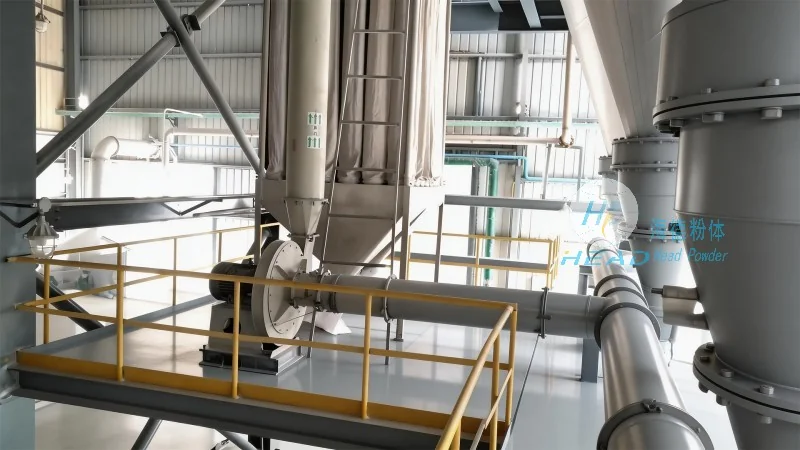
Understanding the Core Requirements for Magnesium Silicate Pneumatic Conveying
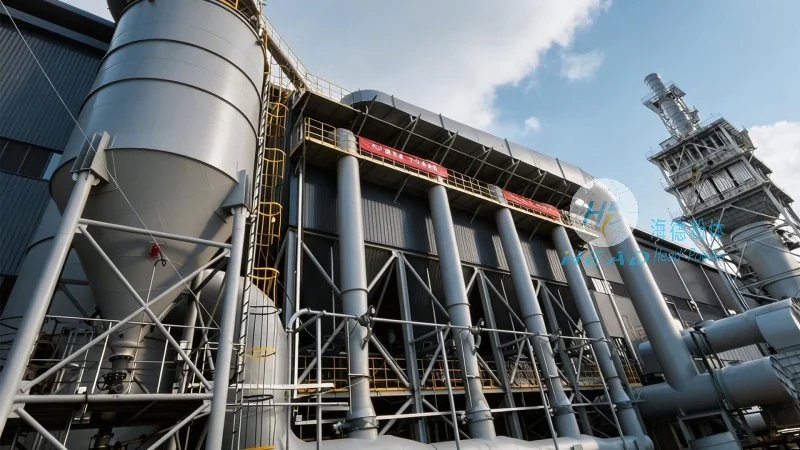
Before diving into the design specifics, it's essential to understand the unique characteristics of magnesium silicate. This material often exhibits specific properties such as particle size distribution, moisture content, and flowability, which directly impact the choice of conveying method and equipment. For instance, fine powders may require higher air velocities and specialized feeding mechanisms to prevent blockages and ensure consistent flow. By thoroughly analyzing these material properties, engineers can tailor the system design to meet the exact demands of the application.
Key Design Factors for an Optimal Pneumatic Conveying System
Several critical factors must be considered when designing a magnesium silicate pneumatic conveying system. The first is the required conveying distance and flow rate, as these parameters dictate the system's capacity and energy consumption. Engineers typically calculate the necessary air volume and pressure based on the material's bulk density and the desired throughput. Another important factor is the choice between suction and pressure conveying systems. Suction systems are ideal for short distances and when the material is to be collected from multiple points, while pressure systems are better suited for longer distances and when the material needs to be discharged at a higher elevation. The decision between these two approaches often depends on the specific layout of the facility and the operational requirements.
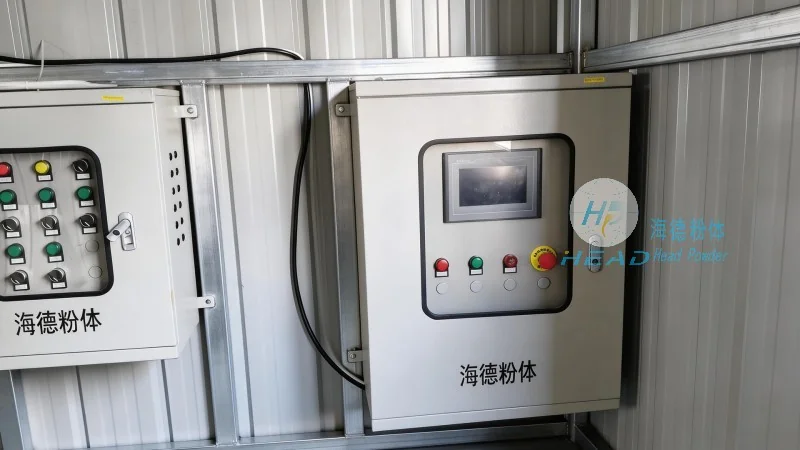
Equipment Selection and System Configuration
The selection of appropriate equipment is a pivotal step in ensuring the system's effectiveness. For magnesium silicate, common components include rotary air locks, feeders, and pneumatic conveying lines. The rotary air lock, or star valve, is used to separate the material from the air stream at the discharge point, preventing backflow and maintaining system pressure. The feeder, such as a rotary feeder or a screw feeder, is responsible for feeding the material into the conveying line at a controlled rate. The choice of feeder depends on the material's flowability and the required feeding accuracy. The conveying line itself should be made of materials resistant to corrosion and abrasion, as magnesium silicate can be abrasive and may contain moisture that could cause corrosion over time. Additionally, the system may include a dust collector or a cyclone separator to capture any fine particles and ensure compliance with environmental regulations.
Ensuring System Reliability and Efficiency
Once the equipment is selected and configured, it's crucial to optimize the system for reliability and efficiency. This involves proper sizing of the air compressor and the use of energy-efficient components. Regular maintenance is also essential to prevent system failures and extend the lifespan of the equipment. For instance, cleaning the conveying lines and replacing worn-out parts at scheduled intervals can significantly reduce downtime. Furthermore, monitoring the system's performance through sensors and data logging can help identify potential issues before they escalate into major problems. By implementing these measures, the system can operate at peak efficiency, delivering consistent performance over the long term.
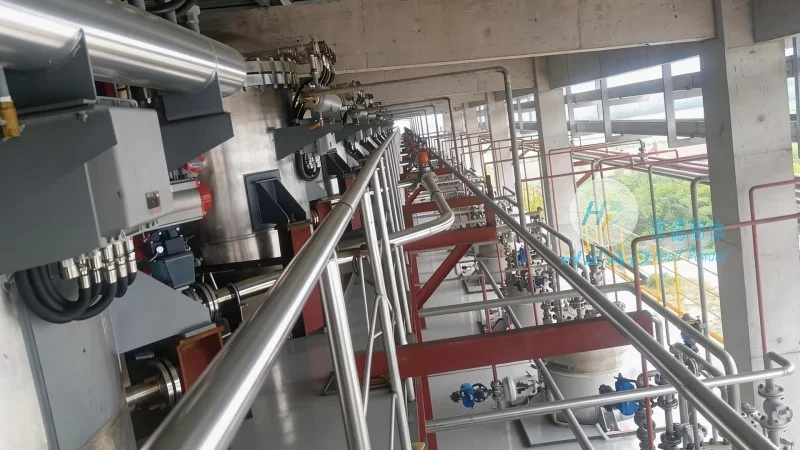
HeadPowder: Your Partner in Designing Reliable Pneumatic Conveying Systems
At Shandong HeadPowder Engineering Co., Ltd., we specialize in providing tailored solutions for pneumatic conveying systems, including those for magnesium silicate applications. With years of experience in the industry, our team of engineers leverages advanced design methodologies and cutting-edge technology to develop systems that meet the highest standards of efficiency and reliability. Our approach is customer-centric, ensuring that each system is customized to the specific needs of the client, whether it's a new installation or an upgrade to an existing facility. Based in Shandong, China, we draw on our local expertise and global best practices to deliver solutions that are both effective and cost-efficient. We understand that a well-designed pneumatic conveying system is not just about moving material—it's about enhancing the overall productivity and sustainability of your operations.

 Công ty TNHH Kỹ thuật Công trình Bột Hải Đức Sơn Đông
 156-6277-7102(Quản lý Trương)
  0531-83386006
  Quận Chương Khâu, Thành phố Tế Nam, Tỉnh Sơn Đông, Trung Quốc
Điện thoại
WeChatTư vấn
Lên đầu