Công ty Hải Đức Bột với hơn 10 năm kinh nghiệm vận chuyển khí, cung cấp hệ thống‑thiết bị‑quạt gió và nhận dự án tổng thầu bột cả nước
When it comes to industrial processes that require the efficient and safe handling of denitrizer, the design of a pneumatic conveying system is a critical factor. A well-designed system not only ensures optimal performance but also enhances operational safety and reduces maintenance costs. This article will explore the key considerations and steps involved in creating a reasonable denitrizer pneumatic conveying system plan, with a focus on the expertise of Shandong HeadPowder Engineering Co., Ltd. (hereinafter referred to as HeadPowder).
Understanding the Core Principles of Denitrizer Pneumatic Conveying
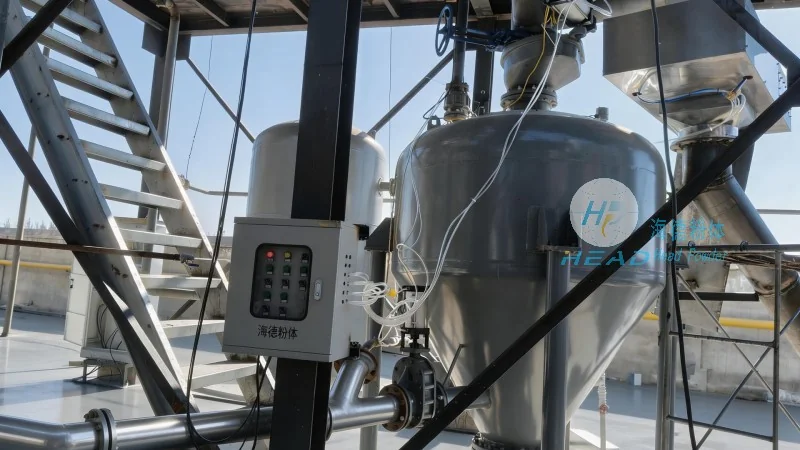
The first step in designing a denitrizer pneumatic conveying system is to understand the fundamental principles that govern its operation. Pneumatic conveying systems use air or other gases to transport bulk materials like denitrizer from one location to another. The key principles include the balance of pressure, flow rate, and material characteristics. For denitrizer, which is often a fine powder, the system must be designed to prevent clogging, ensure consistent flow, and maintain the material's quality. HeadPowder emphasizes the importance of material analysis at the initial stage. By examining the particle size distribution, moisture content, and flow properties of the denitrizer, engineers can select the appropriate conveying method—such as dilute phase or dense phase—and determine the optimal air velocity and pressure levels.
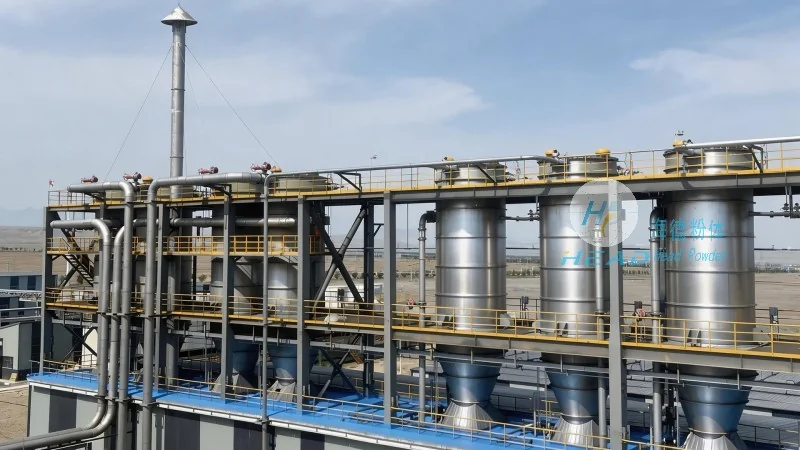
Key Components of a Denitrizer Pneumatic Conveying System
A denitrizer pneumatic conveying system typically consists of several key components, each playing a vital role in the overall operation. The main components include the material hopper, feeder, conveying line, and receiver. The material hopper is where the denitrizer is stored before being fed into the system. It must be designed to prevent material bridging and ensure a consistent feed rate. The feeder, often a rotary valve or a screw feeder, controls the flow of denitrizer into the conveying line. The conveying line, which can be made of metal or plastic, transports the denitrizer using compressed air. The receiver is where the denitrizer is deposited after being conveyed. HeadPowder recommends using high-quality materials for the conveying line to prevent corrosion and ensure durability, especially when dealing with denitrizer that may be acidic or have abrasive properties.
Design Considerations for System Efficiency and Safety
Efficiency and safety are paramount when designing a denitrizer pneumatic conveying system. Efficiency can be improved by optimizing the air velocity and pressure, which directly impacts the conveying capacity and energy consumption. HeadPowder engineers use advanced simulation tools to model the system and identify the most efficient operating parameters. Safety considerations include the prevention of dust explosions, which is a major risk in powder handling. Proper explosion-proof design, such as using flame arrestors and ensuring adequate ventilation, is essential. Additionally, the system should be equipped with safety valves and pressure relief devices to prevent over-pressurization. HeadPowder adheres to international safety standards and provides comprehensive safety assessments during the design phase to ensure compliance with regulations.
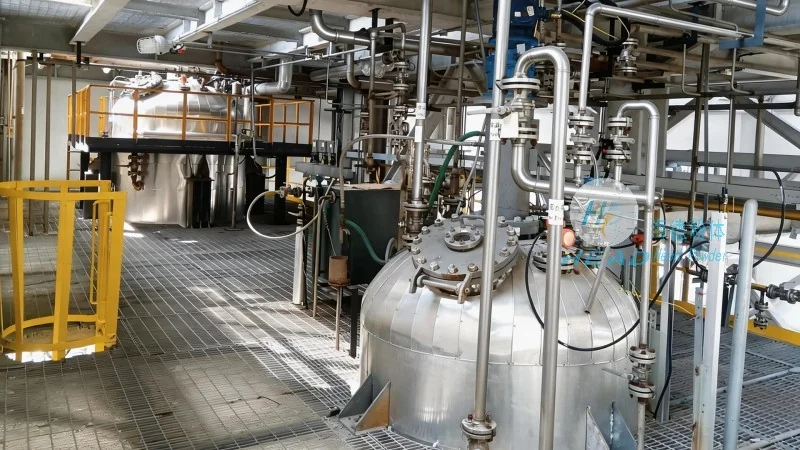
Customization and Integration with Existing Systems
Many industrial facilities already have existing infrastructure, such as storage silos or processing equipment, that need to be integrated with the new denitrizer pneumatic conveying system. HeadPowder specializes in customizing solutions to fit these existing systems, minimizing disruption to current operations. This involves careful planning to ensure that the new system can connect seamlessly with the existing equipment, such as the material hopper or the processing line. The company also considers the space constraints and layout of the facility, designing the system to fit within the available footprint while maintaining optimal performance. Customization may also include the selection of appropriate control systems, such as PLC (Programmable Logic Controller) for automated operation and monitoring.

Installation and Commissioning Services by HeadPowder
After the design phase, the successful implementation of the denitrizer pneumatic conveying system depends on professional installation and commissioning. HeadPowder provides comprehensive installation services, including on-site assembly, piping, and electrical work. The company's experienced technicians ensure that all components are installed according to the design specifications and industry standards. Commissioning involves testing the system to verify its performance, including flow rates, pressure levels, and material handling efficiency. HeadPowder conducts thorough testing to identify and resolve any issues before the system is handed over to the client. This ensures that the system operates as intended and meets the client's requirements. The company also offers post-installation support and maintenance services to ensure the long-term reliability and performance of the system.

 Công ty TNHH Kỹ thuật Công trình Bột Hải Đức Sơn Đông
 156-6277-7102(Quản lý Trương)
  0531-83386006
  Quận Chương Khâu, Thành phố Tế Nam, Tỉnh Sơn Đông, Trung Quốc
Điện thoại
WeChatTư vấn
Lên đầu