Công ty Hải Đức Bột với hơn 10 năm kinh nghiệm vận chuyển khí, cung cấp hệ thống‑thiết bị‑quạt gió và nhận dự án tổng thầu bột cả nước
When designing a biocatalyst pneumatic conveying system, it is crucial to consider multiple factors to ensure efficiency, reliability, and cost-effectiveness. The system's design directly impacts the handling of biocatalysts, which are often sensitive materials requiring precise control during transport. This article outlines key considerations and steps for developing an optimal plan for such systems, presented by Shandong HeadPowder Engineering Co., Ltd., a leading provider in the field.
Understanding the Core Components of a Biocatalyst Pneumatic Conveying System
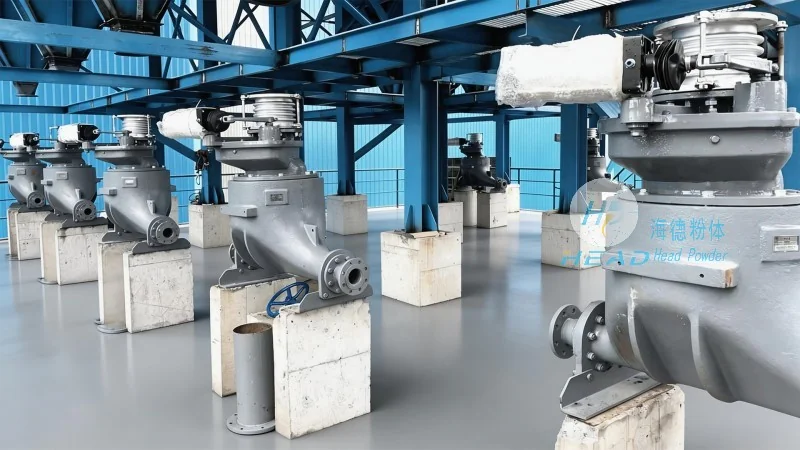
A biocatalyst pneumatic conveying system typically consists of several critical components. The system includes a hopper or feed bin to store the biocatalyst material, a rotary valve or feeder to control the material flow, a conveying line (often with multiple sections), a dust collector or filter to manage airborne particles, and a blower or compressor to generate the air pressure needed for transport. Each component must be selected and sized appropriately to handle the specific characteristics of the biocatalyst, such as particle size, moisture content, and bulk density.
Key Design Considerations for System Efficiency and Reliability
Designing a pneumatic conveying system for biocatalysts involves evaluating several technical aspects to ensure optimal performance. First, the material's physical properties, including particle size distribution, shape, and flowability, are critical. Biocatalysts may have irregular shapes or high moisture content, which can affect how they behave in the conveying line. The system must be designed to prevent blockages or agglomeration, which could lead to system downtime. Additionally, the air velocity and pressure must be carefully controlled to maintain material transport without causing excessive wear on equipment or generating too much dust.
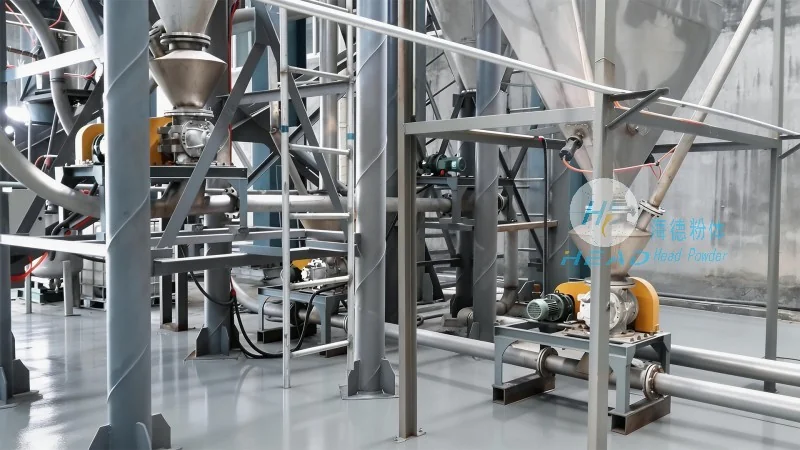
Another important consideration is the system's scale and capacity. The design should align with the production requirements of the facility, ensuring that the conveying rate meets the processing needs without overloading the components. For example, if the biocatalyst is used in a continuous production line, the system must be capable of handling a consistent flow rate. The selection of the blower or compressor also plays a vital role; it should provide sufficient air volume and pressure while being energy-efficient to minimize operational costs.
Ensuring Safety and Compliance in Biocatalyst Handling
Biocatalysts, especially those derived from biological sources, may have specific safety and regulatory requirements. The pneumatic conveying system must be designed to comply with relevant industry standards and regulations, such as those related to dust explosion prevention, material containment, and environmental protection. For instance, the system may need to incorporate explosion-proof features if the biocatalyst is flammable or has the potential to generate combustible dust. Proper sealing and filtration are also essential to prevent cross-contamination and maintain product purity.
Optimizing System Performance Through Proper Sizing and Layout
The layout of the pneumatic conveying system is another critical factor in its performance. The distance between the feed point and the discharge point, as well as the number of bends or changes in direction, can impact the air velocity and pressure required. A well-designed layout minimizes pressure losses and ensures that the material is conveyed smoothly without excessive energy consumption. The use of appropriate pipe materials, such as stainless steel or food-grade plastics, is also important to prevent material degradation or contamination.
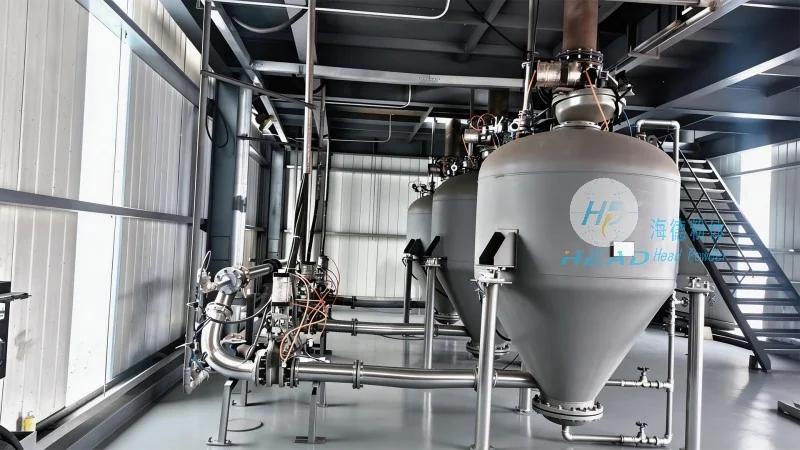
Case Study: Successful Implementation by Shandong HeadPowder Engineering Co., Ltd.
Shandong HeadPowder Engineering Co., Ltd. has successfully implemented biocatalyst pneumatic conveying systems for various clients. One notable project involved designing a system for a biotech company producing enzymes used in food processing. The system was tailored to handle the specific enzyme characteristics, including high moisture content and fine particle size. By carefully selecting components like a high-capacity rotary valve and a low-noise blower, the system achieved efficient transport while maintaining product quality. The client reported significant improvements in production efficiency and reduced downtime due to the reliable design.
Conclusion: A Comprehensive Approach to System Design
Designing a reasonable biocatalyst pneumatic conveying system requires a comprehensive approach that considers the material's properties, system components, operational requirements, and safety regulations. By following a systematic design process and leveraging expertise from companies like Shandong HeadPowder Engineering Co., Ltd., facilities can achieve efficient, reliable, and cost-effective transport of biocatalysts. This ensures that the biocatalyst is handled with precision, maintaining its quality and effectiveness throughout the conveying process.

 Công ty TNHH Kỹ thuật Công trình Bột Hải Đức Sơn Đông
 156-6277-7102(Quản lý Trương)
  0531-83386006
  Quận Chương Khâu, Thành phố Tế Nam, Tỉnh Sơn Đông, Trung Quốc
Điện thoại
WeChatTư vấn
Lên đầu