Công ty Hải Đức Bột với hơn 10 năm kinh nghiệm vận chuyển khí, cung cấp hệ thống‑thiết bị‑quạt gió và nhận dự án tổng thầu bột cả nước
Designing an efficient and reliable activated carbon pneumatic conveying system is crucial for industries dealing with bulk material handling, particularly in applications requiring precise control over material flow and environmental compliance. A well-designed system not only enhances operational efficiency but also ensures safety and cost-effectiveness over the long term. This article provides a comprehensive guide on the key considerations and steps involved in developing a rational plan for such a system, with a focus on practical implementation and industry best practices.
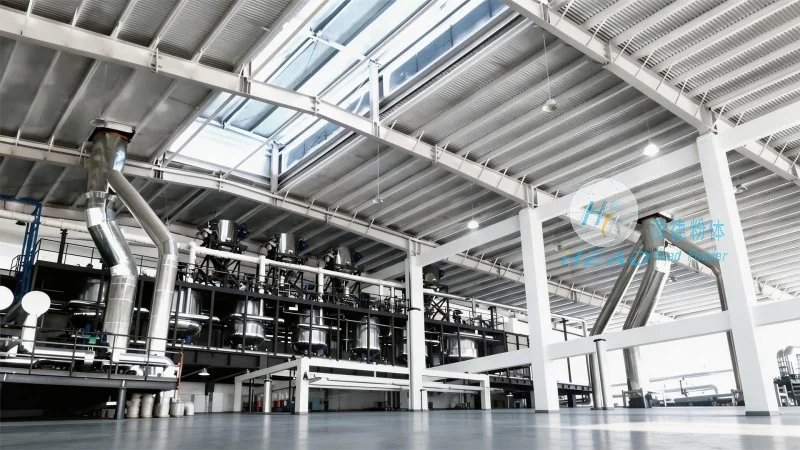
Understanding the Core Requirements for Activated Carbon Pneumatic Conveying
Before diving into the design specifics, it is essential to clearly define the operational requirements and constraints of the system. Key factors include the type and properties of the activated carbon being handled—such as particle size, moisture content, and bulk density—along with the desired conveying distance, flow rate, and pressure levels. Additionally, the system must comply with local regulations regarding dust control, noise reduction, and material containment. By thoroughly analyzing these parameters at the outset, engineers can avoid costly redesigns later in the process.
Choosing the Right Pneumatic Conveying Technology
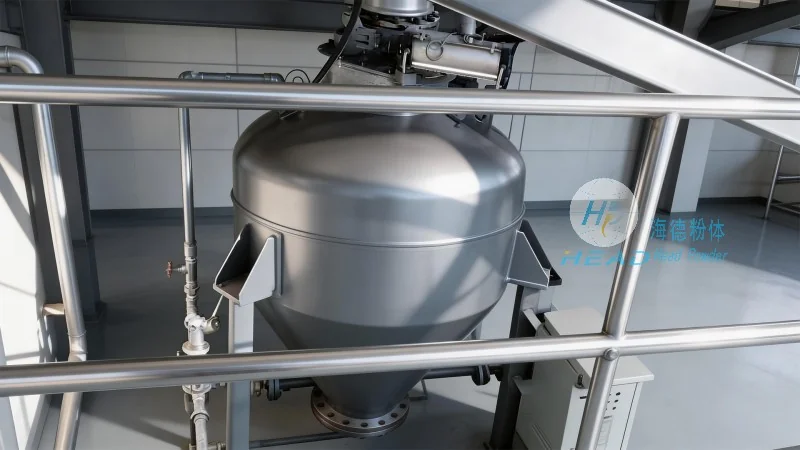
There are primarily two types of pneumatic conveying systems: pressure and vacuum. Pressure systems use compressed air to push material through a pipeline, while vacuum systems use a vacuum to pull material. The selection depends on factors like the distance to be covered, the material's flow characteristics, and the need for dust-free handling. For activated carbon, which is often fine and prone to dust, a pressure system with positive displacement blowers is commonly preferred as it offers better control over particle velocity and reduces the risk of material degradation. The choice of blower type—such as rotary lobe or Roots blowers—also impacts the system's efficiency and maintenance requirements.
System Layout and Equipment Selection
The layout of the conveying system is a critical design element that affects both performance and cost. Key equipment includes the hopper (for material storage and feeding), the conveyor line (with appropriate pipe diameter and material of construction), the air compressor or blower, and the receiver (for material discharge). The hopper design must prevent material bridging or caking, which can impede flow. The pipe diameter is typically determined by the material's flow rate and velocity; larger diameters reduce pressure drop but increase cost. The receiver should be equipped with a dust collection system to ensure environmental compliance and prevent material loss. Shandong HeadPowder Engineering Co., Ltd., a leading provider in this field, specializes in customizing such layouts to meet specific client needs, ensuring optimal performance and longevity.
Material Handling and Flow Control
Effective flow control is essential to prevent issues like surging, choking, or excessive pressure drops. This involves selecting appropriate valves (such as rotary airlock valves or slide gates) and ensuring proper air-to-material ratios. The air velocity in the pipeline must be maintained above the minimum required to prevent material settling but below the maximum to avoid excessive wear on equipment. For activated carbon, which is abrasive, using wear-resistant materials for the pipeline and components is vital to extend the system's lifespan. Additionally, incorporating cleaning mechanisms, such as pulse jets or rotary cleaners, can help maintain system efficiency over time.
Environmental and Safety Considerations
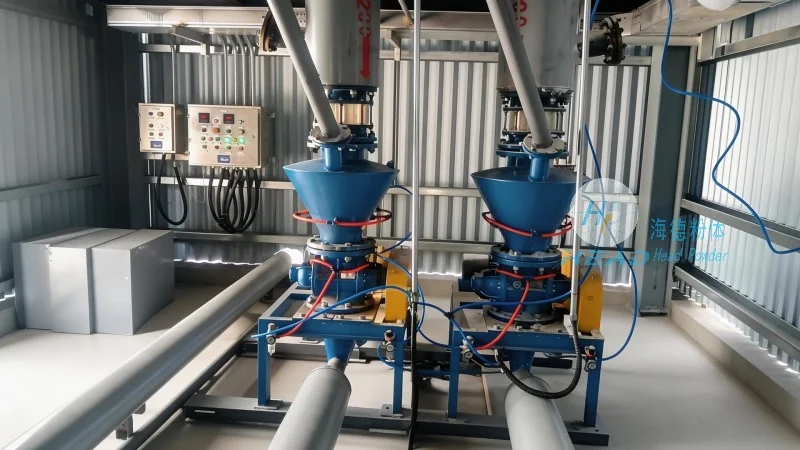
Given the nature of activated carbon as a fine powder, dust control is a paramount concern. The system should be equipped with dust collection systems at the hopper inlet, pipeline junctions, and receiver outlet to prevent airborne particulate release. Proper ventilation and filtration are necessary to ensure workplace safety and compliance with environmental regulations. Safety features like pressure relief valves, emergency shut-off mechanisms, and grounding systems are also critical to prevent accidents and protect personnel. Shandong HeadPowder Engineering Co., Ltd. adheres to strict safety and environmental standards in all its designs, ensuring that systems not only meet but exceed regulatory requirements.
Integration and Commissioning
Once the design is finalized, the integration of components and the commissioning process are crucial for successful system operation. This involves coordinating the installation of the hopper, conveyor line, and air compressor, followed by system testing to verify flow rates, pressure drops, and material transfer efficiency. Commissioning also includes adjusting air-to-material ratios, valve positions, and other parameters to achieve optimal performance. Regular maintenance schedules and training for operators are essential to ensure the system operates at peak efficiency and longevity. Shandong HeadPowder Engineering Co., Ltd. provides comprehensive support throughout this process, from initial design to post-commissioning maintenance, helping clients achieve reliable and sustainable material handling solutions.

 Công ty TNHH Kỹ thuật Công trình Bột Hải Đức Sơn Đông
 156-6277-7102(Quản lý Trương)
  0531-83386006
  Quận Chương Khâu, Thành phố Tế Nam, Tỉnh Sơn Đông, Trung Quốc
Điện thoại
WeChatTư vấn
Lên đầu