Công ty Hải Đức Bột với hơn 10 năm kinh nghiệm vận chuyển khí, cung cấp hệ thống‑thiết bị‑quạt gió và nhận dự án tổng thầu bột cả nước
Designing an efficient and reliable metal iron powder pneumatic conveying system is crucial for industries dealing with iron powder, as it directly impacts production efficiency, material handling costs, and overall operational safety. A well-designed system ensures smooth material flow, minimizes downtime, and enhances the longevity of equipment. This article provides a comprehensive guide to the key considerations and steps involved in designing a reasonable metal iron powder pneumatic conveying system, with a focus on practical application and industry best practices.
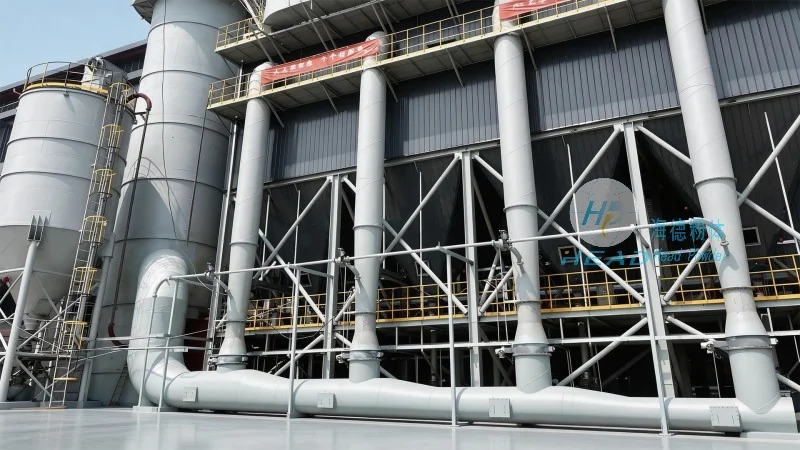
Understanding the Core Requirements for Metal Iron Powder Pneumatic Conveying
Before diving into the design process, it is essential to understand the specific requirements of the metal iron powder being handled. Factors such as particle size, moisture content, bulk density, and flow characteristics significantly influence the selection of conveying equipment and system configuration. For instance, fine iron powder may require higher air velocity and specialized ducting to prevent clogging, while larger particles might benefit from lower velocities and different nozzle designs. Additionally, the desired conveying distance, vertical or horizontal distance, and the required material throughput must be clearly defined to ensure the system meets operational demands.
Key Components of a Metal Iron Powder Pneumatic Conveying System
A typical metal iron powder pneumatic conveying system consists of several critical components, each playing a vital role in the overall functionality. The primary components include a material feeder, a blower or compressor, conveying ducts, a separation system, and a collection hopper. The material feeder, often a rotary valve or a metering pump, ensures a consistent and controlled flow of iron powder into the system. The blower or compressor provides the necessary air pressure to move the material through the ducts. Conveying ducts are designed to minimize pressure drop and prevent material deposition, with smooth internal surfaces and appropriate bends. The separation system, such as a cyclone or filter, separates the iron powder from the air stream, while the collection hopper stores the material for further processing. Each component must be selected based on the specific characteristics of the iron powder and the operational parameters of the system.
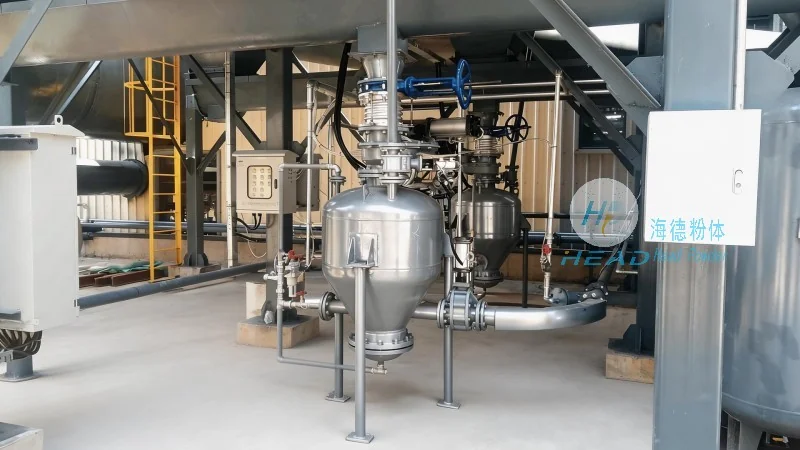
Design Considerations for System Efficiency and Reliability
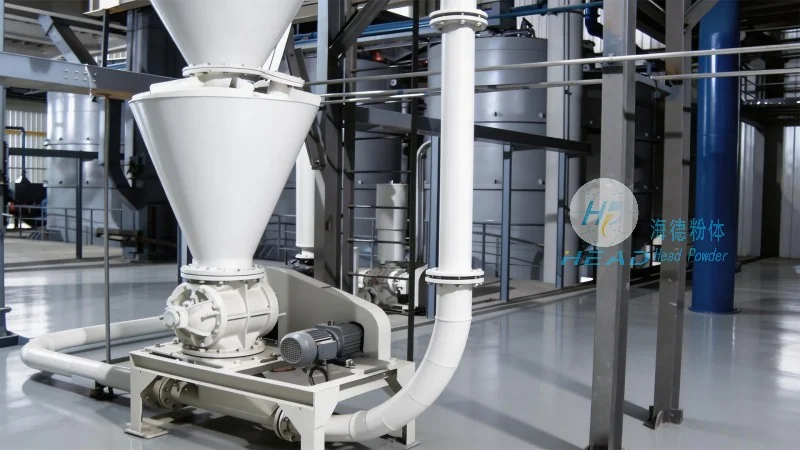
Efficiency and reliability are paramount when designing a metal iron powder pneumatic conveying system. The system must be designed to minimize energy consumption while ensuring consistent material transport. This involves optimizing the air velocity, duct diameter, and length to achieve the desired throughput with minimal pressure loss. For example, using larger duct diameters can reduce pressure drop, but may increase initial costs and space requirements. Conversely, smaller ducts may be more cost-effective but could lead to higher energy consumption and increased risk of clogging. The selection of the blower or compressor is also critical, as it must provide sufficient pressure and volume to handle the material flow without excessive wear and tear. Regular maintenance and monitoring of the system components are essential to ensure long-term reliability and prevent unexpected failures.
Integration of Advanced Technologies for Optimal Performance
Modern metal iron powder pneumatic conveying systems often incorporate advanced technologies to enhance performance and reduce operational issues. For instance, variable frequency drives (VFDs) can be used to adjust the blower speed, allowing for precise control of air volume and pressure. This not only improves energy efficiency but also enables the system to adapt to varying material flow rates. Additionally, sensors and monitoring systems can be integrated to track key parameters such as pressure, temperature, and material flow, providing real-time data for process optimization and predictive maintenance. These technologies help in identifying potential issues before they lead to system downtime, thereby improving overall operational efficiency and reducing maintenance costs.
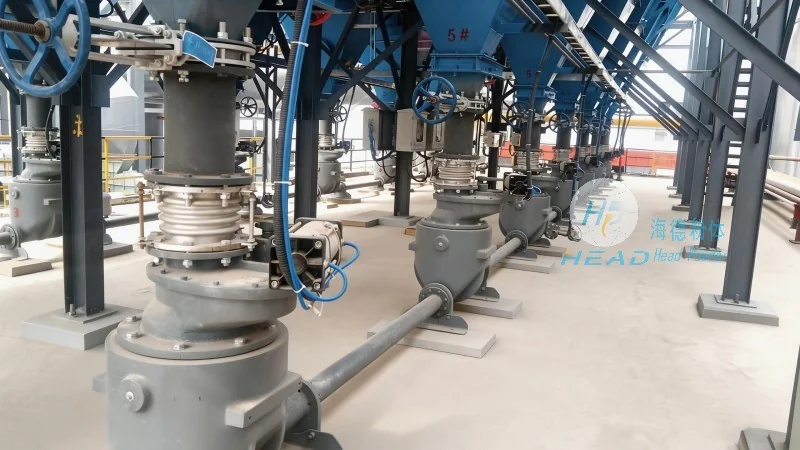
Case Study: Successful Implementation by Shandong HeadPowder Engineering Co., Ltd.
Shandong HeadPowder Engineering Co., Ltd., a leading provider of pneumatic conveying solutions, has successfully implemented numerous metal iron powder pneumatic conveying systems for various industrial applications. The company's expertise lies in understanding the unique challenges of handling iron powder and designing customized solutions that meet specific operational requirements. For example, a client in the steel industry required a system to transport fine iron powder over a long horizontal distance with minimal clogging. HeadPowder engineers designed a system with a high-efficiency rotary valve feeder, a high-pressure blower, and specially designed ducts with anti-clogging features. The system was able to achieve the desired throughput with low energy consumption and high reliability, resulting in significant cost savings and improved production efficiency for the client. This case study highlights the importance of tailored design and expert engineering in achieving optimal performance in metal iron powder pneumatic conveying systems.
Conclusion: The Importance of Professional Design and Implementation
In conclusion, designing a reasonable metal iron powder pneumatic conveying system requires a thorough understanding of the material characteristics, operational requirements, and available technologies. By carefully considering each component and optimizing the system design, industries can achieve efficient, reliable, and cost-effective material handling solutions. The expertise of companies like Shandong HeadPowder Engineering Co., Ltd. is invaluable in ensuring that these systems are designed and implemented correctly, leading to improved productivity and reduced operational costs. As the demand for efficient material handling continues to grow, investing in a well-designed metal iron powder pneumatic conveying system remains a strategic decision for any industry dealing with iron powder.

 Công ty TNHH Kỹ thuật Công trình Bột Hải Đức Sơn Đông
 156-6277-7102(Quản lý Trương)
  0531-83386006
  Quận Chương Khâu, Thành phố Tế Nam, Tỉnh Sơn Đông, Trung Quốc
Điện thoại
WeChatTư vấn
Lên đầu