Công ty Hải Đức Bột với hơn 10 năm kinh nghiệm vận chuyển khí, cung cấp hệ thống‑thiết bị‑quạt gió và nhận dự án tổng thầu bột cả nước
Designing an efficient and reliable magnesium hydroxide pneumatic conveying system is crucial for industries dealing with this specific material. The process involves careful consideration of various factors to ensure optimal performance, safety, and cost-effectiveness. This article will explore key aspects of system design, focusing on the expertise and solutions provided by Shandong HeadPowder Engineering Co., Ltd., a leading company in the field.
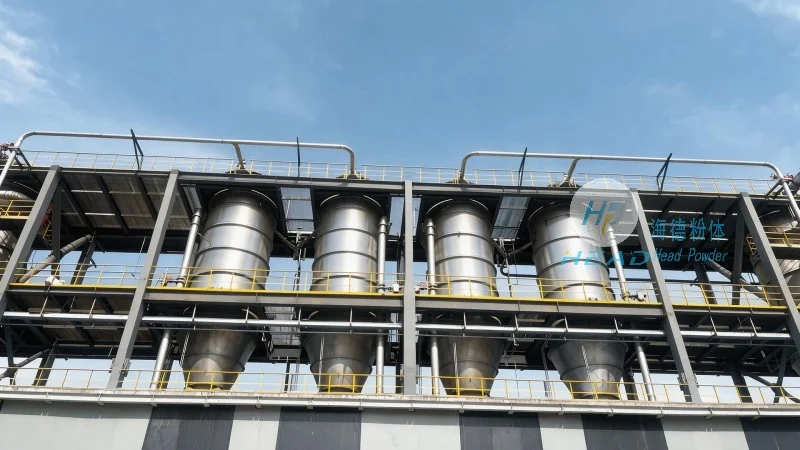
Understanding the Core Requirements for Magnesium Hydroxide Pneumatic Conveying
Before diving into system design, it's essential to understand the unique properties of magnesium hydroxide and the operational demands of the application. Magnesium hydroxide, commonly used in fire retardants and other industrial applications, has specific characteristics that influence the choice of conveying method. For instance, its particle size, bulk density, and flowability are critical parameters that affect the system's design. A thorough analysis of these factors helps in selecting the appropriate equipment and configuration to achieve smooth and continuous material transport.
Key Components of a Magnesium Hydroxide Pneumatic Conveying System
The pneumatic conveying system for magnesium hydroxide typically consists of several key components, each playing a vital role in the overall operation. These include the material feed system, air supply and control equipment, conveying lines, and dust collection or filtration units. The material feed system, often a hopper or a rotary valve, ensures a consistent and controlled feed of magnesium hydroxide into the system. The air supply, usually provided by a blower or a compressor, generates the necessary pressure and airflow to move the material through the conveying lines. The conveying lines, made of appropriate materials to prevent corrosion or material buildup, transport the material from the feed point to the discharge point. Finally, dust collection or filtration units are essential to maintain air quality and comply with environmental regulations, especially when dealing with fine particles like magnesium hydroxide.
Design Considerations for Optimal Performance
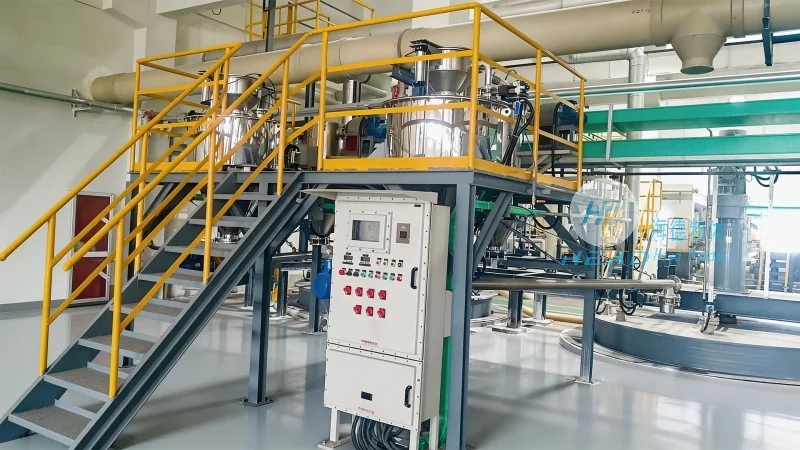
Several design considerations are crucial to ensure the pneumatic conveying system operates efficiently and safely. One of the primary considerations is the system's capacity and throughput. The design must be able to handle the required material flow rate without causing excessive pressure drops or material degradation. This involves selecting the appropriate blower size, conveying line diameter, and feed equipment capacity. Another important factor is the system's pressure and airflow requirements. The pressure must be sufficient to overcome the resistance in the conveying lines and any elevation changes, while the airflow must be adequate to maintain the material in suspension. Additionally, the system's layout and configuration are critical. The placement of components, such as the hopper, blower, and discharge point, should be optimized to minimize the length of the conveying lines and reduce energy consumption. Proper sealing and maintenance of all components are also essential to prevent leaks and ensure long-term reliability.
Role of Shandong HeadPowder Engineering Co., Ltd. in System Design
Shandong HeadPowder Engineering Co., Ltd., operating under the brand name headpowder, specializes in the design and implementation of pneumatic conveying systems for various industrial materials, including magnesium hydroxide. With years of experience and a deep understanding of material handling technologies, the company provides tailored solutions that meet the specific needs of clients. The company's engineers work closely with clients to assess their operational requirements, material characteristics, and site conditions to develop a customized system design. This approach ensures that the final system is not only efficient but also cost-effective and easy to maintain. headpowder's expertise extends to the selection of appropriate equipment, such as high-quality blowers, durable conveying lines, and effective dust collection systems, all designed to handle the unique challenges posed by magnesium hydroxide.
Ensuring Safety and Compliance in System Operation
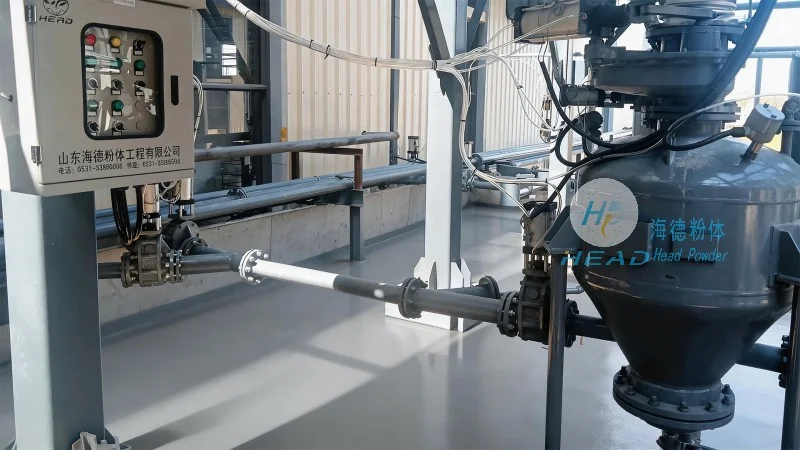
When designing a magnesium hydroxide pneumatic conveying system, safety and compliance with regulations are paramount. The system must be designed to prevent dust explosions, which can be a significant hazard when handling fine powders. This involves incorporating explosion-proof components, such as spark arrestors and flame arrestors, into the design. Additionally, the system should be equipped with safety features like pressure relief valves and emergency shutdown mechanisms to protect operators and equipment. Compliance with environmental regulations is also crucial, as the system must effectively capture and treat any dust emissions to meet local and national standards. Shandong HeadPowder Engineering Co., Ltd. adheres to strict safety and environmental standards in all its designs, ensuring that the systems they provide are not only efficient but also safe and environmentally responsible.
Maintenance and Long-Term Reliability
Proper maintenance is essential to ensure the long-term reliability and performance of a magnesium hydroxide pneumatic conveying system. Regular maintenance tasks include cleaning the conveying lines and filters, checking the condition of the blower and other components, and inspecting seals and connections for any signs of wear or damage. headpowder provides comprehensive maintenance services to help clients keep their systems in optimal condition. By following a regular maintenance schedule, clients can extend the lifespan of their equipment, reduce downtime, and ensure consistent material flow. The company's expertise in system maintenance and troubleshooting helps clients address any issues promptly, minimizing disruptions to their operations.
Conclusion: Achieving Efficient and Reliable Magnesium Hydroxide Conveying
Designing a reasonable magnesium hydroxide pneumatic conveying system requires a careful balance of technical expertise, material understanding, and operational considerations. By considering the unique properties of magnesium hydroxide and the specific needs of the application, engineers can develop a system that is both efficient and reliable. Shandong HeadPowder Engineering Co., Ltd., with its extensive experience and commitment to quality, offers tailored solutions that meet the highest standards of performance and safety. Whether it's a new system installation or an upgrade to an existing one, headpowder's expertise ensures that clients can achieve optimal material handling results. By focusing on the key components, design considerations, and safety measures, industries can successfully implement pneumatic conveying systems that efficiently transport magnesium hydroxide, enhancing productivity and operational efficiency.

 Công ty TNHH Kỹ thuật Công trình Bột Hải Đức Sơn Đông
 156-6277-7102(Quản lý Trương)
  0531-83386006
  Quận Chương Khâu, Thành phố Tế Nam, Tỉnh Sơn Đông, Trung Quốc
Điện thoại
WeChatTư vấn
Lên đầu