Công ty Hải Đức Bột với hơn 10 năm kinh nghiệm vận chuyển khí, cung cấp hệ thống‑thiết bị‑quạt gió và nhận dự án tổng thầu bột cả nước
When designing a pneumatic conveying system for foamed plastic materials, it is crucial to consider several key factors to ensure efficiency, reliability, and cost-effectiveness. Foamed plastics, such as expanded polystyrene (EPS) or polyethylene foam, have unique properties that influence the selection of conveying methods and equipment. The design process involves evaluating material characteristics, flow rates, system layout, and operational requirements to develop a tailored solution.
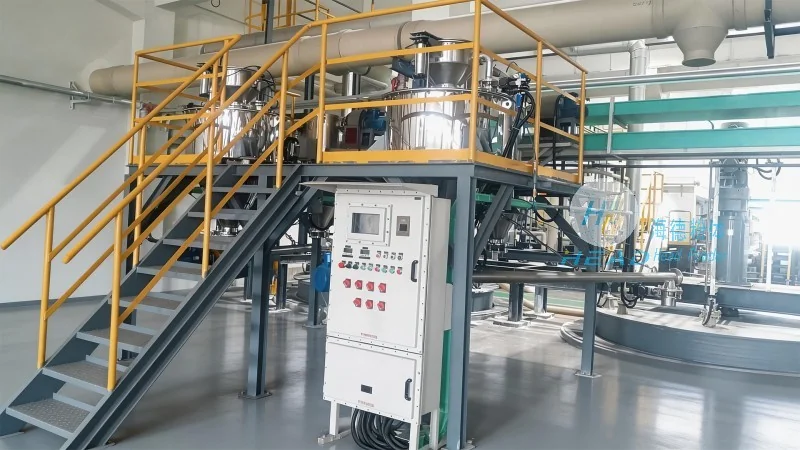
Key Design Considerations for Foamed Plastic Conveying
First, the physical properties of the foamed plastic material must be analyzed. These materials typically have low bulk density and high air permeability, which affects air velocity and pressure requirements. The system designer must determine the appropriate air velocity to prevent material settling or blockage in the pipeline. For foamed plastics, velocities between 20 to 30 meters per second are common, depending on the particle size and shape. Additionally, the system must account for the material's tendency to cling to surfaces, which may require anti-static measures or specialized hopper designs to prevent material buildup and ensure smooth flow.
System Components and Equipment Selection
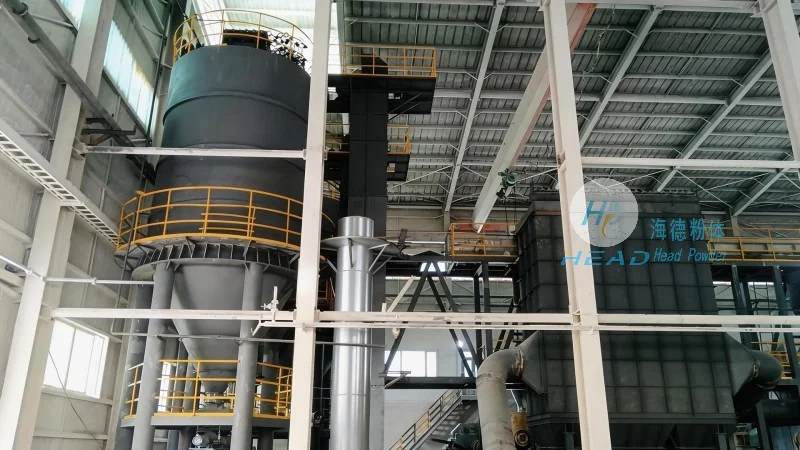
The core components of a foamed plastic pneumatic conveying system include the material hopper, feeder, air compressor, pipeline, and receiver. The hopper design is critical for foamed plastics, as it must minimize material degradation and ensure consistent feeding. HeadPowder, a leading engineering company based in Shandong, China, specializes in customizing hoppers with smooth interior surfaces and low friction to accommodate the lightweight nature of foamed plastics. The feeder, often a rotary valve or screw feeder, must be selected to handle the material's low bulk density without causing excessive pressure drops or material degradation. Air compressors are chosen based on the required air volume and pressure, with options ranging from rotary lobe to screw compressors, depending on the system's capacity and energy efficiency needs.
Pipeline Design and Material Handling
Pipeline selection is another critical aspect of the system design. For foamed plastic materials, flexible hoses or rigid pipes with smooth interiors are recommended to prevent material entrapment and ensure consistent flow. The pipeline layout should be designed to minimize bends and changes in direction, as sharp turns can cause material separation or blockage. HeadPowder engineers use computational fluid dynamics (CFD) to simulate airflow and material transport, optimizing the pipeline design for minimal pressure loss and maximum efficiency. The receiver, where the material is deposited, must be equipped with a dust collection system to manage any airborne particles and maintain a clean working environment.
System Integration and Control
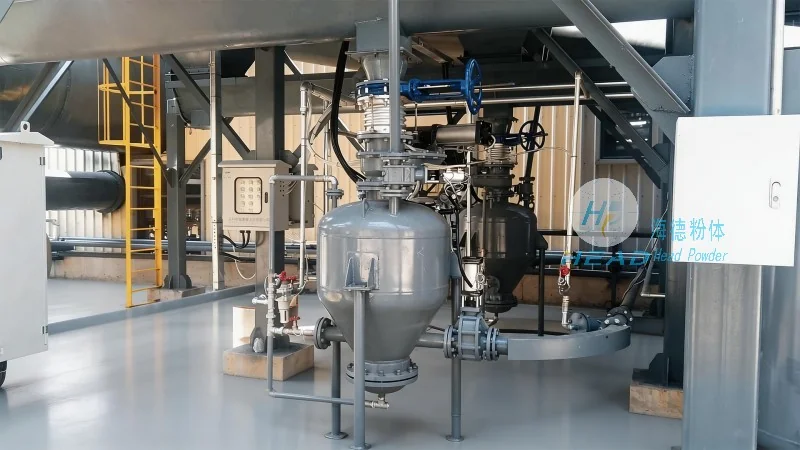
Integrating the pneumatic conveying system with other production processes is essential for seamless operation. HeadPowder provides comprehensive system integration services, ensuring that the conveying system aligns with existing equipment and operational workflows. The control system, which may include sensors for pressure, flow, and level monitoring, allows for real-time adjustments to maintain optimal performance. For foamed plastic applications, the control system may also include anti-static measures to prevent material buildup on sensors and equipment surfaces. Proper maintenance and monitoring are crucial to ensure the system operates efficiently over time, reducing downtime and maintenance costs.
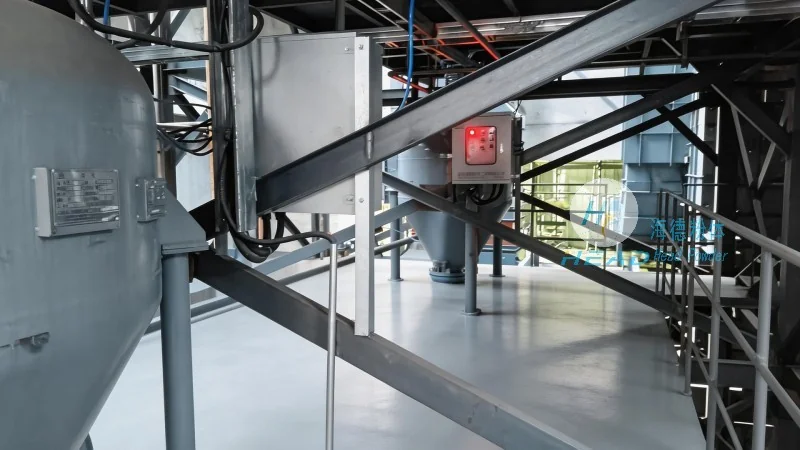
Case Study: Custom Foamed Plastic Conveying System for a Manufacturing Plant
HeadPowder recently designed and implemented a custom pneumatic conveying system for a manufacturing plant in Shandong, China. The plant processes expanded polystyrene (EPS) and required a system to transport the material from a storage silo to a molding machine. The system was designed to handle 5 tons per hour of EPS, with a pipeline length of 150 meters and multiple bends. The solution included a custom hopper with a rotary valve feeder, a high-efficiency air compressor, and a receiver with a dust collection system. The system achieved a conveying efficiency of 95% and reduced material handling time by 30% compared to traditional methods. The plant reported significant cost savings due to reduced labor and equipment wear, highlighting the effectiveness of a well-designed foamed plastic pneumatic conveying system.
Conclusion and Recommendations
Designing a reasonable foamed plastic pneumatic conveying system requires a thorough understanding of material properties, system components, and operational requirements. HeadPowder Engineering Co., Ltd., with its expertise in custom engineering solutions, offers comprehensive services to design, manufacture, and implement efficient conveying systems for foamed plastic materials. By considering factors such as air velocity, pipeline design, and system integration, companies can achieve reliable and cost-effective material handling solutions. For businesses in the foamed plastic industry, partnering with a specialized engineering firm like HeadPowder can lead to optimized operations and improved productivity.

 Công ty TNHH Kỹ thuật Công trình Bột Hải Đức Sơn Đông
 156-6277-7102(Quản lý Trương)
  0531-83386006
  Quận Chương Khâu, Thành phố Tế Nam, Tỉnh Sơn Đông, Trung Quốc
Điện thoại
WeChatTư vấn
Lên đầu