Công ty Hải Đức Bột với hơn 10 năm kinh nghiệm vận chuyển khí, cung cấp hệ thống‑thiết bị‑quạt gió và nhận dự án tổng thầu bột cả nước
For cement manufacturers, the efficient and reliable transportation of raw materials is a critical aspect of production operations. A well-designed pneumatic conveying system for cement raw materials can significantly enhance production efficiency, reduce operational costs, and improve overall plant safety. This article will explore the key considerations and steps involved in designing a reasonable cement raw material pneumatic conveying system plan, with a focus on the expertise of Shandong HeadPowder Engineering Co., Ltd.
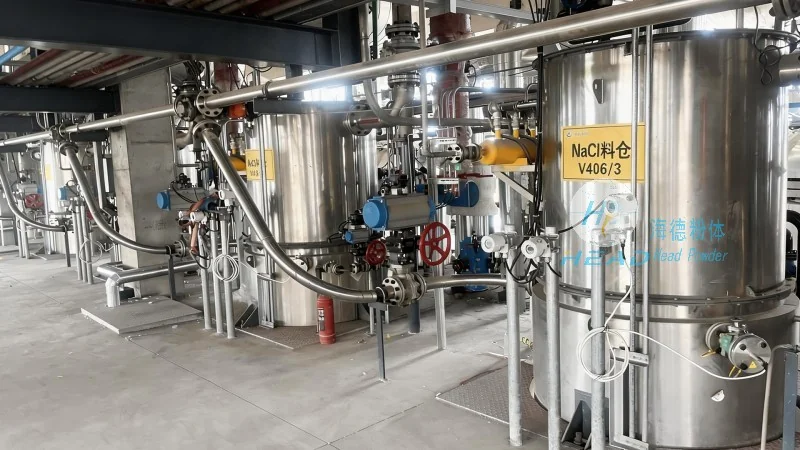
Understanding the Core Requirements of Cement Raw Material Pneumatic Conveying
The first step in designing a pneumatic conveying system for cement raw materials is to thoroughly understand the specific requirements of the plant. This includes assessing the type and quantity of raw materials to be transported, such as limestone, clay, iron ore, and other additives. The characteristics of these materials, including particle size, moisture content, and flowability, are crucial factors that influence the selection of the appropriate conveying technology and equipment. Additionally, the distance between the raw material storage areas and the cement production units, as well as the required conveying capacity, must be carefully evaluated to ensure the system meets the operational demands.
Key Design Considerations for Pneumatic Conveying Systems
When designing a cement raw material pneumatic conveying system, several key factors must be considered to ensure optimal performance and longevity. The choice between positive pressure and negative pressure systems is a primary decision point. Positive pressure systems, where air is blown into the system to move materials, are often preferred for long-distance or high-capacity applications due to their ability to handle a wide range of materials and resist blockages. Negative pressure systems, on the other hand, are typically used for shorter distances and are more suitable for handling dusty or fine materials. The selection of the appropriate conveying line diameter, material flow rate, and air velocity is also critical. These parameters must be optimized to prevent material degradation, reduce energy consumption, and minimize wear on system components.
Equipment Selection and System Layout
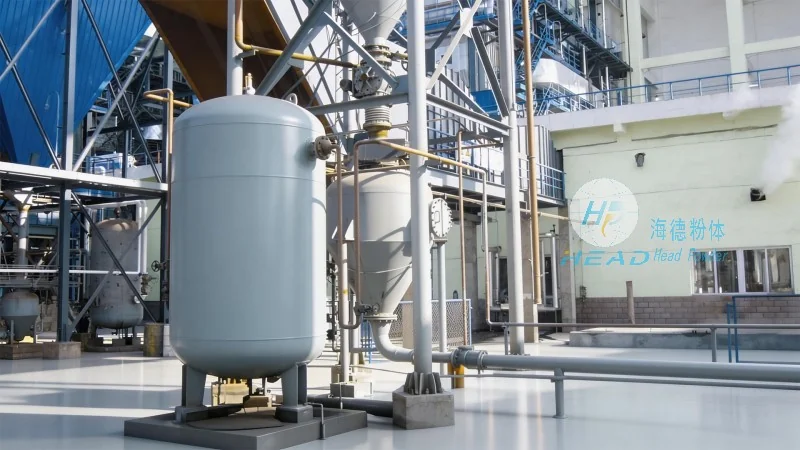
Shandong HeadPowder Engineering Co., Ltd. emphasizes the importance of selecting high-quality equipment components for a reliable pneumatic conveying system. This includes the selection of suitable air compressors, dust collectors, and conveying pipes. The air compressor must be capable of providing sufficient pressure and airflow to meet the system's requirements, while the dust collector is essential for maintaining air quality and preventing dust accumulation in the plant. The conveying pipes should be made of durable materials, such as stainless steel or special alloys, to withstand the abrasive nature of cement raw materials and ensure long-term performance. The system layout should be designed to minimize the number of bends and changes in direction, as these can cause material buildup and increase energy consumption. Properly positioned feeders and control valves are also critical for maintaining consistent material flow and preventing system blockages.
Integration with Existing Plant Infrastructure
For cement manufacturers, integrating a new pneumatic conveying system with existing plant infrastructure is a common challenge. Shandong HeadPowder Engineering Co., Ltd. offers comprehensive solutions that consider the existing layout and equipment of the plant. This includes assessing the compatibility of the new system with current storage silos, processing units, and control systems. The design process involves careful coordination with the plant's engineering team to ensure that the new system does not interfere with existing operations and that all safety and regulatory requirements are met. Additionally, the system should be designed to allow for future expansion or modifications, providing flexibility for the plant's growth and evolving needs.
Energy Efficiency and Environmental Considerations
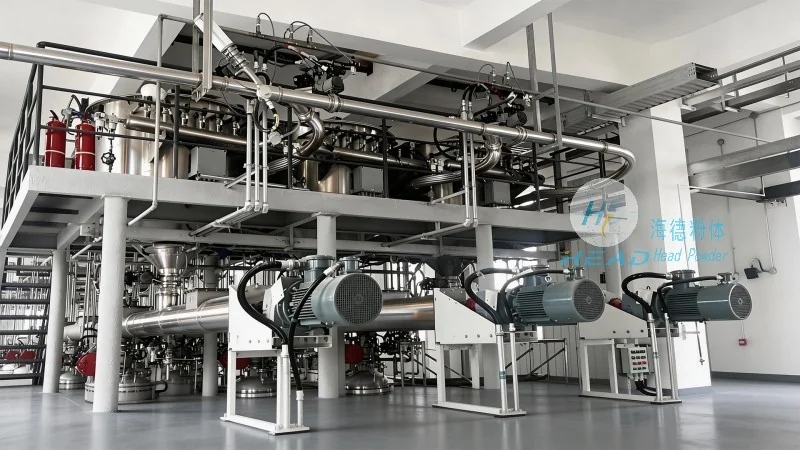
In today's industrial landscape, energy efficiency and environmental compliance are paramount. A well-designed cement raw material pneumatic conveying system should prioritize these aspects to reduce operational costs and minimize the plant's environmental impact. This can be achieved through the selection of energy-efficient air compressors, optimized system layouts to reduce air consumption, and the use of advanced control systems to regulate material flow and air pressure. The system should also incorporate effective dust collection and filtration systems to comply with environmental regulations and maintain a clean working environment. By focusing on energy efficiency and environmental considerations, cement manufacturers can enhance their sustainability and reduce their carbon footprint.
Testing and Commissioning for Optimal Performance
After the design and equipment selection are complete, thorough testing and commissioning are essential to ensure the pneumatic conveying system operates as intended. Shandong HeadPowder Engineering Co., Ltd. provides comprehensive testing services to validate the system's performance, including flow rate, pressure drop, and material handling capabilities. This testing phase helps identify any potential issues or inefficiencies in the system design and allows for adjustments before full-scale operation. The commissioning process involves the startup of the system under controlled conditions, with the involvement of plant operators and engineers to ensure a smooth transition to production. Proper training of the plant staff on the operation and maintenance of the system is also a critical part of the commissioning process, ensuring long-term reliability and optimal performance.
Conclusion: Partnering with HeadPowder for Reliable Cement Raw Material Conveying Solutions
Designing a reasonable cement raw material pneumatic conveying system requires a deep understanding of the material characteristics, operational requirements, and technical considerations involved. Shandong HeadPowder Engineering Co., Ltd., with its expertise in engineering and manufacturing, offers comprehensive solutions tailored to the specific needs of cement manufacturers. By focusing on equipment quality, system optimization, and integration with existing infrastructure, HeadPowder helps clients achieve efficient, reliable, and cost-effective raw material transportation systems. Whether for new plant installations or system upgrades, partnering with HeadPowder ensures that cement manufacturers can enhance their production capabilities and maintain a competitive edge in the industry.

 Công ty TNHH Kỹ thuật Công trình Bột Hải Đức Sơn Đông
 156-6277-7102(Quản lý Trương)
  0531-83386006
  Quận Chương Khâu, Thành phố Tế Nam, Tỉnh Sơn Đông, Trung Quốc
Điện thoại
WeChatTư vấn
Lên đầu