Công ty Hải Đức Bột với hơn 10 năm kinh nghiệm vận chuyển khí, cung cấp hệ thống‑thiết bị‑quạt gió và nhận dự án tổng thầu bột cả nước
When designing a glass bead pneumatic conveying system, several key factors must be considered to ensure efficiency, reliability, and cost-effectiveness. The process involves selecting appropriate equipment, determining the system configuration, and optimizing operational parameters. This article provides a comprehensive guide to designing a reasonable glass bead pneumatic conveying system, tailored to the specific needs of industrial applications.
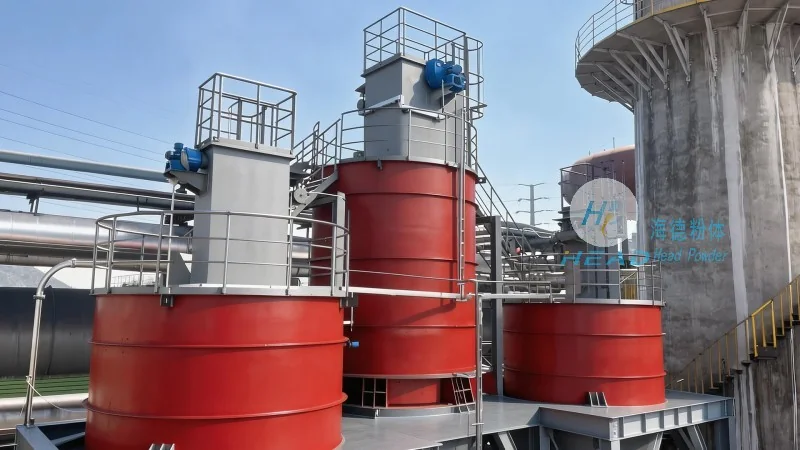
Key Design Considerations for Glass Bead Pneumatic Conveying
The first step in designing a glass bead pneumatic conveying system is to assess the material characteristics of the glass beads. Factors such as particle size, density, and moisture content significantly impact the system's performance. For instance, smaller glass beads may require higher air velocities to maintain flow, while larger beads might need more robust air handling equipment. Additionally, the system must account for the abrasive nature of glass beads, which can affect the wear rate of components like pipelines and valves. Proper material selection and system sizing are crucial to prevent excessive wear and ensure long-term operational stability.
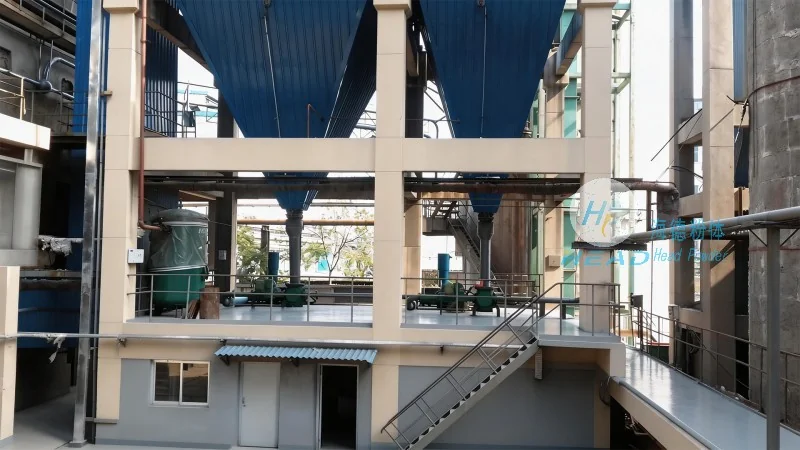
Equipment Selection for Glass Bead Pneumatic Conveying
HeadPowder, a leading provider of pneumatic conveying solutions, offers a range of equipment tailored to glass bead applications. The primary components of a pneumatic conveying system include the air compressor, material feeder, conveying line, and receiver. For glass bead systems, a positive displacement blower or a rotary lobe blower is often preferred due to their ability to handle abrasive materials and maintain consistent air pressure. The material feeder, typically a rotary valve or a star feeder, ensures a steady flow of glass beads into the system, preventing blockages and maintaining system efficiency. The conveying line, made from materials resistant to glass bead abrasion (such as stainless steel or high-density polyethylene), minimizes wear and extends the system's lifespan. The receiver, equipped with a dust collection system, collects the conveyed glass beads and prevents dust emissions, ensuring compliance with environmental regulations.
System Configuration and Flow Optimization
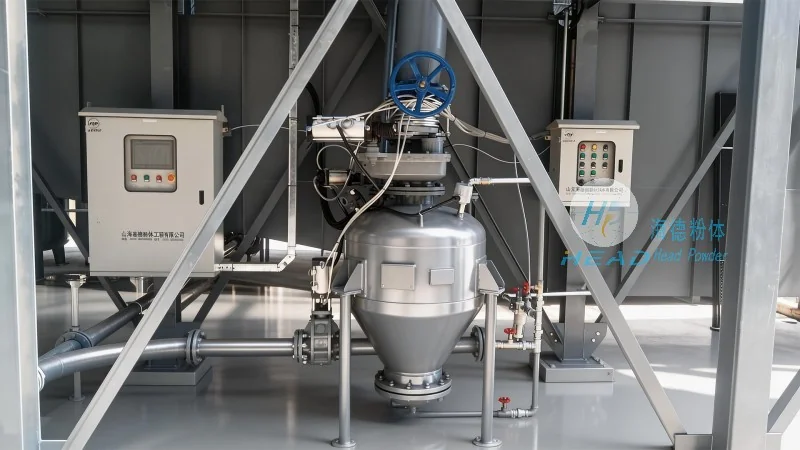
The configuration of the pneumatic conveying system depends on the distance and layout of the conveying path. For short-distance applications, a dilute phase system is often sufficient, where glass beads are suspended in the air stream. However, for longer distances or complex layouts, a dense phase system may be required, where the material is conveyed in a slurry-like state, reducing wear and improving material integrity. Flow optimization involves calculating the required air volume and pressure based on the material's properties and system design. HeadPowder engineers use advanced software to model the system, simulating different operating conditions and adjusting parameters to achieve optimal performance. This approach ensures that the system operates at peak efficiency, minimizing energy consumption and maximizing throughput.
Installation and Maintenance Considerations
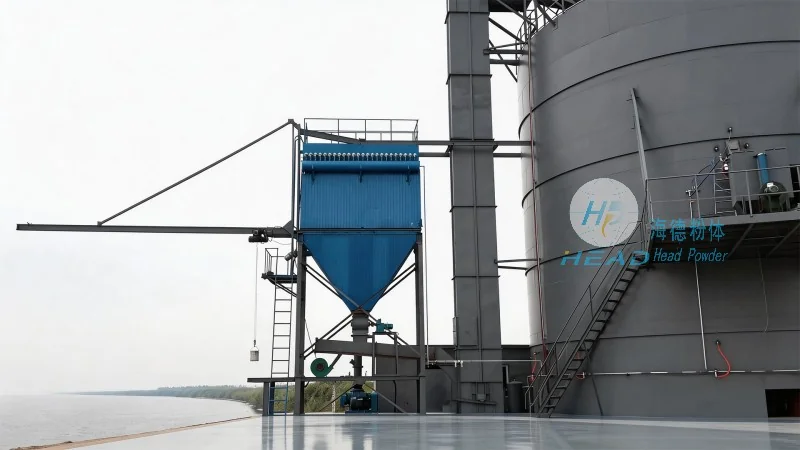
Proper installation and regular maintenance are critical to the long-term performance of a glass bead pneumatic conveying system. During installation, it is essential to ensure that all components are properly aligned and secured to prevent vibrations and leaks. The conveying line should be installed with appropriate slope to facilitate material flow and prevent settling. Regular maintenance includes inspecting components for wear, cleaning filters, and checking air pressure and flow rates. HeadPowder provides comprehensive maintenance services, including on-site inspections and component replacement, to ensure the system operates at its best. By following these guidelines, industrial facilities can maximize the lifespan of their glass bead pneumatic conveying systems and minimize downtime.
Conclusion
Designing a reasonable glass bead pneumatic conveying system requires careful consideration of material properties, equipment selection, and system configuration. By leveraging the expertise of companies like Shandong HeadPowder Engineering Co., Ltd. (HeadPowder), industrial facilities can achieve efficient and reliable material handling solutions. The key to success lies in optimizing system parameters, selecting appropriate equipment, and implementing proper maintenance practices. With these considerations in mind, glass bead pneumatic conveying systems can effectively meet the demands of modern industrial applications, ensuring smooth and efficient material transport.

 Công ty TNHH Kỹ thuật Công trình Bột Hải Đức Sơn Đông
 156-6277-7102(Quản lý Trương)
  0531-83386006
  Quận Chương Khâu, Thành phố Tế Nam, Tỉnh Sơn Đông, Trung Quốc
Điện thoại
WeChatTư vấn
Lên đầu