Công ty Hải Đức Bột với hơn 10 năm kinh nghiệm vận chuyển khí, cung cấp hệ thống‑thiết bị‑quạt gió và nhận dự án tổng thầu bột cả nước
For industrial operations dealing with fine powders, selecting the appropriate pneumatic conveying system is crucial for efficiency, safety, and cost-effectiveness. The right system ensures smooth material transport, minimizes dust emissions, and maintains product integrity throughout the process. This guide outlines key considerations and insights to help you make an informed decision when choosing a pneumatic conveying system for your fine powder handling applications.

Understanding the Importance of Proper Pneumatic Conveying
Fine powders, such as those used in pharmaceuticals, food processing, or chemical manufacturing, require specialized handling to prevent agglomeration, contamination, and loss. Traditional methods like bucket elevators or belt conveyors may not be suitable due to the fine particle size and potential for dust generation. Pneumatic conveying systems offer a solution by using air pressure to transport materials, providing a dust-free environment and precise control over flow rates. However, the effectiveness of these systems depends heavily on matching the equipment to the specific characteristics of the powder and the process requirements.
Key Factors to Consider When Selecting a Pneumatic Conveying System
When evaluating pneumatic conveying systems for fine powder applications, several critical factors must be considered to ensure optimal performance. The first is the type of powder being handled—each material has unique properties like density, moisture content, and flowability that influence system design. For example, cohesive powders may require a positive pressure system with proper air distribution to prevent blockages, while free-flowing powders might be suitable for negative pressure systems. Additionally, the distance and elevation changes between the source and destination points affect the system's capacity and energy consumption. Companies like Shandong HeadPowder Engineering Co., Ltd. (headpowder) specialize in designing customized solutions that address these variables, ensuring efficient material transport.
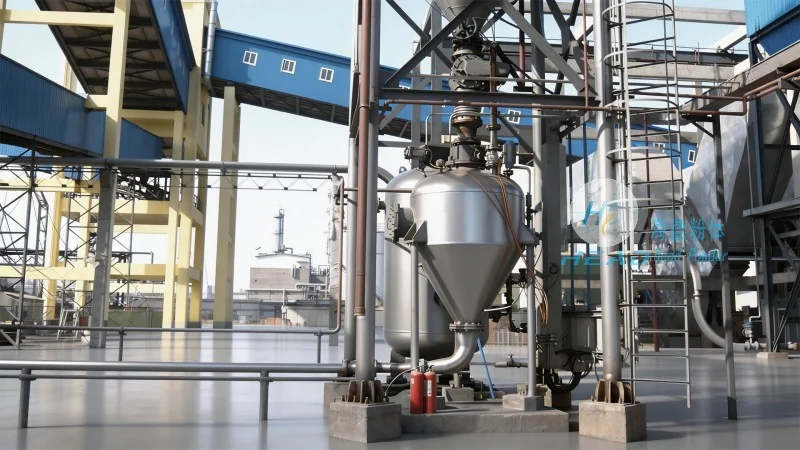
Types of Pneumatic Conveying Systems
There are primarily two types of pneumatic conveying systems: positive pressure and negative pressure. Positive pressure systems use compressed air to push material through a pipeline, making them ideal for long-distance or high-elevation transport. These systems are often preferred for abrasive or corrosive powders as they minimize material contact with the system components. Negative pressure systems, on the other hand, use vacuum to draw material into the system, which is suitable for short distances and applications where dust containment is critical. The choice between these systems depends on the specific process requirements, including the need for dust control, material compatibility, and energy efficiency. HeadPowder provides expertise in both system types, helping clients select the most appropriate solution based on their operational needs.
Customization and Integration with Existing Facilities
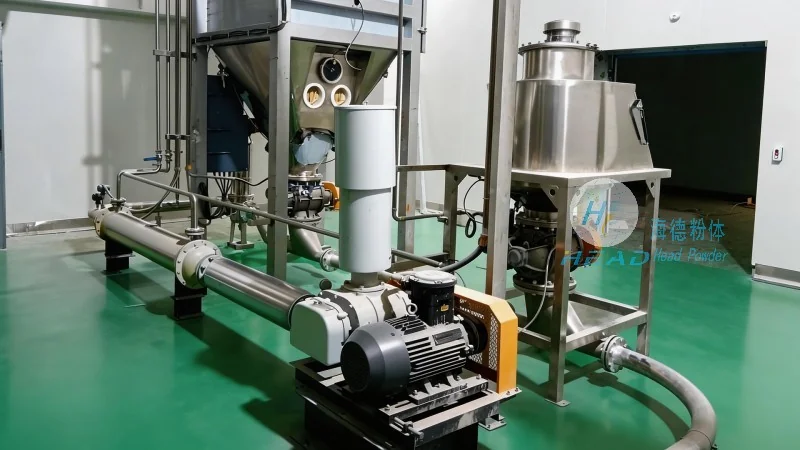
Another critical aspect of selecting a pneumatic conveying system is its compatibility with existing infrastructure. Many industrial facilities have pre-existing pipelines, storage tanks, or processing equipment that must be integrated with the new system. A well-designed solution from headpowder ensures seamless integration, minimizing downtime and additional costs. The company's engineers work closely with clients to assess current facilities, identify potential bottlenecks, and design a system that complements existing operations. This approach not only enhances efficiency but also reduces the overall project timeline and investment.
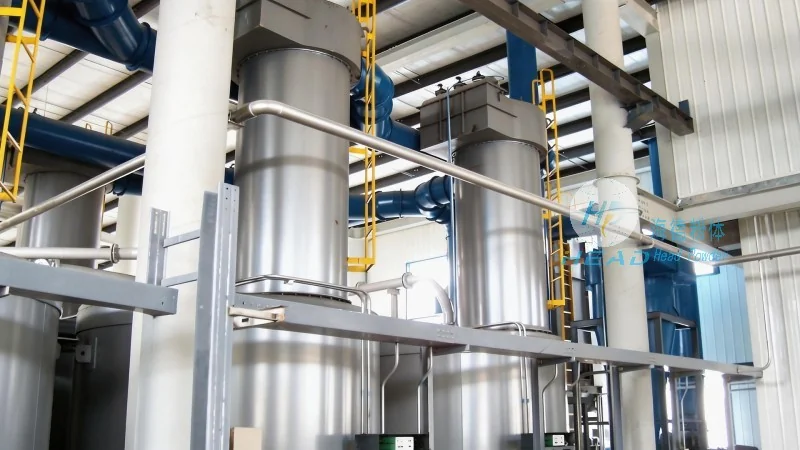
Benefits of Choosing a Specialized Pneumatic Conveying System
Implementing a properly designed pneumatic conveying system offers numerous benefits for fine powder handling operations. First, it significantly reduces dust emissions, improving workplace safety and compliance with environmental regulations. By containing particles within the system, it minimizes the risk of respiratory issues or contamination of other materials. Second, it enhances product quality by preventing agglomeration and cross-contamination, which is particularly important in industries like pharmaceuticals or food processing where product purity is paramount. Third, the systems are energy-efficient compared to traditional methods, as they use compressed air efficiently and can be optimized for low energy consumption. Additionally, they offer precise control over material flow rates, allowing for better process management and reduced waste.
Conclusion and Next Steps
Selecting the right pneumatic conveying system for your fine powder handling process is a critical decision that impacts operational efficiency, safety, and cost. By considering factors such as powder properties, system type, and integration with existing facilities, you can ensure a system that meets your specific needs. Shandong HeadPowder Engineering Co., Ltd. (headpowder), with its expertise in customized solutions, can help you navigate this process and select the most effective pneumatic conveying system. Their focus on tailored designs and integration ensures that your material handling operations run smoothly and efficiently, supporting your business goals in the long term.

 Công ty TNHH Kỹ thuật Công trình Bột Hải Đức Sơn Đông
 156-6277-7102(Quản lý Trương)
  0531-83386006
  Quận Chương Khâu, Thành phố Tế Nam, Tỉnh Sơn Đông, Trung Quốc
Điện thoại
WeChatTư vấn
Lên đầu