Công ty Hải Đức Bột với hơn 10 năm kinh nghiệm vận chuyển khí, cung cấp hệ thống‑thiết bị‑quạt gió và nhận dự án tổng thầu bột cả nước
When it comes to managing dust and powder materials in industrial processes, selecting the appropriate pneumatic conveying system is crucial for efficiency, safety, and cost-effectiveness. The right system can significantly improve material handling, reduce downtime, and enhance overall operational performance. This guide will help you understand the key factors to consider when choosing a pneumatic conveying system for your specific dust handling applications.
Understanding Pneumatic Conveying Systems
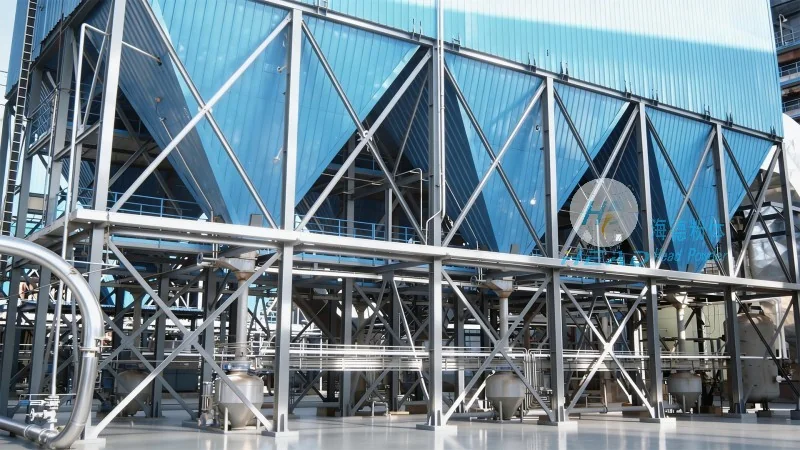
Pneumatic conveying systems use air or other gases to transport bulk materials like dust, powders, and granules from one location to another. These systems are widely used in various industries, including pharmaceuticals, food processing, chemicals, and manufacturing. The primary goal is to move materials in a controlled manner, minimizing product contamination and ensuring smooth operation. There are two main types of pneumatic conveying systems: pressure and vacuum. Pressure systems use compressed air to push material through a pipeline, while vacuum systems use suction to draw material into the system.
Key Factors to Consider in System Selection
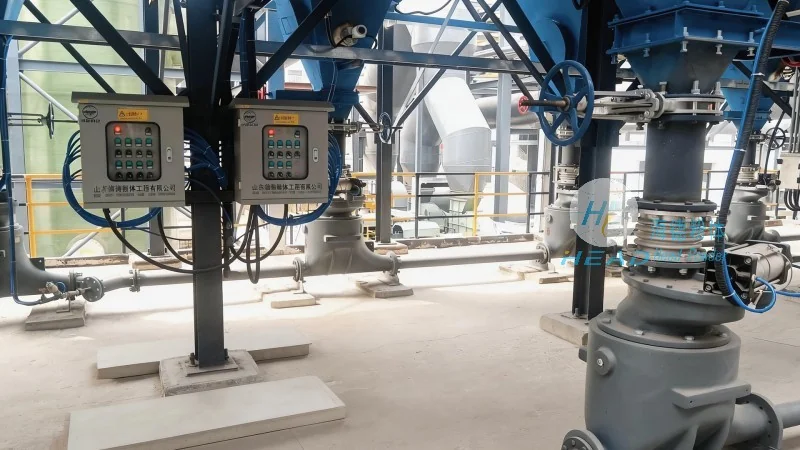
Choosing the right pneumatic conveying system involves evaluating several critical factors. First, consider the material characteristics, such as particle size, density, moisture content, and flowability. These properties directly impact the system's design and performance. For example, cohesive or sticky materials may require special equipment like rotary valves or airlocks to prevent blockages. Second, assess the distance and layout of the conveying route. The length and complexity of the pipeline will influence the system's capacity and energy consumption. Third, evaluate the required throughput and flow rate. High-volume applications may need larger diameter pipes and more powerful blowers, while low-volume needs can be handled with smaller systems.
System Components and Their Importance
All pneumatic conveying systems consist of several key components that work together to ensure efficient material transport. The main components include the material feed device, conveying line, air source (blower or compressor), and material discharge equipment. The material feed device, such as a rotary valve or screw feeder, controls the flow of material into the system, preventing overfilling and ensuring a consistent feed rate. The conveying line, typically made of stainless steel or plastic, must be durable and resistant to corrosion from the material being transported. The air source provides the necessary pressure or vacuum to move the material through the line. The blower or compressor must be sized appropriately to handle the system's requirements, including pressure drop and flow rate. The material discharge equipment, such as a rotary valve or airlock, regulates the release of material from the system, preventing backflow and maintaining system integrity.
Application-Specific Considerations
Different industries and applications have unique requirements that must be addressed when selecting a pneumatic conveying system. For example, in the pharmaceutical industry, systems must meet stringent hygiene standards, with components that are easy to clean and sterilize. This may involve using stainless steel, PTFE-lined pipes, and sanitary fittings. In the food processing industry, systems must be designed to prevent cross-contamination and ensure product safety. This includes using food-grade materials, such as stainless steel and polypropylene, and implementing proper cleaning procedures. In the chemical industry, systems must be resistant to corrosion and chemical exposure. This may require using special materials like Hastelloy or titanium for components that come into contact with aggressive chemicals. Additionally, in high-purity applications, such as electronics manufacturing, systems must be designed to minimize particle generation and maintain a clean environment. This may involve using low-particle generation materials and implementing filtration systems to remove any contaminants.
Energy Efficiency and Maintenance
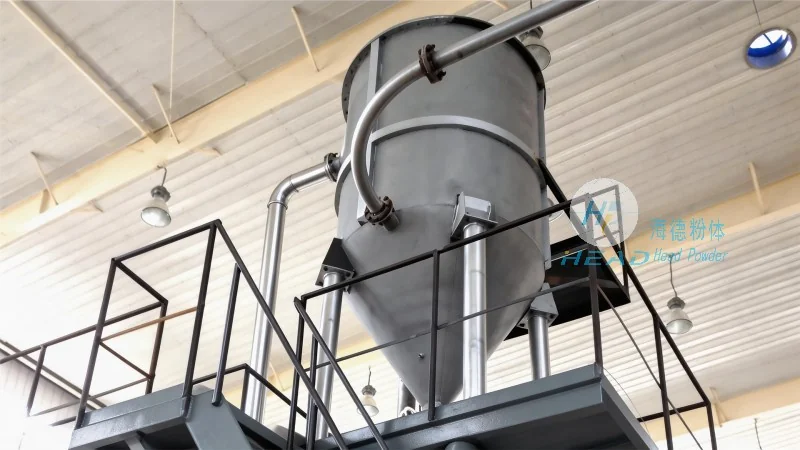
Energy efficiency is a critical consideration when selecting a pneumatic conveying system, as it directly impacts operational costs. Modern systems often use energy-efficient blowers and compressors, which can reduce energy consumption by up to 30% compared to older models. Additionally, proper system design, such as using the correct pipe diameter and minimizing bends and fittings, can reduce pressure drop and energy usage. Maintenance is another important factor to consider, as regular maintenance can extend the system's lifespan and prevent costly breakdowns. Key maintenance tasks include checking blower performance, cleaning filters, and inspecting components for wear and tear. Regular maintenance can also help identify potential issues before they become major problems, reducing downtime and improving overall system reliability.
Conclusion
Selecting the right pneumatic conveying system for your dust handling process requires careful consideration of material characteristics, application requirements, and operational needs. By evaluating these factors and working with a reputable supplier like Shandong HeadPowder Engineering Co., Ltd., you can ensure that your system meets your specific needs and delivers optimal performance. With the right system in place, you can improve material handling efficiency, reduce costs, and enhance overall operational safety. Shandong HeadPowder Engineering Co., Ltd. specializes in providing customized pneumatic conveying solutions tailored to your unique requirements, ensuring that you get the most out of your investment.

 Công ty TNHH Kỹ thuật Công trình Bột Hải Đức Sơn Đông
 156-6277-7102(Quản lý Trương)
  0531-83386006
  Quận Chương Khâu, Thành phố Tế Nam, Tỉnh Sơn Đông, Trung Quốc
Điện thoại
WeChatTư vấn
Lên đầu