Công ty Hải Đức Bột với hơn 10 năm kinh nghiệm vận chuyển khí, cung cấp hệ thống‑thiết bị‑quạt gió và nhận dự án tổng thầu bột cả nước
Resin pellet conveying is a critical process in the manufacturing and processing industries, where efficient and reliable transportation of resin pellets from one location to another is essential for maintaining production efficiency and product quality. The choice of conveying method can significantly impact operational costs, equipment maintenance, and overall system performance. In this article, we will explore various resin pellet conveying methods and introduce HeadPowder's advanced pneumatic conveying solutions, which have become a preferred choice for many industries due to their efficiency and versatility.
Understanding Resin Pellet Conveying Methods
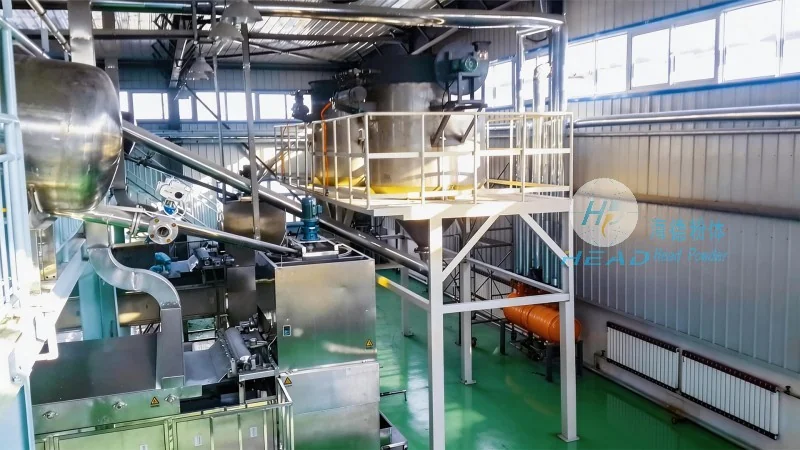
Resin pellets are small, solid particles used in a wide range of applications, including plastics, coatings, and composites. The primary goal of conveying these pellets is to move them from a storage or processing point to a manufacturing or processing unit. Traditional methods such as belt conveyors, screw conveyors, and bucket elevators have been widely used, but they often face challenges like material degradation, high maintenance costs, and limited flexibility. These limitations have led to the development of more advanced conveying technologies, with pneumatic conveying emerging as a leading solution for resin pellet transport.
HeadPowder's Pneumatic Conveying Solutions
Shandong HeadPowder Engineering Co., Ltd., a leading manufacturer based in China, specializes in providing innovative and efficient pneumatic conveying systems for resin pellets. The company, commonly known as HeadPowder, has developed a range of solutions tailored to meet the specific needs of different industries, including plastics, chemicals, and food processing. HeadPowder's pneumatic conveying systems are designed to handle various types of resin pellets, including polyethylene, polypropylene, and other thermoplastic materials, ensuring consistent and reliable transport.
How Pneumatic Conveying Works
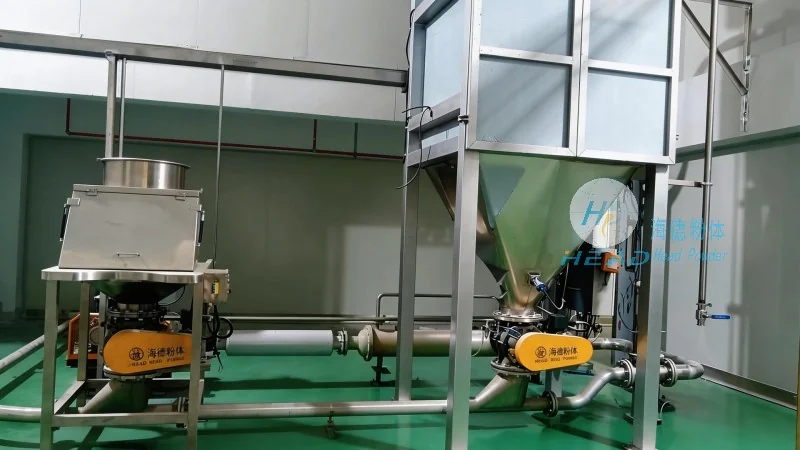
At its core, pneumatic conveying uses air or gas to transport solid materials through a pipeline. The system typically consists of a hopper, a feeder, a conveying line, and a receiver. The resin pellets are fed into the hopper, and a fan or blower creates a flow of air that lifts and moves the pellets through the pipeline to the destination. There are two main types of pneumatic conveying: pressure and vacuum systems. Pressure systems use compressed air to push the material forward, while vacuum systems use a vacuum to pull the material through the line. HeadPowder's systems often combine both approaches to achieve optimal performance and efficiency.
Advantages of HeadPowder's Pneumatic Conveying
HeadPowder's pneumatic conveying solutions offer several advantages over traditional methods. First, they provide a closed system, which helps to prevent dust and contamination, ensuring that the resin pellets remain clean and free from moisture or other contaminants. This is particularly important for applications where product quality is critical. Second, the systems are highly flexible, allowing for easy integration into existing production lines and the ability to transport materials over long distances without the need for multiple transfer points. Third, pneumatic conveying reduces the need for manual handling, which can improve safety and reduce labor costs. Additionally, the systems are relatively low maintenance, with fewer moving parts compared to other conveying methods, resulting in lower operational costs over time.
Applications and Industries
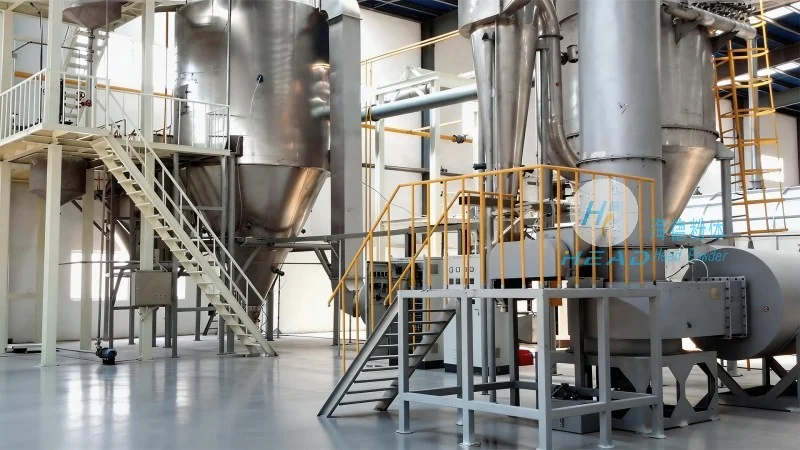
HeadPowder's pneumatic conveying systems are used in a variety of industries where resin pellet transport is essential. In the plastics industry, these systems are commonly used to transport resin pellets from storage silos to extrusion lines or molding machines. In the chemical industry, they are used to move various chemical powders and granules, including resins, through processing lines. The food and beverage industry also benefits from these systems, as they can be designed to meet sanitary standards and handle food-grade materials. HeadPowder's solutions are adaptable to different production scales, from small-scale operations to large industrial plants, making them suitable for a wide range of applications.
Conclusion
Resin pellet conveying is a complex process that requires careful consideration of the material properties, production requirements, and operational constraints. HeadPowder's pneumatic conveying solutions offer a reliable and efficient alternative to traditional methods, providing businesses with a cost-effective and flexible way to transport resin pellets. By leveraging advanced technology and a deep understanding of the industry, HeadPowder has established itself as a trusted provider of pneumatic conveying systems, helping companies improve their production efficiency and maintain product quality. For industries looking to upgrade their resin pellet conveying systems, HeadPowder's solutions are a top choice, offering the performance and reliability needed to meet today's manufacturing challenges.

 Công ty TNHH Kỹ thuật Công trình Bột Hải Đức Sơn Đông
 156-6277-7102(Quản lý Trương)
  0531-83386006
  Quận Chương Khâu, Thành phố Tế Nam, Tỉnh Sơn Đông, Trung Quốc
Điện thoại
WeChatTư vấn
Lên đầu