Công ty Hải Đức Bột với hơn 10 năm kinh nghiệm vận chuyển khí, cung cấp hệ thống‑thiết bị‑quạt gió và nhận dự án tổng thầu bột cả nước
When it comes to transporting sawdust particles, selecting the right conveying method is crucial for efficiency and operational reliability. The choice of system can significantly impact production processes, material handling costs, and overall plant performance. Among the various options available, pneumatic conveying systems have emerged as a preferred solution for many industries dealing with wood waste and sawdust. This article explores the different types of sawdust particle conveying methods and highlights the advantages of HeadPowder's specialized pneumatic conveying solutions.
Understanding Sawdust Particle Characteristics and Conveying Challenges
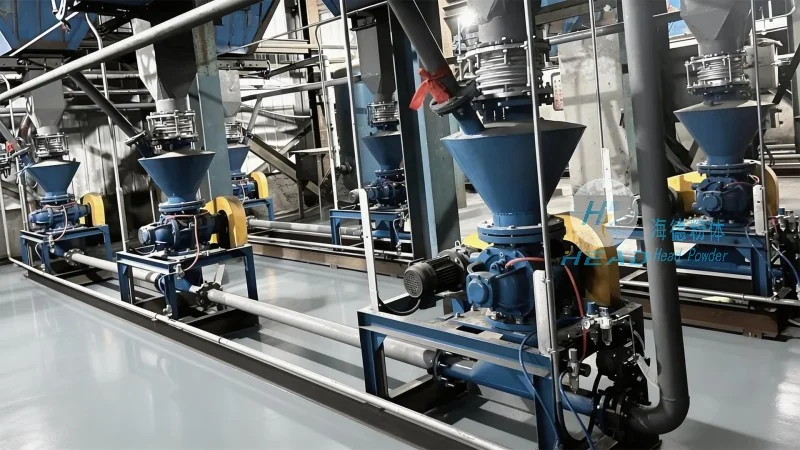
Sawdust particles are typically fine, lightweight, and can be abrasive. These characteristics present unique challenges when it comes to material transport. Traditional methods like belt conveyors or screw conveyors may struggle with dust accumulation, blockages, and the need for frequent maintenance. Additionally, the hygroscopic nature of sawdust can lead to clumping, further complicating the conveying process. Therefore, understanding the physical properties of sawdust is essential for selecting an effective conveying system.
Common Conveying Methods for Sawdust Particles
Several methods are commonly used for transporting sawdust particles, each with its own set of advantages and limitations. The primary options include:
1. Mechanical Conveyors (Belt and Screw)
Mechanical conveyors, such as belt and screw conveyors, are widely used in various industries. Belt conveyors use a continuous belt to move material along a fixed path, while screw conveyors utilize a rotating screw to push material forward. These systems are generally low-cost and straightforward to install. However, they often face issues with dust generation, material degradation, and the need for regular cleaning and maintenance. For sawdust, which is prone to clumping and abrasion, mechanical conveyors may not be the most efficient choice.
2. Hydraulic Conveying
Hydraulic conveying systems use water or other liquids to transport solid particles. The material is suspended in the liquid and moved through pipelines. While effective for some materials, hydraulic systems require significant water management and can be less suitable for sawdust due to the potential for water absorption and increased handling complexity.
3. Pneumatic Conveying
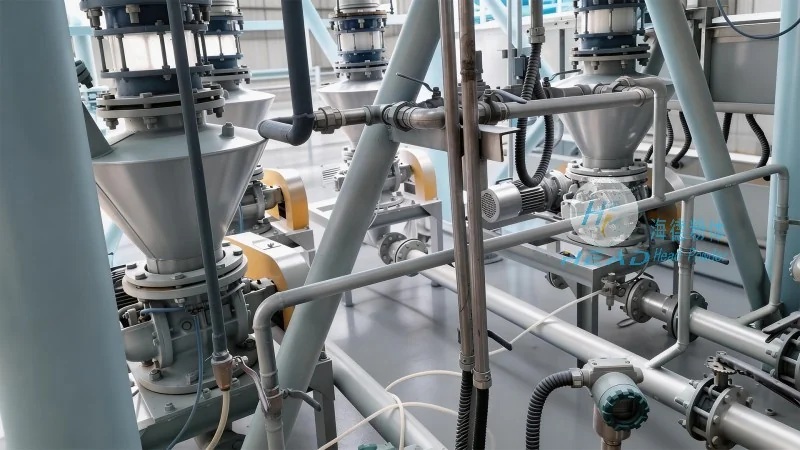
Pneumatic conveying, also known as air-based conveying, is a method that uses compressed air to transport materials through pipelines. This system is particularly well-suited for handling fine particles like sawdust. The primary types of pneumatic conveying include pressure and vacuum systems. Pressure systems use positive pressure to push material through the pipeline, while vacuum systems use negative pressure to pull material from the source.
Advantages of Pneumatic Conveying for Sawdust Particles
Compared to mechanical and hydraulic systems, pneumatic conveying offers several advantages for sawdust particle transport. The most significant benefits include:
Efficient Material Handling: Pneumatic systems can transport sawdust over long distances with minimal loss and minimal material degradation. The air flow helps to keep particles suspended, reducing the risk of clumping and blockages.
Reduced Maintenance: Unlike mechanical conveyors that require regular cleaning and lubrication, pneumatic systems have fewer moving parts and are less prone to wear and tear from abrasive sawdust.
Versatility: Pneumatic conveying can handle a wide range of particle sizes and moisture contents, making it adaptable to various sawdust sources and processing requirements.
Sanitary and Clean Operation: The enclosed pipeline system prevents dust from escaping into the environment, improving workplace safety and compliance with environmental regulations.
HeadPowder's Sawdust Particle Pneumatic Conveying Solutions
Shandong HeadPowder Engineering Co., Ltd., a leading provider of material handling solutions, specializes in designing and manufacturing advanced pneumatic conveying systems tailored for sawdust and other wood waste products. With years of experience in the industry, HeadPowder has developed innovative solutions that address the unique challenges of sawdust transport.
System Design and Components
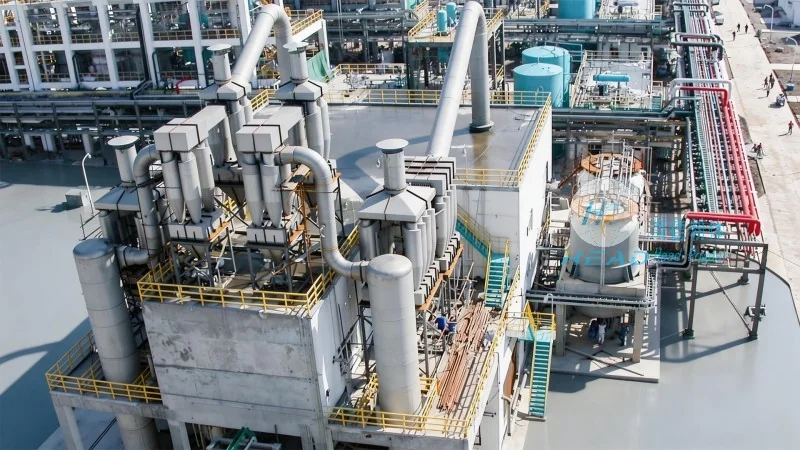
HeadPowder's sawdust particle pneumatic conveying systems are engineered with precision to ensure optimal performance. The systems typically include key components such as:
Feeder Units: Specialized feeders are used to introduce sawdust into the conveying pipeline, ensuring a consistent and controlled flow.
Pneumatic Conveying Lines: High-quality pipelines are constructed to withstand the abrasive nature of sawdust and maintain air pressure efficiency.
Separation and Collection Equipment: These components help to separate the conveyed sawdust from the air stream, ensuring clean material delivery at the destination.
Control Systems: Advanced control systems monitor and regulate the conveying process, optimizing performance and reducing energy consumption.
Customization and Application Flexibility
HeadPowder understands that each sawdust processing facility has unique requirements. Therefore, their pneumatic conveying solutions are highly customizable. Whether the application involves short-distance transport within a facility or long-distance transfer between sites, HeadPowder can design a system that meets specific operational needs. The company works closely with clients to assess their material characteristics, processing volumes, and operational constraints to deliver tailored solutions.
Conclusion
Choosing the right sawdust particle conveying method is critical for efficient wood waste management. While mechanical and hydraulic systems have their place, pneumatic conveying offers superior performance, reliability, and adaptability for handling sawdust. HeadPowder's expertise in pneumatic conveying technology provides industries with a reliable and efficient solution for transporting sawdust particles. By leveraging advanced engineering and customization, HeadPowder ensures that their systems deliver optimal performance, reduce operational costs, and contribute to sustainable wood processing practices.

 Công ty TNHH Kỹ thuật Công trình Bột Hải Đức Sơn Đông
 156-6277-7102(Quản lý Trương)
  0531-83386006
  Quận Chương Khâu, Thành phố Tế Nam, Tỉnh Sơn Đông, Trung Quốc
Điện thoại
WeChatTư vấn
Lên đầu