Công ty Hải Đức Bột với hơn 10 năm kinh nghiệm vận chuyển khí, cung cấp hệ thống‑thiết bị‑quạt gió và nhận dự án tổng thầu bột cả nước
When it comes to transporting gypsum powder and dust, selecting the right conveying method is crucial for efficiency, safety, and operational costs. Gypsum, a widely used material in construction and industrial applications, poses unique challenges due to its fine particle size and hygroscopic nature. Traditional methods like belt conveyors or screw conveyors may struggle with dust generation, material caking, and uneven flow. This article explores the various conveying methods available for gypsum powder and dust, with a focus on the advantages and features of pneumatic conveying systems.
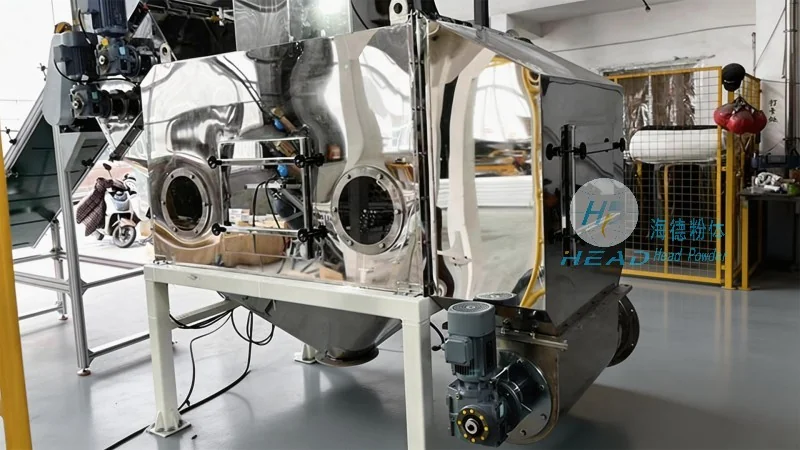
Understanding Gypsum Powder and Dust Characteristics
Gypsum powder, derived from natural gypsum rock or produced through processing, consists of fine particles that are lightweight and prone to dispersion. Its hygroscopic properties mean it can absorb moisture from the air, leading to clumping and reduced flowability. Dust generated during handling can also pose health and environmental risks. These characteristics make conventional bulk material handling equipment less effective and necessitate specialized solutions.
Common Conveying Methods for Gypsum Powder and Dust
Several methods are employed to transport gypsum powder and dust, each with its own set of advantages and limitations. The primary options include:
Belt Conveyors: These are widely used for horizontal or slight incline transport. However, they are prone to dust leakage, material spillage, and require regular maintenance to prevent clogging.
Screw Conveyors: Screw conveyors use a rotating screw to move material, suitable for vertical or inclined transport. They are effective for dry powders but can suffer from material degradation and increased friction due to the fine gypsum particles.
Pneumatic Conveying: This method uses air pressure to transport material through a pipeline system, offering a more enclosed and controlled environment.
The Advantages of Pneumatic Conveying for Gypsum Powder and Dust
Pneumatic conveying systems, particularly those designed for fine powders like gypsum, offer several key advantages that make them the preferred choice for many industries. These benefits include:
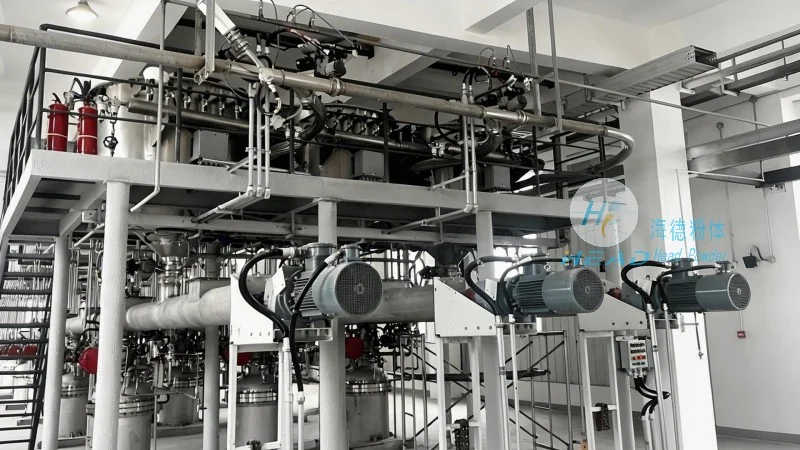
Efficient and Continuous Transport: Pneumatic systems can handle continuous, high-volume transport of gypsum powder and dust without the need for manual intervention or frequent stops.
Reduced Dust and Environmental Impact: By operating in a closed pipeline system, pneumatic conveying minimizes dust emissions, improving workplace safety and compliance with environmental regulations.
Flexibility in Layout: The modular design of pneumatic conveying systems allows for flexible pipeline configurations, enabling transport over long distances or around obstacles with minimal disruption.
Improved Material Handling: The enclosed system prevents material degradation, caking, or contamination, ensuring the quality of gypsum powder is maintained throughout the conveying process.
Energy Efficiency: Modern pneumatic conveying systems utilize optimized air flow and pressure control, reducing energy consumption compared to traditional methods.
Key Features of Pneumatic Conveying Systems for Gypsum
When selecting a pneumatic conveying system for gypsum powder and dust, several features are critical to ensure optimal performance. These features include:
Positive Displacement Pumps: These systems use a piston or rotary lobe pump to create a positive pressure, ensuring consistent material flow and preventing backflow.
Pressure-Regulating Valves: These components maintain stable pressure within the pipeline, preventing over-pressurization and ensuring smooth transport.
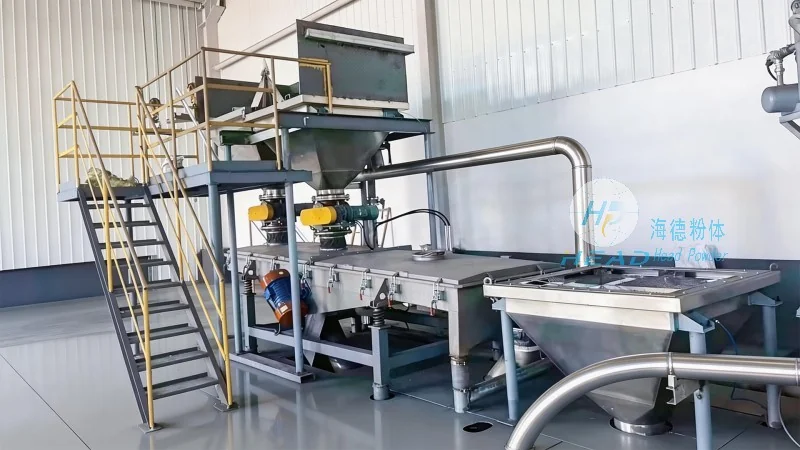
Dust Collection and Filtration: Integrated dust collection systems capture and filter fine particles, reducing emissions and protecting equipment from wear.
Material-Specific Design: Systems tailored for gypsum consider the material's hygroscopic nature, using materials like stainless steel or specialized coatings to prevent corrosion and caking.
Applications of Gypsum Powder and Dust Conveying
Gypsum powder and dust are used in various industries, including construction (plaster, drywall), agriculture (soil amendment), and industrial processes (fertilizer production). The choice of conveying method depends on the specific application requirements, such as transport distance, material volume, and environmental regulations.
For example, in the construction industry, transporting gypsum for drywall production requires systems that can handle large volumes over short to medium distances. In agricultural applications, conveying gypsum for soil conditioning may involve longer distances and varying material conditions. Pneumatic conveying systems are adaptable to these diverse needs, providing reliable performance across different sectors.
Conclusion
Choosing the right conveying method for gypsum powder and dust is essential for maintaining operational efficiency, safety, and material quality. While traditional methods like belt and screw conveyors have their uses, pneumatic conveying systems offer superior advantages in terms of dust control, flexibility, and material handling. Companies like Shandong HeadPowder Engineering Co., Ltd. specialize in designing and manufacturing customized pneumatic conveying solutions tailored to the unique needs of gypsum powder and dust applications. By leveraging the benefits of pneumatic conveying, industries can enhance productivity, reduce environmental impact, and ensure consistent material quality throughout the transport process.

 Công ty TNHH Kỹ thuật Công trình Bột Hải Đức Sơn Đông
 156-6277-7102(Quản lý Trương)
  0531-83386006
  Quận Chương Khâu, Thành phố Tế Nam, Tỉnh Sơn Đông, Trung Quốc
Điện thoại
WeChatTư vấn
Lên đầu