Công ty Hải Đức Bột với hơn 10 năm kinh nghiệm vận chuyển khí, cung cấp hệ thống‑thiết bị‑quạt gió và nhận dự án tổng thầu bột cả nước
When it comes to handling and transporting ceramic materials, selecting the right conveying method is crucial for maintaining product quality and operational efficiency. The choice of conveying system depends on various factors such as material characteristics, production scale, and the specific requirements of the manufacturing process. In this article, we will explore the primary methods used for ceramic conveying, focusing on the technologies and applications that are most commonly employed in industrial settings. Our company, Shandong HeadPowder Engineering Co., Ltd., specializes in providing advanced conveying solutions tailored to the unique needs of ceramic manufacturers.
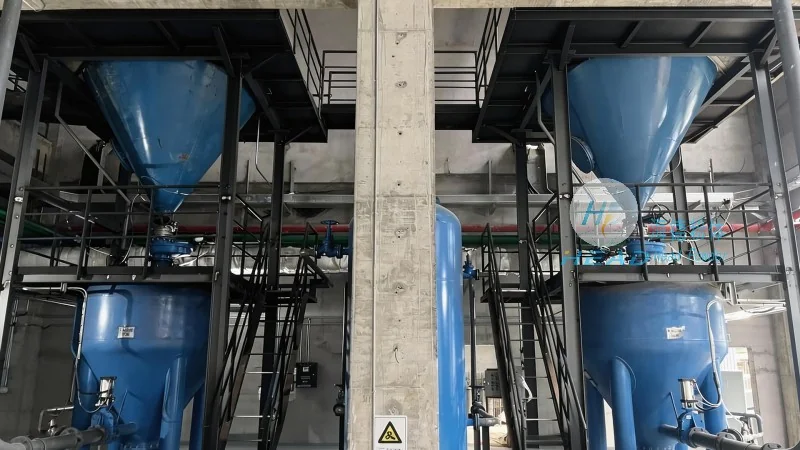
Gravity Conveying Systems
Gravity conveying systems utilize the natural force of gravity to move ceramic materials from one point to another. These systems are typically designed with inclined chutes or hoppers that allow the material to flow downwards under the influence of gravity. The design of gravity conveyors is straightforward and often involves minimal moving parts, making them cost-effective and low-maintenance solutions for transporting bulk ceramic powders or granules. The key advantage of gravity conveying is its simplicity and energy efficiency, as it does not require external power sources to operate. However, the effectiveness of gravity conveyors is limited by the material's angle of repose and the slope of the conveyor, which must be carefully calculated to ensure smooth flow. This method is particularly suitable for applications where the material is relatively free-flowing and the distance between the loading and unloading points is short. For instance, in the production of ceramic tiles or sanitary ware, gravity chutes are commonly used to transport raw materials from storage silos to mixing or molding stations.
Mechanical Conveying Systems
Mechanical conveying systems employ mechanical components to move ceramic materials. These systems are more versatile and can handle a wider range of material types and flow conditions compared to gravity systems. The most common types of mechanical conveyors used in ceramic processing include screw conveyors, belt conveyors, and chain conveyors. Screw conveyors, also known as auger conveyors, consist of a rotating screw inside a tube or trough. As the screw rotates, it pushes the material forward, making it suitable for conveying powders, granules, and even small ceramic pieces. Screw conveyors are often used in applications where the material needs to be mixed or blended before further processing, such as in the preparation of ceramic slurry or the transport of raw clay from storage to the extrusion line. Belt conveyors, on the other hand, use a continuous belt that moves over rollers to transport materials. This method is ideal for transporting larger ceramic items or bulk materials over longer distances. Belt conveyors are commonly used in the transportation of finished ceramic products, such as tiles or sanitary ware, from the production line to the packaging area. Chain conveyors, which use a series of interconnected links or chains, are another option for mechanical conveying. These systems are particularly effective for handling heavy or irregularly shaped ceramic pieces, as the chains can provide the necessary traction to move the material along the conveyor path. Mechanical conveying systems offer greater control over the speed and direction of material flow, allowing for more precise handling and processing. However, they require more maintenance and energy input compared to gravity systems, which can increase operational costs.
Pneumatic Conveying Systems
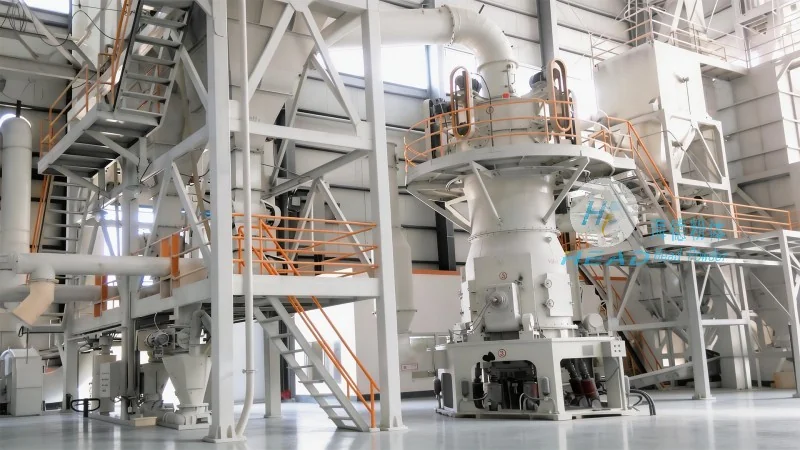
Pneumatic conveying systems use air or other gases to transport ceramic materials. These systems are particularly useful for handling fine powders or dust that are difficult to move using mechanical or gravity methods. There are two main types of pneumatic conveying: pressure and vacuum systems. In pressure systems, compressed air is used to push the material through a pipeline. The material is typically introduced into the pipeline at a high velocity, and the air pressure helps to maintain the flow. Pressure systems are well-suited for short to medium-distance conveying of ceramic powders, such as in the transport of raw materials from a silo to a mixer. Vacuum systems, on the other hand, use a vacuum to draw the material into the pipeline. This method is ideal for applications where the material needs to be transported from a lower to a higher elevation or over longer distances. Pneumatic conveying offers several advantages, including the ability to transport materials in a closed system, which helps to prevent contamination and dust emissions. Additionally, these systems can be designed to handle abrasive or corrosive materials without causing wear or damage to the equipment. However, pneumatic conveying systems require careful consideration of air pressure and flow rates to ensure efficient material transport. The choice of system (pressure or vacuum) depends on the specific requirements of the application, such as the distance to be covered and the material's properties.
Hybrid Conveying Systems
Hybrid conveying systems combine elements of gravity, mechanical, and pneumatic methods to achieve optimal material handling. These systems are designed to address the limitations of individual methods and provide a more versatile solution for complex ceramic processing operations. For example, a hybrid system might use a gravity chute to transport material from a storage silo to a mechanical conveyor, which then moves the material to a pneumatic system for final delivery to the processing line. Hybrid systems allow for greater flexibility in handling different material types and flow conditions, making them suitable for large-scale ceramic production facilities. By integrating multiple conveying technologies, these systems can improve overall efficiency and reduce downtime. However, the design and maintenance of hybrid systems are more complex compared to single-method systems, requiring specialized expertise to ensure proper operation.
Factors to Consider When Choosing a Conveying Method
When selecting a conveying method for ceramic materials, several factors must be taken into account to ensure the most effective and efficient operation. The first consideration is the material's physical properties, such as its particle size, density, and angle of repose. Fine powders or cohesive materials may require pneumatic or mechanical conveyors, while free-flowing granules can be handled by gravity or screw conveyors. The second factor is the distance and elevation changes between the loading and unloading points. Short distances and minimal elevation changes are suitable for gravity systems, while longer distances or significant elevation changes may necessitate mechanical or pneumatic systems. The third factor is the production scale and throughput requirements. Large-scale operations may require multiple conveyors working in parallel, while small-scale operations may only need a single gravity or mechanical system. Additionally, the cost of the system, including initial investment and ongoing maintenance, should be considered. Gravity systems are generally the most cost-effective option, while pneumatic systems may have higher energy and maintenance costs. Finally, the need for material containment and dust control is an important consideration, especially in applications where environmental regulations are a concern. Pneumatic and mechanical systems can be designed with enclosed components to minimize dust emissions, while gravity systems may require additional containment measures.
Conclusion
In conclusion, the choice of ceramic conveying method depends on a variety of factors, including material characteristics, operational requirements, and cost considerations. Gravity systems offer simplicity and energy efficiency, while mechanical systems provide greater control and versatility. Pneumatic systems are ideal for handling fine powders and dust, and hybrid systems can combine the benefits of multiple methods. By carefully evaluating these factors and selecting the appropriate conveying system, manufacturers can ensure efficient and reliable material handling, which is essential for maintaining product quality and operational efficiency in ceramic processing. The right conveying method not only improves the overall performance of the production line but also contributes to a safer and more sustainable manufacturing environment.

 Công ty TNHH Kỹ thuật Công trình Bột Hải Đức Sơn Đông
 156-6277-7102(Quản lý Trương)
  0531-83386006
  Quận Chương Khâu, Thành phố Tế Nam, Tỉnh Sơn Đông, Trung Quốc
Điện thoại
WeChatTư vấn
Lên đầu