Công ty Hải Đức Bột với hơn 10 năm kinh nghiệm vận chuyển khí, cung cấp hệ thống‑thiết bị‑quạt gió và nhận dự án tổng thầu bột cả nước
When it comes to handling aluminum foil, selecting the right conveying method is crucial for efficiency and product integrity. Aluminum foil, known for its thinness and flexibility, requires specialized equipment to ensure smooth and damage-free transport. This article explores the primary methods used for aluminum foil conveyance, focusing on the technologies and considerations that make each approach suitable for different applications.
1. Belt Conveyors for Aluminum Foil
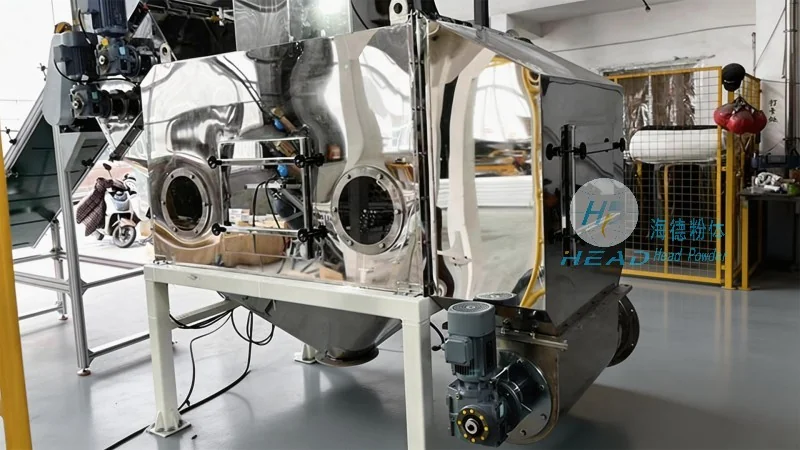
Belt conveyors are a common choice for aluminum foil transport, particularly in manufacturing and packaging lines. These systems use a continuous belt to move foil sheets or rolls. The belt material is often chosen for its non-stick properties and ability to handle thin materials without causing scratches or tears. For aluminum foil, conveyor belts made from materials like polyurethane or food-grade rubber are preferred. The design typically includes gentle curves and low-friction surfaces to prevent the foil from sticking or being damaged during movement. Belt conveyors are versatile and can be integrated with other machinery, such as cutting or folding equipment, to create a seamless production workflow. They are especially effective for transporting flat aluminum foil sheets in continuous production environments.
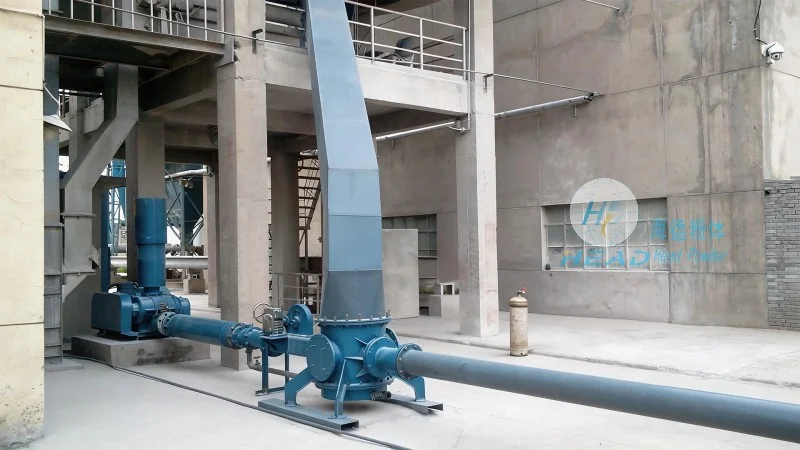
2. Pneumatic Conveying Systems
Pneumatic conveying, or air-based transport, is another method used for aluminum foil, especially when dealing with small, lightweight pieces or when a dust-free environment is required. This system uses compressed air to move the foil through a network of pipes. The foil is often placed in a hopper or feeder, and as air is introduced, it lifts and transports the material to the next stage. Pneumatic systems are ideal for applications where contamination must be minimized, as they keep the foil enclosed within the system. They are also suitable for conveying foil in a vertical or horizontal path, depending on the layout of the production line. However, these systems require careful design to prevent air leaks and ensure consistent airflow, which is critical for maintaining the speed and efficiency of the conveying process.
3. Roller Conveyors and Gravity Systems
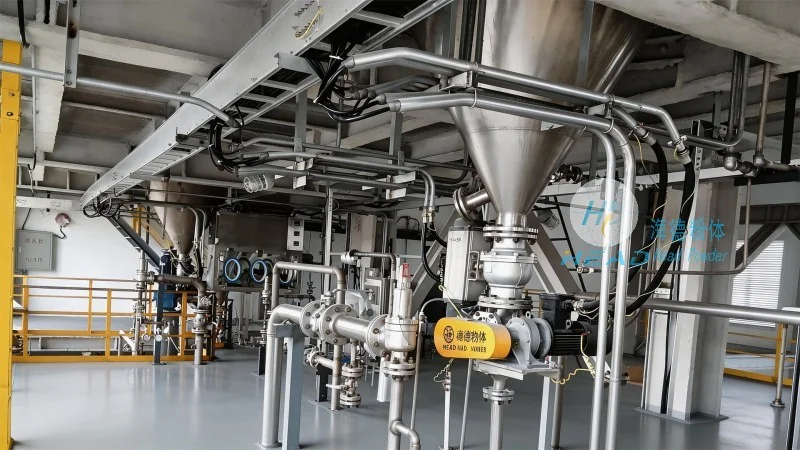
Roller conveyors, including gravity and powered roller systems, are used for aluminum foil when the material is in roll form. These conveyors consist of a series of rollers that support the weight of the foil roll, allowing it to move along the path. Gravity roller conveyors rely on the roll's own weight to move it, while powered versions use motors to drive the rollers. This method is effective for transporting aluminum foil rolls from one location to another without the need for additional power sources. The rollers are typically made of materials that are smooth and non-abrasive to prevent damage to the foil surface. Roller conveyors are often used in storage and distribution areas, where foil rolls need to be moved between storage and processing equipment. They provide a simple and cost-effective solution for roll-based aluminum foil transport.
4. Magnetic Conveyors
Magnetic conveyors are a specialized method for aluminum foil, particularly when the foil is coated with a magnetic layer or when dealing with foil that contains magnetic particles. These systems use magnetic fields to attract and move the foil along a track. The conveyor consists of a series of magnets arranged along the path, which pull the foil forward. Magnetic conveyors are highly efficient for moving foil in a straight line and are often used in applications where the foil needs to be aligned or sorted. They are particularly useful in recycling operations, where aluminum foil may be mixed with other materials and needs to be separated based on magnetic properties. The magnetic force can be adjusted to control the speed and direction of the foil movement, making these systems adaptable to various production needs.
Company Information: Shandong HeadPowder Engineering Co., Ltd.
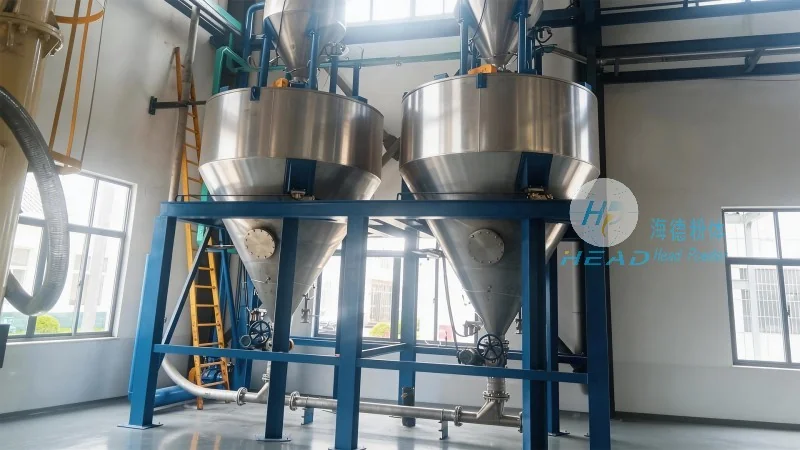
For professional solutions in aluminum foil conveying, Shandong HeadPowder Engineering Co., Ltd. offers a range of specialized equipment and systems. Based in Shandong, China, the company focuses on providing high-quality conveying solutions tailored to the unique needs of aluminum foil processing. Their expertise in material handling ensures that customers receive equipment designed to maintain the integrity of their aluminum foil products while optimizing production efficiency. Whether you need belt conveyors, pneumatic systems, or magnetic conveyors, HeadPowder Engineering provides reliable and durable solutions that meet industry standards.

 Công ty TNHH Kỹ thuật Công trình Bột Hải Đức Sơn Đông
 156-6277-7102(Quản lý Trương)
  0531-83386006
  Quận Chương Khâu, Thành phố Tế Nam, Tỉnh Sơn Đông, Trung Quốc
Điện thoại
WeChatTư vấn
Lên đầu