Công ty Hải Đức Bột với hơn 10 năm kinh nghiệm vận chuyển khí, cung cấp hệ thống‑thiết bị‑quạt gió và nhận dự án tổng thầu bột cả nước
Sintering dust, a byproduct generated during the sintering process in metallurgical and industrial applications, requires efficient and reliable transportation systems to manage its handling and disposal. Proper dust transportation is crucial for maintaining operational efficiency, ensuring environmental compliance, and protecting worker safety. This article explores the various methods employed for sintering dust transportation, highlighting the key considerations and technologies used in the industry.
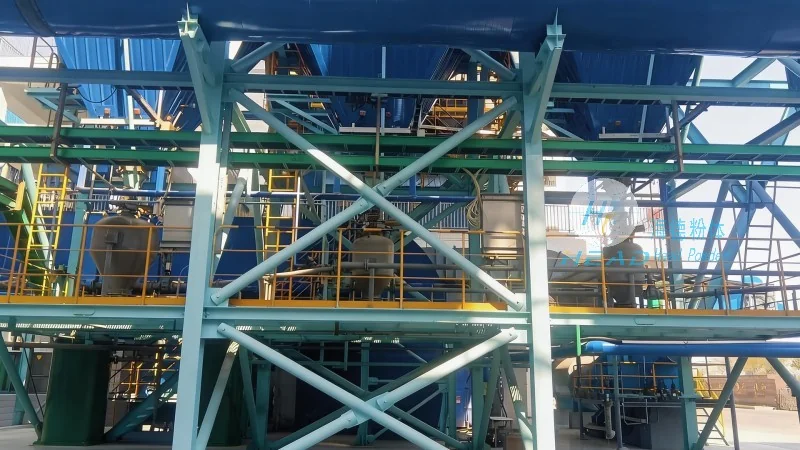
About Shandong HeadPowder Engineering Co., Ltd.
Shandong HeadPowder Engineering Co., Ltd., operating under the brand name headpowder, is a specialized engineering company based in Shandong, China. With a focus on providing comprehensive solutions for dust handling and material transportation, the company has established itself as a trusted partner in the metallurgical and industrial sectors. HeadPowder leverages advanced engineering expertise and cutting-edge technology to design, manufacture, and implement effective dust transportation systems tailored to the specific needs of its clients.
Key Considerations in Sintering Dust Transportation
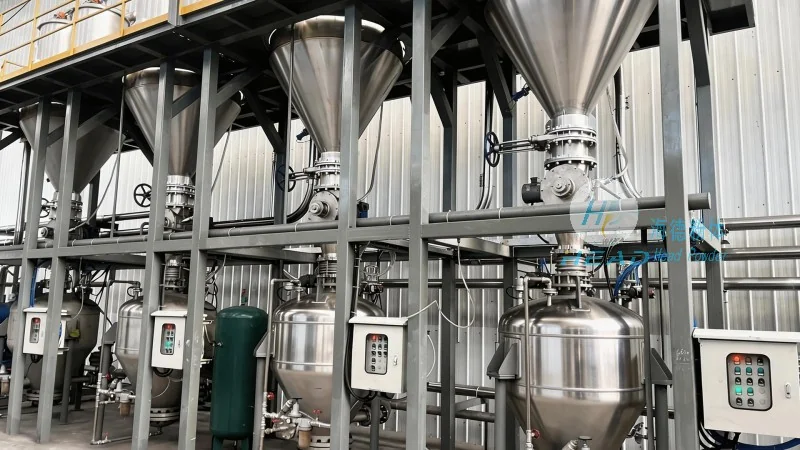
Before selecting a transportation method for sintering dust, several factors must be considered to ensure optimal performance and compliance with industry standards. These factors include the dust's physical properties (such as particle size, moisture content, and abrasiveness), the required transportation distance, the desired throughput capacity, and the environmental regulations governing dust handling. Additionally, the cost of implementation, maintenance requirements, and the overall safety of the system are critical aspects that influence the choice of transportation method.
Common Methods for Sintering Dust Transportation
There are several established methods for transporting sintering dust, each with its own advantages and applications. The selection of a method depends on the specific characteristics of the dust and the operational requirements of the facility. Below are some of the most commonly used approaches:
1. Mechanical Conveying Systems
Mechanical conveying systems utilize physical components to move sintering dust through a pipeline or conveyor. These systems are widely used due to their reliability and ability to handle a wide range of dust types. One common type is the spiral conveyor, which uses a rotating spiral to transport dust in a vertical or inclined direction. Spiral conveyors are particularly effective for handling fine or cohesive dust particles and can operate at relatively high speeds, ensuring efficient material movement. Another mechanical option is the belt conveyor, which uses a continuous belt to transport dust horizontally or at a slight incline. Belt conveyors are suitable for larger dust particles and can handle higher volumes, making them ideal for bulk material transport.
2. Pneumatic Conveying Systems
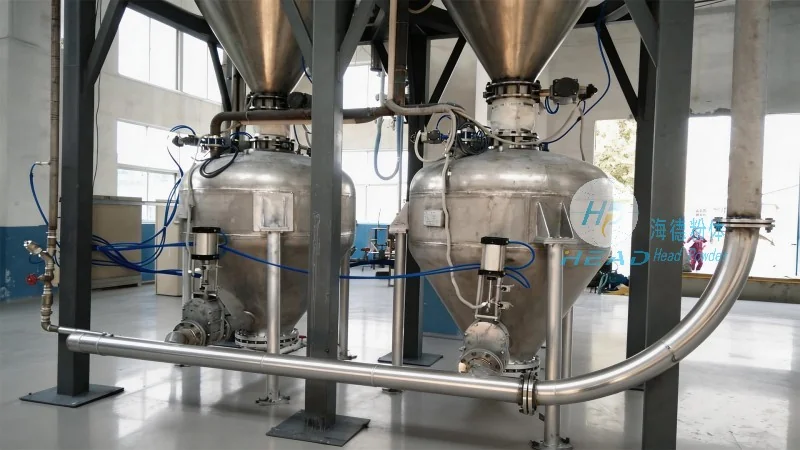
Pneumatic conveying systems use air or other gases to transport sintering dust through a pipeline. This method is particularly effective for handling fine dust particles and can be used over longer distances compared to mechanical systems. There are two main types of pneumatic conveying: positive pressure and negative pressure systems. Positive pressure systems force air and dust through the pipeline using a blower or compressor, while negative pressure systems create a vacuum to draw dust into the pipeline. Pneumatic systems are often preferred for applications requiring dust to be transported from multiple sources or over long distances, as they can handle dust with varying properties and minimize the risk of dust dispersion.
3. Air-Liquid Transport Systems
Air-liquid transport systems combine the use of air and a liquid medium to transport sintering dust. This method is particularly useful for handling dust that is difficult to convey using traditional mechanical or pneumatic systems. The dust is mixed with a liquid (such as water or a specialized transport fluid) to form a slurry, which is then pumped through a pipeline. Once the slurry reaches its destination, the liquid is separated from the dust, and the dust is recovered for further processing or disposal. Air-liquid transport systems are effective for handling abrasive or corrosive dust and can be used in applications where dust dispersion is a concern.
4. Hydraulic Conveying Systems
Hydraulic conveying systems use water or other liquids to transport sintering dust through a pipeline. This method is typically used for handling large volumes of dust over long distances, particularly in mining and metallurgical operations. The dust is mixed with water to form a slurry, which is then pumped through a pipeline using a pump. Hydraulic systems are capable of transporting dust with high concentrations and can handle abrasive materials without significant wear on the pipeline. However, they require additional equipment for slurry treatment and disposal, which can increase operational costs.
5. Combination Systems
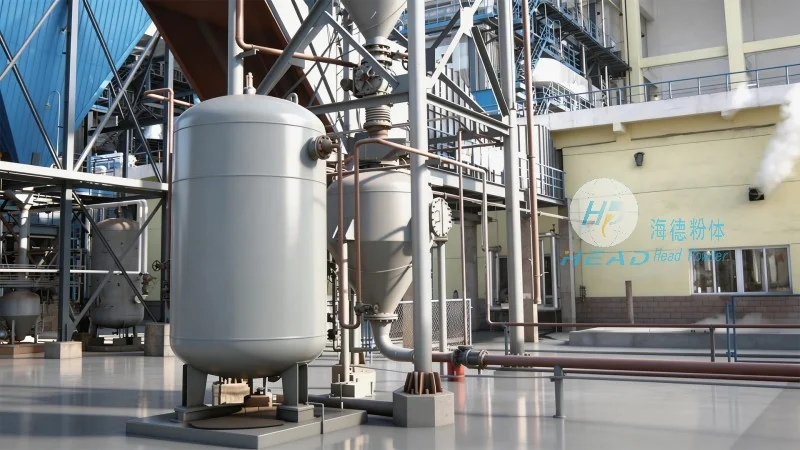
In some cases, a combination of mechanical, pneumatic, or hydraulic systems may be used to transport sintering dust. For example, a facility might use a mechanical conveyor to transport dust from a storage silo to a pneumatic system, which then transports the dust to a treatment plant. Combination systems allow for greater flexibility and can be tailored to the specific needs of the operation, ensuring efficient and cost-effective dust transportation.
Conclusion and Recommendations
Choosing the appropriate method for sintering dust transportation is a critical decision that impacts operational efficiency, environmental compliance, and worker safety. Shandong HeadPowder Engineering Co., Ltd. offers comprehensive solutions for dust handling and transportation, leveraging its expertise in mechanical, pneumatic, and other advanced systems. By considering the specific characteristics of the dust and the operational requirements of the facility, companies can select the most effective transportation method to ensure smooth and reliable operation. HeadPowder's commitment to quality and innovation ensures that its clients receive tailored solutions that meet their unique needs and comply with industry standards.

 Công ty TNHH Kỹ thuật Công trình Bột Hải Đức Sơn Đông
 156-6277-7102(Quản lý Trương)
  0531-83386006
  Quận Chương Khâu, Thành phố Tế Nam, Tỉnh Sơn Đông, Trung Quốc
Điện thoại
WeChatTư vấn
Lên đầu