Công ty Hải Đức Bột với hơn 10 năm kinh nghiệm vận chuyển khí, cung cấp hệ thống‑thiết bị‑quạt gió và nhận dự án tổng thầu bột cả nước
When it comes to the efficient handling and movement of corn flour, understanding the various transportation methods is crucial for businesses involved in the corn processing industry. Corn flour, a key product derived from corn milling, requires specialized handling to maintain its quality and prevent contamination. The methods used for corn flour transportation can significantly impact the overall supply chain efficiency and product integrity.
Company Profile: Shandong HeadPowder Engineering Co., Ltd.
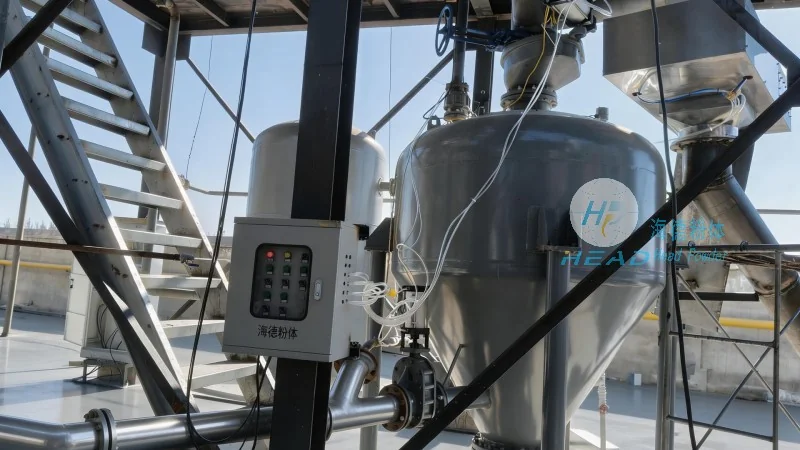
HeadPowder, a leading provider in the field, specializes in engineering solutions for corn flour processing and transportation. With a strong presence in China, particularly in Shandong province, the company has established itself as a reliable partner for businesses seeking advanced and efficient corn flour handling systems. The company's expertise lies in designing and implementing tailored transportation solutions that meet the specific needs of corn flour producers and distributors.
Key Transportation Methods for Corn Flour
Several methods are commonly employed for corn flour transportation, each with its own advantages and applications. The choice of method often depends on factors such as the volume of corn flour to be transported, the distance, and the required speed of delivery. Here are some of the primary methods used in the industry:
1. Bulk Bag (FIBC) Transportation
Bulk bags, or flexible intermediate bulk containers (FIBCs), are widely used for transporting corn flour in bulk quantities. These sturdy, reusable bags are designed to hold large volumes of powder, making them ideal for long-distance transportation. The bags are typically made from durable materials like polypropylene or polyester, ensuring they can withstand the weight and pressure of the corn flour. During transportation, bulk bags are often loaded onto trucks or railcars, which are equipped with specialized unloading mechanisms to prevent dust and spillage. This method is particularly effective for transporting large batches of corn flour to distribution centers or processing facilities.
2. Bulk Tanker Transportation
Bulk tanker trucks are another common method for corn flour transportation, especially for liquid or semi-liquid forms of corn flour, though corn flour itself is typically a dry powder. However, some corn flour products may be mixed with liquids to create pastes or slurries, which can be transported in bulk tankers. These tankers are equipped with agitators to keep the corn flour mixture from settling and clogging the pipes. The tanks are also designed to maintain the temperature and moisture levels of the corn flour, ensuring product quality is preserved during transit. Bulk tanker transportation is suitable for large-scale operations where high volumes need to be moved quickly and efficiently.
3. Pneumatic Conveying Systems
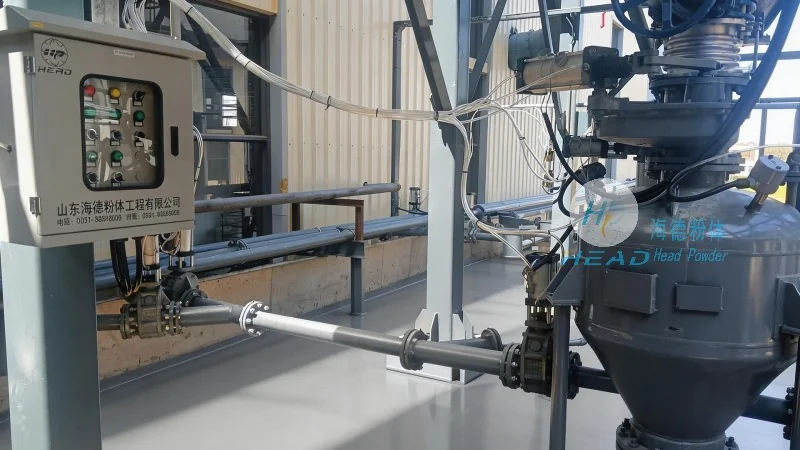
Pneumatic conveying systems use air pressure to transport corn flour through a network of pipes. This method is highly efficient for moving corn flour over short to medium distances, such as within a processing plant or between different sections of a facility. The system consists of a hopper where the corn flour is loaded, a blower that creates the air pressure, and a series of pipes that carry the flour to the destination. Pneumatic conveying is a clean and dust-free method, as the corn flour is contained within the pipes and not exposed to the environment. This reduces the risk of contamination and makes it suitable for transporting corn flour to packaging lines or storage silos. The system can be designed as either positive or negative pressure, depending on the specific requirements of the corn flour and the layout of the facility.
4. Belt Conveyor Systems
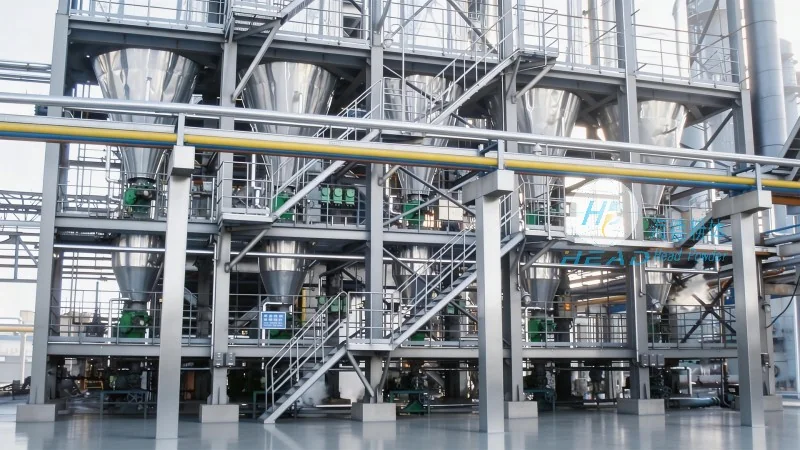
Belt conveyor systems are widely used in corn flour processing plants for internal transportation of the flour. These systems consist of a continuous belt that moves over rollers or pulleys, carrying the corn flour from one location to another. Belt conveyors are highly effective for moving large volumes of corn flour over longer distances within a facility, such as from the milling area to the packaging section. The belts are typically made from materials that are resistant to the abrasive nature of corn flour and can be cleaned easily to prevent product buildup. Some belt conveyor systems are equipped with variable speed drives, allowing for precise control over the flow rate of the corn flour. This method is ideal for continuous production lines where a steady supply of corn flour is needed for packaging or further processing.
5. Truck and Rail Transportation
For long-distance transportation of corn flour, trucks and railcars are the most common modes of transport. Trucks are suitable for shorter distances and can deliver corn flour directly to customers or distribution centers. Railcars, on the other hand, are ideal for transporting large volumes over longer distances, especially when moving from one region to another. Both truck and rail transportation require specialized equipment, such as bulk containers or hopper cars, to ensure the corn flour is transported safely and efficiently. The containers are designed to minimize dust and spillage, and are often equipped with ventilation systems to maintain the quality of the corn flour during transit. This method is particularly effective for large-scale operations where a high volume of corn flour needs to be moved over long distances.
Conclusion and Company Expertise
Choosing the right transportation method for corn flour is essential for maintaining product quality and ensuring efficient supply chain operations. Each method has its own advantages and limitations, and the best choice depends on the specific needs of the business. Shandong HeadPowder Engineering Co., Ltd. offers comprehensive solutions for corn flour transportation, including the design and implementation of bulk handling systems, conveyor systems, and transportation equipment. With their expertise and experience, HeadPowder helps businesses optimize their corn flour transportation processes, ensuring they meet the highest standards of quality and efficiency.

 Công ty TNHH Kỹ thuật Công trình Bột Hải Đức Sơn Đông
 156-6277-7102(Quản lý Trương)
  0531-83386006
  Quận Chương Khâu, Thành phố Tế Nam, Tỉnh Sơn Đông, Trung Quốc
Điện thoại
WeChatTư vấn
Lên đầu