Công ty Hải Đức Bột với hơn 10 năm kinh nghiệm vận chuyển khí, cung cấp hệ thống‑thiết bị‑quạt gió và nhận dự án tổng thầu bột cả nước
When it comes to the transportation of nitrile rubber, selecting the right method is crucial for ensuring product integrity, efficiency, and safety. Nitrile rubber, known for its excellent resistance to oil, fuel, and chemicals, is widely used in various industries such as automotive, aerospace, and manufacturing. The choice of transportation method depends on factors like the rubber's viscosity, the distance of transport, and the required delivery speed. Shandong HeadPowder Engineering Co., Ltd., a leading provider of rubber processing solutions, offers expertise in selecting and implementing the most suitable transportation methods for nitrile rubber. With years of experience in the industry, the company understands the importance of maintaining the quality of nitrile rubber during transport and provides tailored solutions to meet the specific needs of its clients.
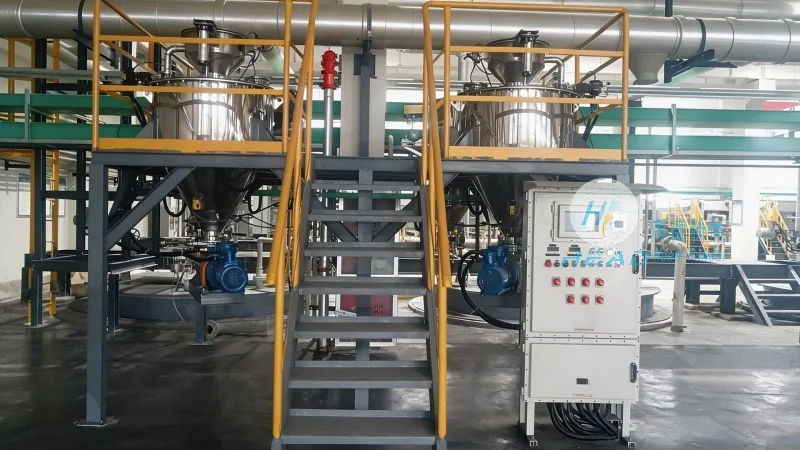
1. Pneumatic Conveying Systems
Pneumatic conveying is a popular method for transporting nitrile rubber, especially in applications where the material needs to be moved over short to medium distances. This system uses air pressure to move the rubber particles through a pipeline. The process involves creating a vacuum or pressure differential to draw the rubber into the conveying line. Pneumatic conveyors are particularly effective for handling fine powders or granules of nitrile rubber, as they can transport the material without the need for mechanical components that might cause contamination or damage. The system typically includes a hopper, a conveyor line, and a receiver, with the air flow controlled by a blower or compressor. This method is ideal for applications where the rubber is in a dry, powdered form, as it maintains the material's quality by preventing exposure to moisture or other contaminants.
2. Hydraulic Pumping
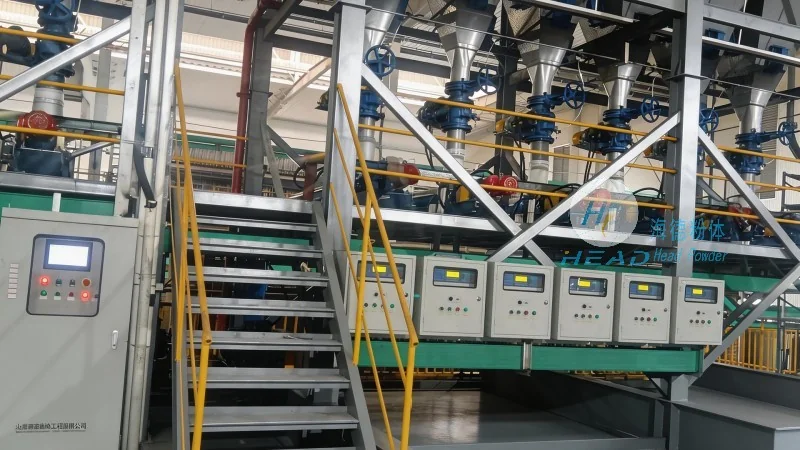
For bulk transportation of nitrile rubber, especially in liquid or semi-liquid states, hydraulic pumping is a reliable option. Hydraulic pumps, such as progressive cavity pumps or gear pumps, are used to move the rubber through pipelines. These pumps are capable of handling high-viscosity materials, making them suitable for nitrile rubber that has been mixed with solvents or other additives. The pumping system includes a pump, a motor, and a set of pipes connected to the storage tank and the delivery point. The hydraulic pressure ensures that the rubber is transported efficiently without clogging the pipes. This method is commonly used in industrial settings where large volumes of nitrile rubber need to be moved over longer distances, such as from a processing plant to a manufacturing facility. The use of hydraulic pumping also allows for precise control over the flow rate, which is essential for maintaining the quality of the rubber during transport.
3. Bulk Container Transport
When transporting nitrile rubber in bulk quantities, using specialized containers is a common practice. These containers, often made of stainless steel or other corrosion-resistant materials, are designed to hold large volumes of the rubber while preventing contamination. The containers are typically equipped with valves and seals to ensure that the material remains contained and does not leak during transport. This method is suitable for both liquid and solid forms of nitrile rubber, as the containers can be adapted to accommodate different states. The transportation of bulk containers is usually done via trucks or railcars, which are loaded and unloaded using specialized equipment. This approach is ideal for long-distance transport, as it allows for the movement of large quantities of nitrile rubber without the need for continuous pumping or conveying systems. The use of bulk containers also provides a cost-effective solution for businesses that require regular delivery of nitrile rubber in large volumes.
4. Specialized Handling Equipment
In some cases, specialized handling equipment may be required for the transportation of nitrile rubber, especially when dealing with large or irregularly shaped pieces. For example, overhead cranes or forklifts may be used to move large blocks of nitrile rubber from storage to processing areas. These pieces of equipment are designed to handle heavy loads and ensure that the rubber is moved safely and efficiently. The use of specialized handling equipment is particularly important when the nitrile rubber is in a solid, block form, as it may be too heavy or difficult to move using standard conveyors. This method is often used in manufacturing facilities where the rubber is used to produce parts that require precise dimensions and quality. The equipment used for handling nitrile rubber must be compatible with the material to avoid any damage or contamination, which could affect the final product's performance.
5. Environmental and Safety Considerations
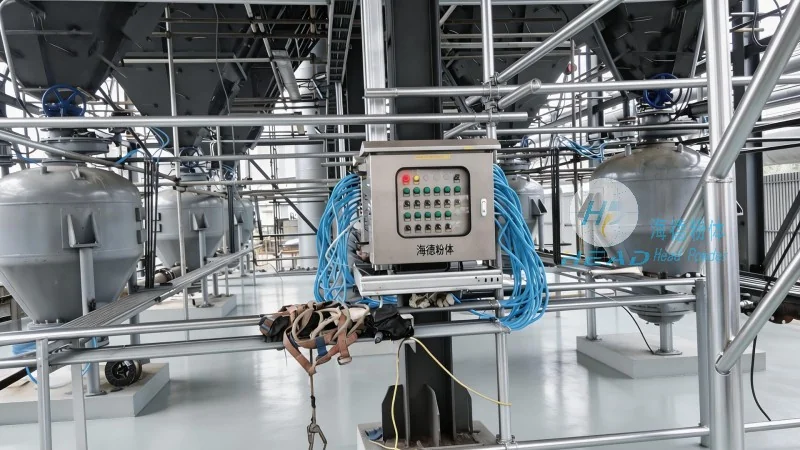
When selecting a transportation method for nitrile rubber, it is essential to consider environmental and safety factors. Nitrile rubber is generally non-toxic, but it can be harmful if inhaled in large quantities or if it comes into contact with skin for extended periods. Therefore, any transportation method must include proper ventilation and protective measures to ensure the safety of workers. Additionally, the transportation of nitrile rubber should be done in a way that minimizes environmental impact, such as using reusable containers or reducing the use of solvents in the process. The choice of transportation method should also take into account the potential for spills or leaks, as these can cause environmental damage or health risks. By considering these factors, businesses can ensure that the transportation of nitrile rubber is both efficient and safe, protecting both their employees and the environment.
6. Choosing the Right Transportation Method for Your Needs
Ultimately, the choice of nitrile rubber transportation method depends on the specific requirements of the application. For short-distance transport of powdered nitrile rubber, pneumatic conveying may be the most suitable option. For bulk liquid transport, hydraulic pumping is a reliable choice. For large volumes over long distances, bulk container transport is often the best solution. Specialized handling equipment may be necessary for solid blocks, and environmental and safety considerations should always be taken into account. By evaluating the characteristics of the nitrile rubber, the distance of transport, and the required delivery speed, businesses can select the most appropriate transportation method. This approach ensures that the nitrile rubber is transported efficiently, safely, and in a way that maintains its quality, ultimately contributing to the success of the final product.

 Công ty TNHH Kỹ thuật Công trình Bột Hải Đức Sơn Đông
 156-6277-7102(Quản lý Trương)
  0531-83386006
  Quận Chương Khâu, Thành phố Tế Nam, Tỉnh Sơn Đông, Trung Quốc
Điện thoại
WeChatTư vấn
Lên đầu