Công ty Hải Đức Bột với hơn 10 năm kinh nghiệm vận chuyển khí, cung cấp hệ thống‑thiết bị‑quạt gió và nhận dự án tổng thầu bột cả nước
Ternary materials, commonly used in lithium-ion battery cathodes, require efficient and reliable transport solutions to ensure smooth production processes. The methods for transporting these materials vary based on factors such as material properties, production scale, and operational environment. Below are the primary transport methods utilized in the industry, highlighting their applications and benefits.
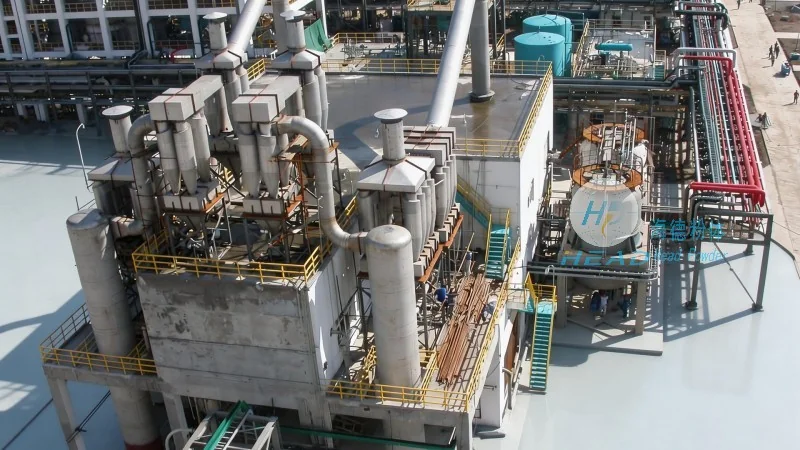
1. Screw Conveyors for Ternary Material Handling
One of the most common methods for transporting ternary materials is through screw conveyors. These devices use a rotating helical screw to move material along a tube or trough. Screw conveyors are particularly effective for handling dry, free-flowing materials like ternary powders, as they can maintain a consistent flow without the need for external air or pressure. The design allows for vertical or horizontal transport, making them versatile for different production layouts. For companies like Shandong HeadPowder Engineering Co., Ltd., screw conveyors are often integrated into material handling systems to ensure seamless transfer from storage to processing equipment.
2. Pneumatic Conveying Systems
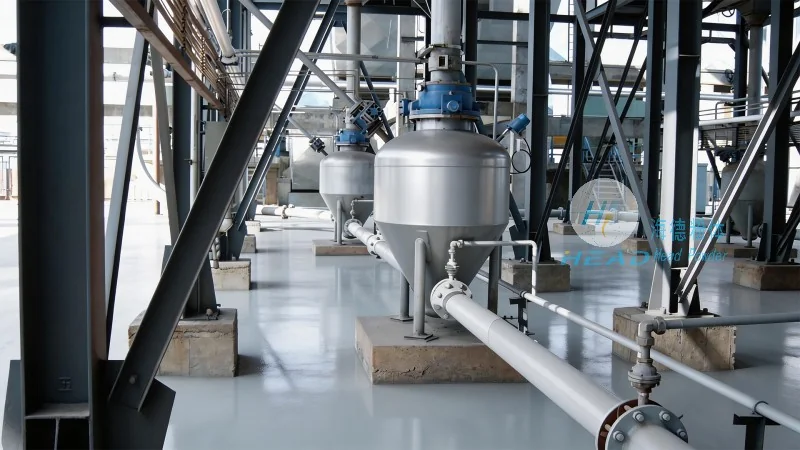
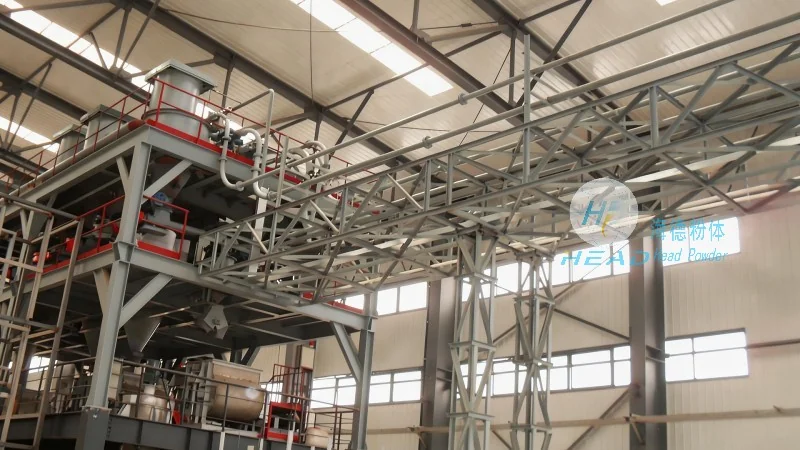
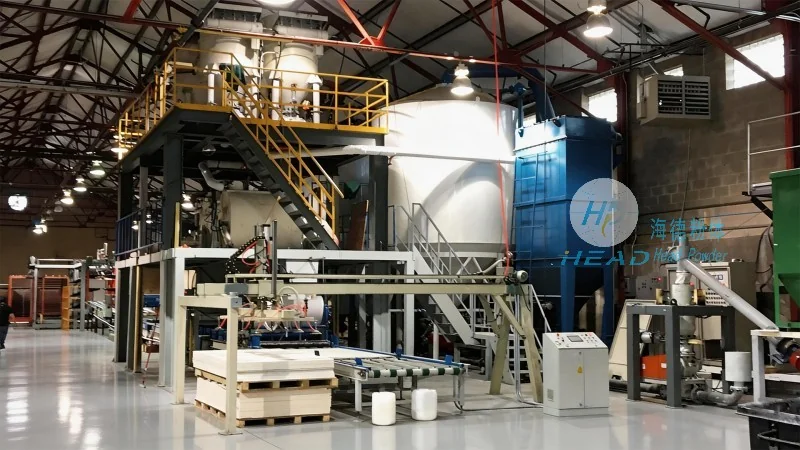
Another widely used method is pneumatic conveying, which uses air or other gases to transport materials through a pipeline. This system is ideal for transporting fine powders, including ternary materials, as it minimizes dust exposure and contamination. Pneumatic conveyors can be classified into two main types: pressure and vacuum systems. Pressure systems push material through the line using compressed air, while vacuum systems draw material into the line using a vacuum pump. The choice between these depends on the distance and volume of material to be transported. For large-scale operations, pneumatic systems offer high throughput and can be automated, reducing labor costs and improving safety by eliminating manual handling of powders.
3. Belt Conveyors in Ternary Material Transport
Belt conveyors are another option for transporting ternary materials, especially in applications requiring longer distances or bulk material handling. These systems consist of a continuous belt that moves material along a path, supported by rollers or idlers. Belt conveyors are suitable for both dry and slightly sticky materials, though they may require additional measures to prevent material buildup or spillage. The design allows for horizontal, inclined, or even vertical transport, depending on the configuration. In industrial settings, belt conveyors are often combined with other equipment, such as hoppers or feeders, to create a complete material handling line. For Shandong HeadPowder Engineering Co., Ltd., belt conveyors are used to transport larger quantities of ternary materials from storage silos to production lines, ensuring consistent and efficient material flow.

 Công ty TNHH Kỹ thuật Công trình Bột Hải Đức Sơn Đông
 156-6277-7102(Quản lý Trương)
  0531-83386006
  Quận Chương Khâu, Thành phố Tế Nam, Tỉnh Sơn Đông, Trung Quốc
Điện thoại
WeChatTư vấn
Lên đầu