Công ty Hải Đức Bột với hơn 10 năm kinh nghiệm vận chuyển khí, cung cấp hệ thống‑thiết bị‑quạt gió và nhận dự án tổng thầu bột cả nước
When it comes to transporting cement slurry, various methods are employed across different industries to ensure efficient and reliable material movement. Understanding these common approaches is crucial for selecting the right solution for specific project requirements. This article explores several widely used methods for cement slurry transportation, highlighting their applications and advantages.
1. Pipeline Transportation with Pumps
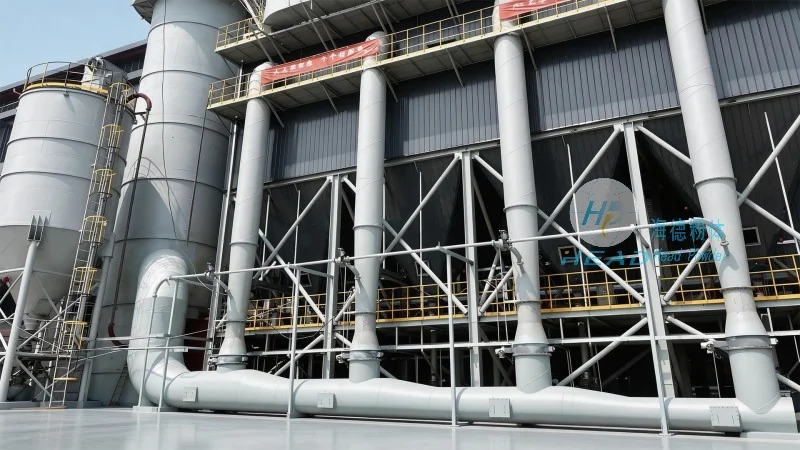
One of the most common methods for cement slurry transportation is through pipelines, often utilizing high-pressure pumps. This approach is widely adopted in construction projects, especially for long-distance or large-scale applications. The process involves pumping the cement slurry through a network of pipes, which can be made from materials such as steel or high-density polyethylene (HDPE) to withstand the pressure and abrasiveness of the slurry. Pumps, typically centrifugal or positive displacement types, are used to maintain the flow and pressure required to move the material. This method offers advantages like continuous operation, reduced labor costs, and the ability to transport large volumes of cement slurry over extended distances. It is particularly effective in situations where the project site is remote or where the slurry needs to be delivered to multiple points.
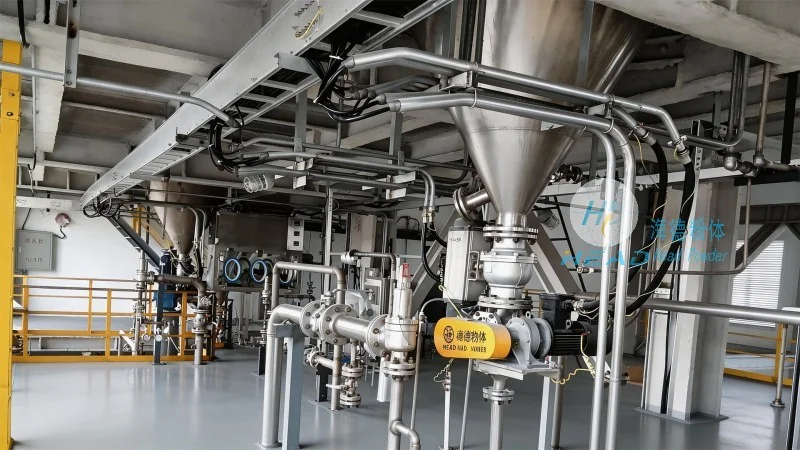
2. Truck-Mounted Concrete Mixers
Truck-mounted concrete mixers are another prevalent method for transporting cement slurry, especially for shorter distances or on-site applications. These vehicles combine mixing and transportation capabilities, allowing for on-demand delivery of freshly mixed cement slurry. The mixer truck typically consists of a large drum that continuously rotates to keep the slurry from settling and maintaining its consistency. The drum can be equipped with agitators to ensure the cement and other additives are well-mixed. This method is advantageous for projects that require frequent or on-site mixing, as it eliminates the need for pre-mixed materials and reduces waiting times. Truck-mounted mixers are commonly used in residential, commercial, and infrastructure projects where the distance between the mixing plant and the construction site is relatively short, typically within a few kilometers.
3. Bagged or Bulk Storage and Handling
For smaller-scale or localized applications, bagged or bulk storage and handling methods are often used for cement slurry transportation. In this approach, the cement slurry is stored in large bags or bulk containers, which can be transported using forklifts, pallet jacks, or specialized handling equipment. This method is suitable for projects that require smaller quantities of cement slurry or where the site has limited access for larger vehicles. The bags are typically made from durable materials like polyethylene to prevent leakage and maintain the quality of the slurry. Handling these bags requires careful attention to avoid spills and ensure proper storage conditions. This method is particularly useful in situations where the slurry needs to be transported to specific work areas without the need for extensive piping or pumping systems.
4. Gravity Flow Systems
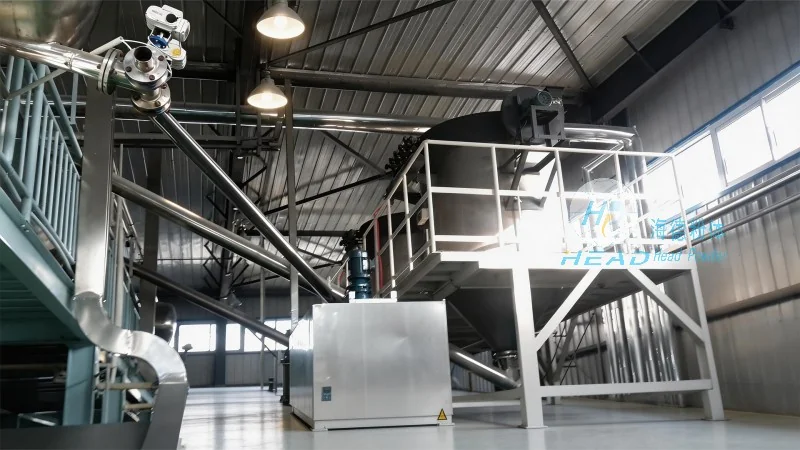
Gravity flow systems represent a more specialized method for cement slurry transportation, relying on the natural force of gravity to move the material. These systems are often used in projects where the terrain allows for a downhill slope or where the distance is short enough to utilize gravity as the primary driving force. The setup typically includes a storage tank at a higher elevation, from which the cement slurry flows through a pipeline to a lower point of use. This method eliminates the need for pumps, reducing energy consumption and operational costs. However, it is limited by the available topography and the need for a suitable slope. Gravity flow systems are commonly employed in mining operations, where the slurry needs to be transported from a processing plant to a disposal site or in some construction applications where the site layout facilitates such a flow.
5. Specialized Equipment for High-Viscosity Slurries
For high-viscosity cement slurries, specialized equipment is often required to ensure effective transportation. This includes the use of auger pumps, screw conveyors, or other machinery designed to handle thick, viscous materials. Auger pumps, for example, use a rotating screw to move the slurry through a tube, providing consistent flow even at low speeds. Screw conveyors are another option, using a rotating screw to transport the material along a trough. These methods are particularly useful when dealing with slurries that have high solid content or are prone to settling. The choice of equipment depends on the specific properties of the slurry, such as its viscosity, density, and particle size. Specialized equipment ensures that the slurry is transported without degradation or separation of components, maintaining its quality throughout the process.
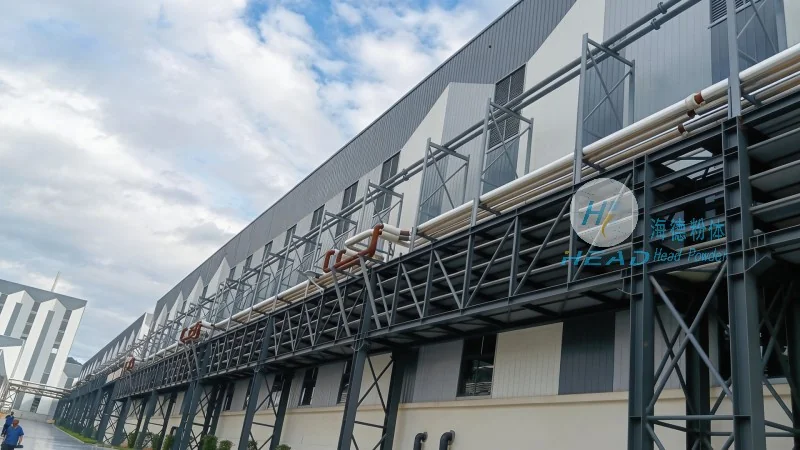
Company Information and Services
Shandong HeadPowder Engineering Co., Ltd., a leading provider in the cement slurry transportation industry, offers comprehensive solutions tailored to various project needs. With a focus on innovation and quality, HeadPowder provides a range of equipment and services, including pipeline systems, truck-mounted mixers, and specialized handling equipment. The company’s expertise in cement slurry technology ensures that clients receive reliable and efficient solutions for their transportation requirements. HeadPowder’s commitment to customer satisfaction and technical excellence has made it a trusted partner in the construction and industrial sectors. Whether for large-scale infrastructure projects or smaller on-site applications, HeadPowder delivers solutions that meet the highest standards of performance and durability.

 Công ty TNHH Kỹ thuật Công trình Bột Hải Đức Sơn Đông
 156-6277-7102(Quản lý Trương)
  0531-83386006
  Quận Chương Khâu, Thành phố Tế Nam, Tỉnh Sơn Đông, Trung Quốc
Điện thoại
WeChatTư vấn
Lên đầu