Công ty Hải Đức Bột với hơn 10 năm kinh nghiệm vận chuyển khí, cung cấp hệ thống‑thiết bị‑quạt gió và nhận dự án tổng thầu bột cả nước
When it comes to the transportation of dry lime, various methods are employed to ensure efficient and safe delivery. Understanding these common approaches is crucial for industries that rely on lime for processes such as flue gas desulfurization, water treatment, and construction. This article explores the primary methods used for dry lime transportation, highlighting their advantages and applications.
1. Pneumatic Conveying Systems
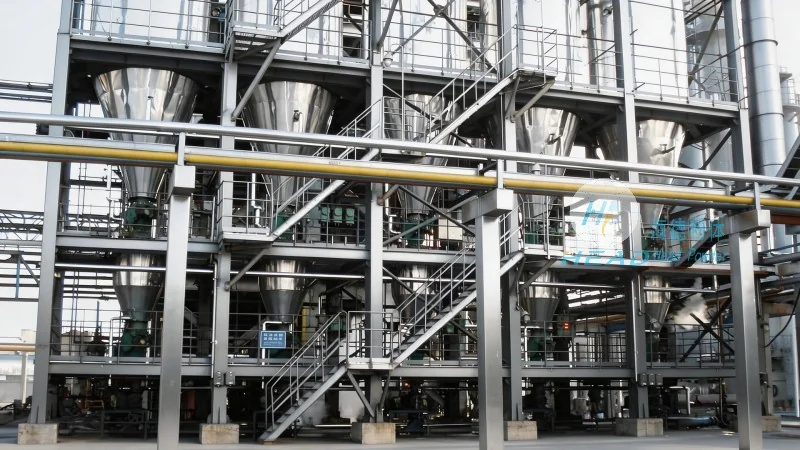
Pneumatic conveying systems are widely used for dry lime transportation due to their ability to handle fine powders and transport materials over long distances without the need for mechanical components like belts or buckets. These systems utilize air pressure to move dry lime through a network of pipes. There are two main types: pressure and vacuum systems. Pressure systems use compressed air to push the material forward, while vacuum systems create a negative pressure to draw the material into the system. The choice between these depends on the distance, material characteristics, and desired flow rate. Pneumatic conveying is particularly effective for handling dry lime with high moisture content or when dust control is a priority, as the enclosed system minimizes environmental impact.
2. Belt Conveyors
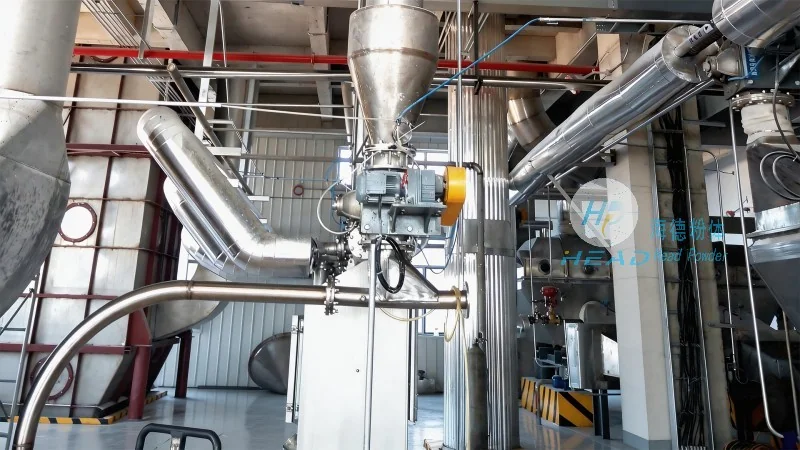
Belt conveyors are a classic and reliable method for transporting dry lime, especially in bulk quantities. They consist of a continuous belt that moves over rollers or pulleys, carrying the dry lime from one location to another. This method is suitable for horizontal and slightly inclined transport, making it ideal for industrial settings where large volumes of dry lime need to be moved over short to medium distances. Belt conveyors are often used in combination with storage silos or processing equipment, providing a seamless flow from storage to the point of use. The key advantage of belt conveyors is their high capacity and low maintenance requirements, which makes them a cost-effective solution for many applications. However, they may not be suitable for very fine or cohesive dry lime, as the material can stick to the belt or cause blockages.
3. Screw Conveyors
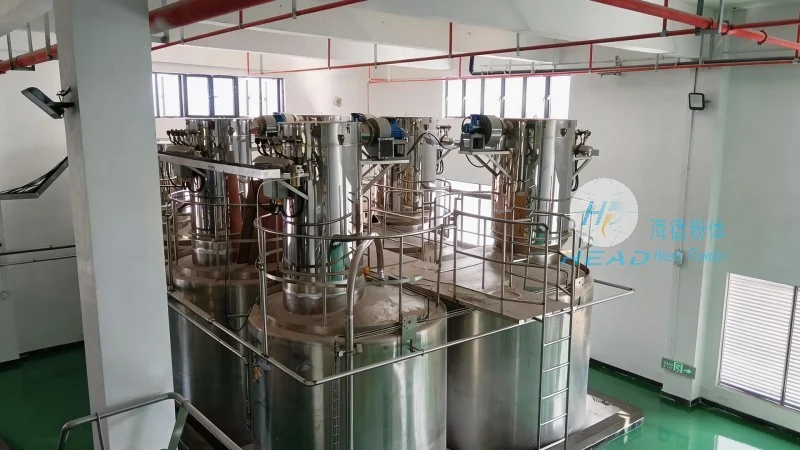
Screw conveyors, also known as auger conveyors, are another common method for transporting dry lime. These systems use a rotating screw (auger) to move the material along a trough. The screw is typically made of stainless steel or other corrosion-resistant materials to handle the chemical properties of dry lime. Screw conveyors are well-suited for vertical or inclined transport, allowing dry lime to be lifted from lower to higher levels without the need for additional equipment. They are particularly effective for handling dry lime that is prone to caking or clumping, as the screw's rotation helps break up agglomerates and maintain a consistent flow. Screw conveyors are often used in conjunction with hoppers or feeders to control the material flow rate, ensuring smooth operation in processing plants. Their compact design and ability to operate in confined spaces make them a popular choice for many industrial applications.
4. Hydraulic Conveying
Hydraulic conveying systems use water to transport dry lime, which is then separated from the water at the destination. This method is particularly useful for transporting dry lime over long distances or in areas with challenging terrain. The dry lime is mixed with water to form a slurry, which is pumped through pipelines. At the receiving end, the slurry is processed to separate the dry lime from the water, often using centrifuges or filters. Hydraulic conveying is effective for handling dry lime with high moisture content or when the material is too fine for pneumatic systems. However, it requires additional equipment for slurry processing and may not be suitable for applications where water contamination is a concern. The system is generally more complex and higher in cost compared to pneumatic or belt conveyors, but it offers the advantage of transporting dry lime over very long distances without the need for intermediate storage.
5. Storage and Handling Considerations
Regardless of the transportation method chosen, proper storage and handling of dry lime are essential to maintain its quality and prevent degradation. Dry lime is hygroscopic, meaning it absorbs moisture from the air, which can lead to clumping and reduced effectiveness. Therefore, storage silos or hoppers should be equipped with airtight covers and moisture barriers to minimize exposure to the environment. The storage facility should also be designed to prevent dust accumulation, as dry lime dust can be a health hazard and may cause equipment malfunctions. For industries such as power plants or water treatment facilities, the transportation system should be integrated with the processing equipment to ensure a continuous and efficient flow of dry lime. Regular maintenance of the transportation equipment is also crucial to prevent breakdowns and ensure consistent performance.
6. Choosing the Right Method for Your Application
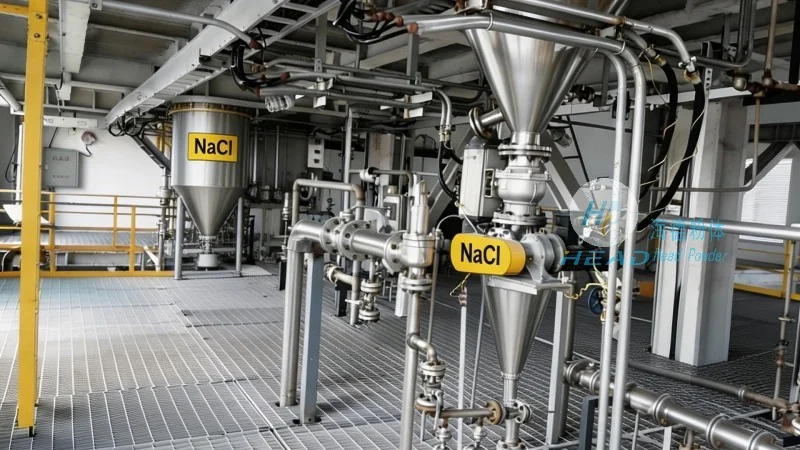
The selection of the most appropriate dry lime transportation method depends on several factors, including the distance to be covered, the volume of dry lime to be transported, the material characteristics (such as fineness and moisture content), and the specific requirements of the application. For short distances and large volumes, belt conveyors may be the most cost-effective option. For long distances or fine powders, pneumatic conveying systems are often preferred. Vertical transport or handling of cohesive materials may require screw conveyors, while hydraulic systems are suitable for very long distances or challenging terrain. It is important to consider the overall system cost, including equipment, installation, and maintenance, as well as the environmental impact and safety considerations when making a decision.
Shandong HeadPowder Engineering Co., Ltd., a leading provider of dry lime processing and transportation solutions, offers a range of equipment and systems tailored to meet the specific needs of various industries. With years of experience in the field, the company understands the importance of efficient and reliable dry lime transportation and provides customized solutions to ensure optimal performance and cost-effectiveness. Whether you need a pneumatic conveying system, a belt conveyor, or a screw conveyor, HeadPowder Engineering can help you choose the right method for your application and provide the necessary support throughout the process.

 Công ty TNHH Kỹ thuật Công trình Bột Hải Đức Sơn Đông
 156-6277-7102(Quản lý Trương)
  0531-83386006
  Quận Chương Khâu, Thành phố Tế Nam, Tỉnh Sơn Đông, Trung Quốc
Điện thoại
WeChatTư vấn
Lên đầu