Công ty Hải Đức Bột với hơn 10 năm kinh nghiệm vận chuyển khí, cung cấp hệ thống‑thiết bị‑quạt gió và nhận dự án tổng thầu bột cả nước
When it comes to transporting polyethylene, there are several effective methods that can be employed depending on the specific application, material properties, and operational requirements. Understanding these methods is crucial for optimizing the efficiency and safety of polyethylene handling processes. This article explores the primary approaches used for polyethylene transportation, providing insights into how each method works and its suitability for different scenarios.
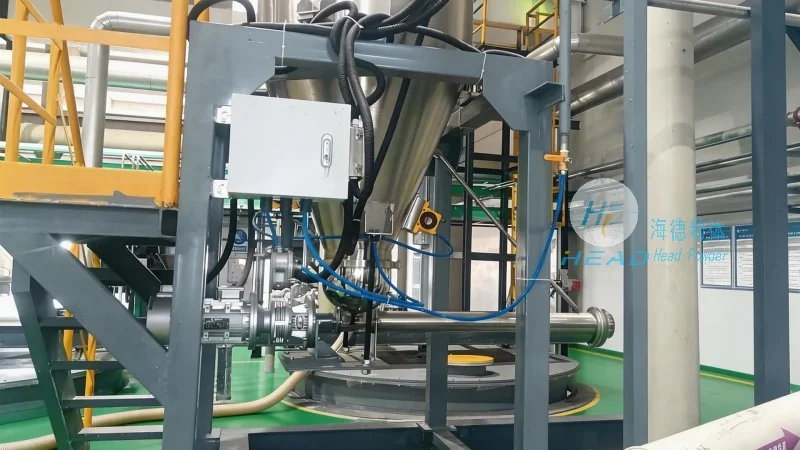
1. Pneumatic Conveying Systems
Pneumatic conveying systems utilize air or other gases to move polyethylene particles through a network of pipes. This method is particularly suitable for transporting dry polyethylene powders or granules over moderate distances. The system typically consists of a hopper, a conveyor line, and a receiver. Air is introduced under pressure, creating a flow that carries the polyethylene material through the system. Pneumatic conveying offers advantages such as the ability to transport materials in a closed system, reducing dust exposure and contamination risks. It is commonly used in industries like plastics manufacturing and chemical processing where clean and efficient material transfer is essential.
2. Screw Conveyors
Screw conveyors, also known as auger conveyors, are widely used for transporting polyethylene in bulk. These systems consist of a rotating screw inside a tube or trough, which moves the material forward through the conveyor. Screw conveyors are effective for both horizontal and inclined transport, making them versatile for various industrial settings. They are particularly suitable for polyethylene pellets or granules, as the screw design can handle materials with varying sizes and shapes without causing excessive wear. The design of the screw and the speed of rotation can be adjusted to control the flow rate and prevent material buildup. This method is often preferred in applications where continuous and reliable material transport is required, such as in production lines for polyethylene products.
3. Hydraulic Conveying
Hydraulic conveying systems use fluid pressure to transport polyethylene materials. This approach is typically employed for transporting larger polyethylene pieces or pellets that require a more robust handling method. The system involves a pump that circulates a fluid (often water or a specialized hydraulic fluid) through a pipeline, creating a pressure differential that moves the polyethylene. Hydraulic conveying is particularly effective for long-distance transport and can handle materials with higher density or larger particle sizes. It offers advantages such as the ability to transport materials through complex layouts and over uneven terrain. However, it requires careful maintenance of the hydraulic system to ensure consistent performance and prevent leaks or pressure issues.
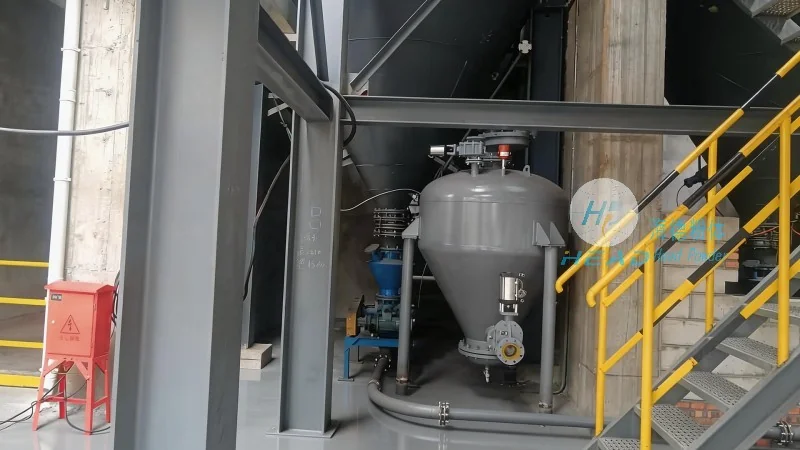
4. Belt Conveyors
Belt conveyors are another common method for transporting polyethylene, especially in bulk handling operations. These systems use a continuous belt that moves over rollers or pulleys to transport the material. Belt conveyors are suitable for both dry and wet polyethylene materials and can handle a wide range of particle sizes. They are often used in combination with other equipment, such as feeders or elevators, to create a complete material handling system. The design of the belt and the speed of the conveyor can be adjusted to control the flow rate and prevent material spillage. Belt conveyors are particularly effective in applications where large volumes of polyethylene need to be transported over long distances, such as in storage facilities or processing plants.
5. Pumping Systems
Pumping systems are used for transporting polyethylene in liquid or slurry form. These systems typically involve a pump that moves the polyethylene through a pipeline, similar to how liquids are pumped. This method is suitable for transporting polyethylene that has been melted or dissolved, such as in the production of polyethylene resins or coatings. Pumping systems can handle high-viscosity materials and are often used in applications where the polyethylene needs to be transported over long distances or through complex piping networks. The choice of pump (e.g., centrifugal, positive displacement) depends on the specific properties of the polyethylene and the required flow rate. Proper maintenance of the pump and pipeline is essential to ensure efficient and reliable operation.
6. Manual Handling and Mechanical Aids
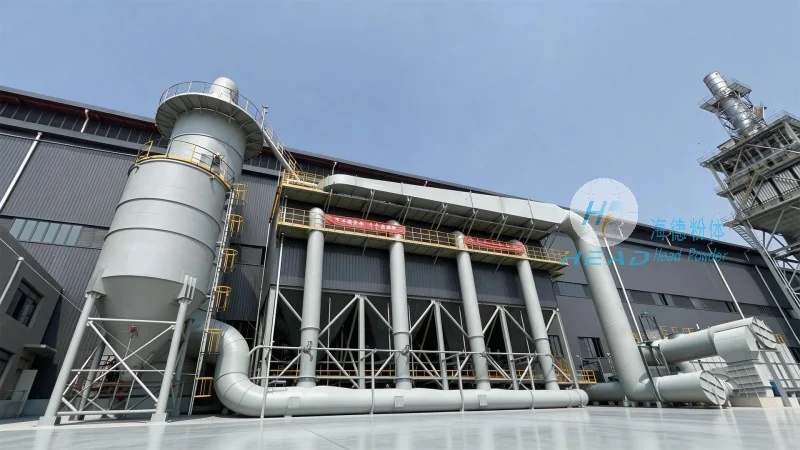
For smaller quantities or in situations where automated systems are not feasible, manual handling and mechanical aids can be used for polyethylene transportation. This includes the use of forklifts, pallet jacks, and conveyor belts with manual controls. Manual handling is often employed in warehouses or small-scale operations where the volume of polyethylene is low. Mechanical aids can help reduce the physical strain on workers and improve the efficiency of material transfer. However, this method is generally less efficient and more labor-intensive compared to automated systems and may not be suitable for large-scale operations.
Factors to Consider When Choosing a Transportation Method
When selecting a method for polyethylene transportation, several factors must be considered to ensure optimal performance and safety. These factors include the physical properties of the polyethylene (e.g., density, particle size, moisture content), the distance and layout of the transport route, the required flow rate, and the environmental conditions. The cost of the equipment and maintenance should also be taken into account. For example, pneumatic conveying may be more suitable for dry powders, while screw conveyors are better for bulk granules. The choice of method should align with the specific needs of the operation to maximize efficiency and minimize risks.
Conclusion
Transporting polyethylene effectively requires careful consideration of the available methods and the specific requirements of the application. Whether using pneumatic, screw, hydraulic, or belt conveyors, each method has its advantages and limitations. By understanding the properties of the polyethylene and the operational constraints, businesses can select the most appropriate transportation method to ensure smooth and efficient material handling. For companies seeking reliable solutions for polyethylene transportation, Shandong HeadPowder Engineering Co., Ltd. offers a range of specialized equipment and expertise to meet their needs. With a focus on quality and innovation, HeadPowder Engineering provides tailored solutions that enhance the efficiency and safety of polyethylene handling processes. Located in Shandong, China, HeadPowder Engineering has established itself as a trusted provider of polyethylene transportation systems, serving industries worldwide with high-performance equipment and professional support.

 Công ty TNHH Kỹ thuật Công trình Bột Hải Đức Sơn Đông
 156-6277-7102(Quản lý Trương)
  0531-83386006
  Quận Chương Khâu, Thành phố Tế Nam, Tỉnh Sơn Đông, Trung Quốc
Điện thoại
WeChatTư vấn
Lên đầu