Công ty Hải Đức Bột với hơn 10 năm kinh nghiệm vận chuyển khí, cung cấp hệ thống‑thiết bị‑quạt gió và nhận dự án tổng thầu bột cả nước
Barium sulfate, a widely used industrial material, requires efficient and reliable transportation methods to ensure its safe delivery to various applications. The choice of transportation method depends on factors such as the scale of operation, the destination, and the specific handling requirements of the material. In this article, we explore the common methods used for barium sulfate transportation, providing insights into the practical approaches employed by industry professionals.
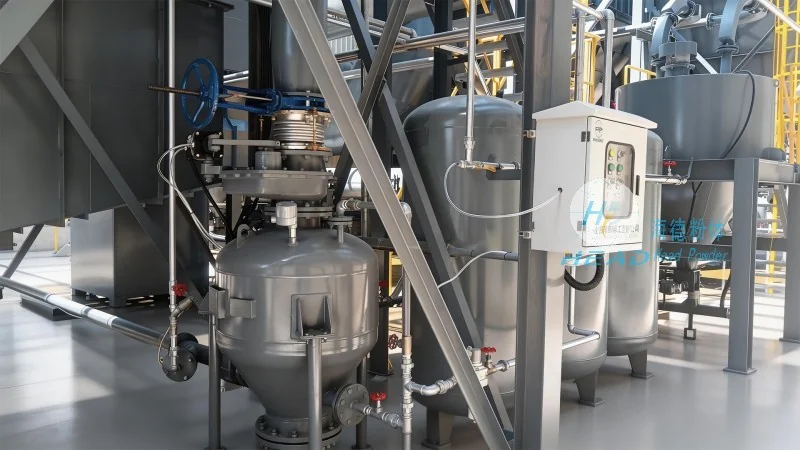
Key Considerations for Barium Sulfate Transportation
Before discussing the specific transportation methods, it is essential to understand the key considerations that influence the selection process. Barium sulfate is a heavy, dense powder that can be challenging to handle due to its physical properties. Factors such as moisture sensitivity, dust generation, and the need for contamination-free delivery are critical. Additionally, regulatory compliance and environmental considerations play a significant role in determining the most suitable transportation approach. Companies like Shandong HeadPowder Engineering Co., Ltd., based in China, specialize in providing tailored solutions that address these challenges, ensuring that barium sulfate is transported safely and efficiently.
Pipeline and Bulk Handling Systems
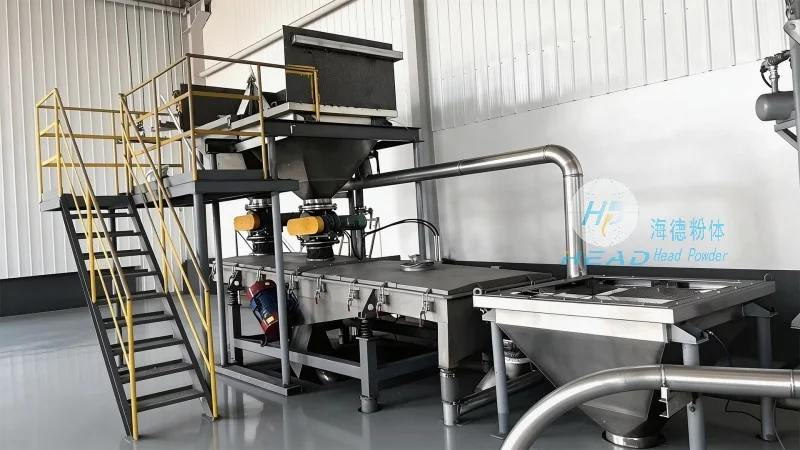
For large-scale industrial applications, pipeline and bulk handling systems are often the most effective methods for barium sulfate transportation. These systems involve the use of specialized equipment, including silos, conveyor belts, and pumping mechanisms, to move the material from production facilities to processing plants or distribution centers. The headpowder company, with its expertise in engineering and material handling, offers comprehensive solutions that include the design and installation of such systems. The pipeline method minimizes material handling at each stage, reducing the risk of contamination and improving overall operational efficiency. This approach is particularly advantageous for continuous production processes where a steady supply of barium sulfate is required.
Pump and Pressure Systems
Another common method for barium sulfate transportation involves the use of pump and pressure systems. These systems utilize positive displacement pumps or centrifugal pumps to move the material through pipelines under controlled pressure. The choice of pump depends on the viscosity and density of the barium sulfate slurry or powder. For dry powder, pneumatic conveying systems may be employed, where compressed air is used to transport the material in a sealed pipeline. This method is effective for short to medium distances and is particularly useful when the material needs to be delivered to specific locations within a facility. The headpowder company's technical team can assist in selecting the appropriate pump type and system configuration to meet the unique demands of each project, ensuring optimal performance and minimal downtime.
Packaging and Containerized Transport
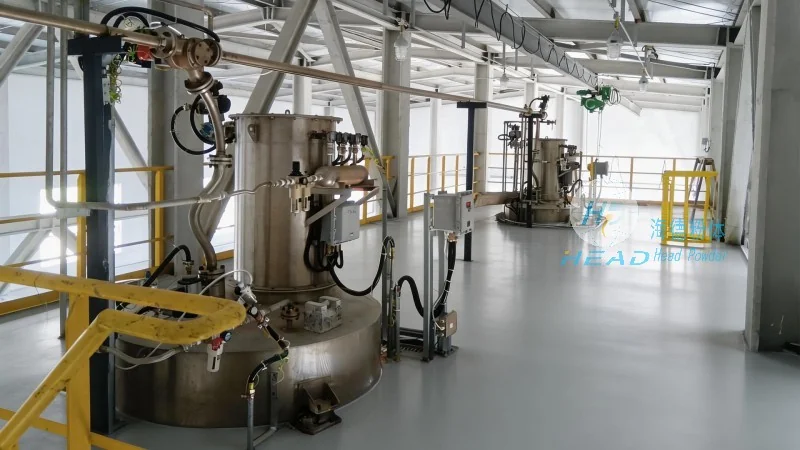
For smaller quantities or when transporting barium sulfate to remote locations, packaging and containerized transport methods are commonly used. The material is typically packaged in sealed bags, drums, or bulk containers to prevent moisture absorption and contamination. The packaging materials must be compatible with the barium sulfate and resistant to the material's chemical properties. Companies like Shandong HeadPowder Engineering Co., Ltd. provide high-quality packaging solutions that meet industry standards, ensuring the integrity of the product during transit. Containerized transport, such as using ISO containers, allows for the efficient movement of large volumes of barium sulfate, especially when shipping to international destinations. This method is particularly useful for customers who require barium sulfate for specific projects or who do not have on-site bulk handling facilities.
Specialized Handling and Logistics
In some cases, specialized handling and logistics methods may be required for barium sulfate transportation. For example, when transporting barium sulfate to construction sites or industrial plants located in remote areas, specialized trucks or railcars equipped with bulk loading systems may be used. These vehicles are designed to handle heavy loads and ensure the safe delivery of the material. The headpowder company collaborates with logistics partners to provide end-to-end transportation solutions, including route planning, loading, and unloading services. This approach ensures that the barium sulfate reaches its destination in optimal condition, ready for use in applications such as drilling fluids, pigments, and medical imaging agents.
Ensuring Compliance and Safety
Throughout the transportation process, compliance with safety and regulatory standards is paramount. Barium sulfate is classified as a hazardous material in some regions due to its potential health effects if inhaled or ingested. Therefore, all transportation methods must adhere to local regulations regarding handling, storage, and disposal. The headpowder company places a strong emphasis on safety and compliance, implementing strict protocols to ensure that all transportation activities meet or exceed industry standards. This includes regular equipment maintenance, training for personnel, and monitoring of transportation processes to identify and mitigate any potential risks. By prioritizing safety and compliance, the company ensures that barium sulfate is transported in a manner that protects both the environment and the health of workers involved in the process.

 Công ty TNHH Kỹ thuật Công trình Bột Hải Đức Sơn Đông
 156-6277-7102(Quản lý Trương)
  0531-83386006
  Quận Chương Khâu, Thành phố Tế Nam, Tỉnh Sơn Đông, Trung Quốc
Điện thoại
WeChatTư vấn
Lên đầu