Công ty Hải Đức Bột với hơn 10 năm kinh nghiệm vận chuyển khí, cung cấp hệ thống‑thiết bị‑quạt gió và nhận dự án tổng thầu bột cả nước
When it comes to the efficient handling and transportation of peanuts in industrial settings, selecting the right conveying method is crucial. The choice of equipment can significantly impact operational efficiency, product quality, and overall cost-effectiveness. This article provides a detailed comparison of common peanut conveying methods, highlighting their advantages and disadvantages, to help businesses make informed decisions.
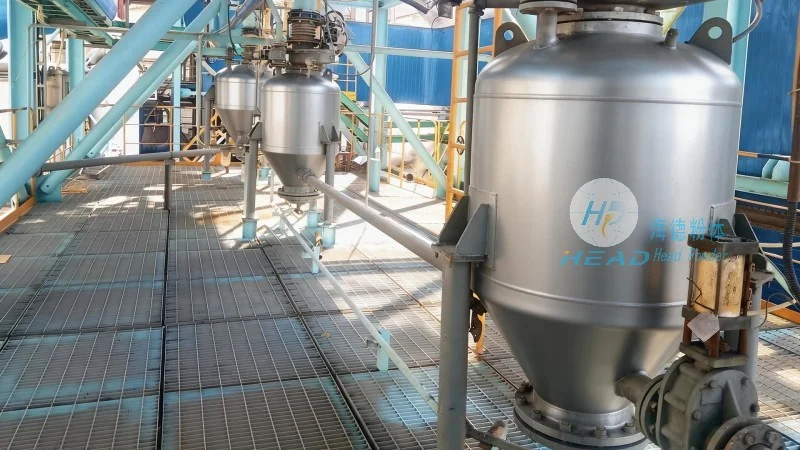
1. Belt Conveyor Systems: A Versatile Solution for Peanut Handling
Belt conveyors are one of the most widely used methods for transporting peanuts due to their versatility and adaptability. These systems consist of a continuous loop of material that moves along a flat or slightly inclined surface, powered by a motor-driven pulley. The primary advantage of belt conveyors is their ability to handle a wide range of peanut types and sizes, from raw peanuts to roasted or shelled products. They are particularly effective for long-distance transportation and can be easily integrated with other processing equipment, such as cleaning, sorting, or packaging systems. The smooth, continuous movement of the belt ensures minimal product damage, preserving the quality and integrity of the peanuts. Additionally, belt conveyors are relatively low-maintenance and can be customized to meet specific operational requirements, including varying speeds and load capacities. However, belt conveyors may not be suitable for very high-volume applications or for transporting peanuts with high moisture content, as this can lead to belt slip or slippage. Moreover, the initial investment cost for belt conveyor systems can be higher compared to other methods, and regular maintenance is required to prevent wear and tear on the belt and pulleys.
2. Screw Conveyor (Auger) Systems: Compact and Efficient for Small-Scale Operations
Screw conveyors, also known as auger conveyors, are an excellent choice for small to medium-scale peanut handling operations. These systems use a rotating screw or auger to move peanuts along a tube or trough. The main advantage of screw conveyors is their compact design, which makes them ideal for spaces with limited vertical or horizontal space. They are particularly effective for vertical lifting of peanuts, allowing for efficient movement from lower to higher levels without the need for additional equipment. Screw conveyors are also relatively simple to install and maintain, with fewer moving parts compared to other systems. This simplicity translates to lower operational costs and reduced downtime. However, screw conveyors may not be suitable for high-volume applications or for transporting peanuts with high moisture content, as this can cause the screw to become clogged or overloaded. Additionally, the continuous rotation of the screw can lead to some product degradation, particularly for delicate or fragile peanuts. The design also limits the ability to handle large or irregularly shaped peanuts, as they may get stuck or cause damage to the screw mechanism.
3. Pneumatic Conveying Systems: High-Speed and Dust-Free for Sensitive Peanuts
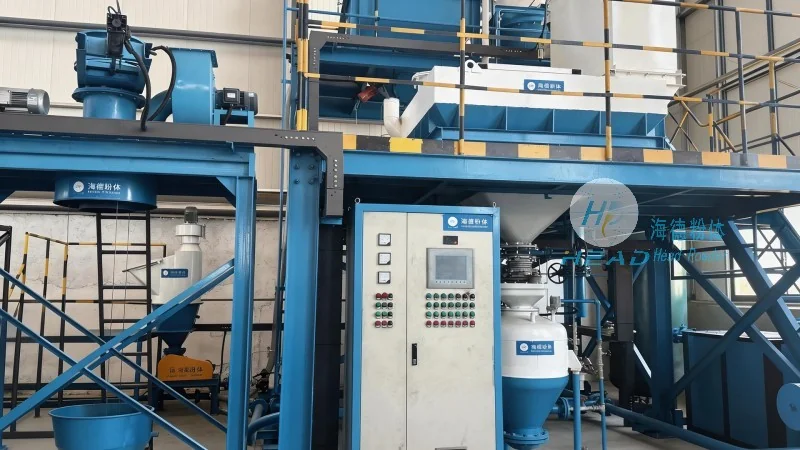
Pneumatic conveying systems use air pressure or vacuum to transport peanuts through a pipeline. This method is particularly suitable for sensitive peanuts that require minimal handling and low product damage. The main advantage of pneumatic conveying is its high speed and ability to transport peanuts over long distances without the need for multiple transfer points. The system is also dust-free, which is beneficial for maintaining product quality and preventing contamination. Pneumatic conveying is ideal for applications where peanuts need to be moved quickly and efficiently, such as in processing plants or for packaging. However, pneumatic conveying systems require a significant amount of energy to operate, as the air pressure or vacuum must be maintained throughout the pipeline. This can increase operational costs, especially for large-scale operations. Additionally, the system may not be suitable for peanuts with high moisture content or for very large peanuts, as this can cause blockages or reduce the efficiency of the conveying process. The initial investment cost for pneumatic conveying systems is also relatively high, and regular maintenance is required to ensure the proper functioning of the air compressors and pipelines.
4. Chain and Flight Conveyors: Robust and Durable for Heavy-Duty Peanut Handling
Chain and flight conveyors are designed for heavy-duty peanut handling applications, particularly in environments with high volume and demanding conditions. These systems use a series of flights attached to a chain that moves peanuts along a trough or conveyor. The main advantage of chain and flight conveyors is their robust construction, which can withstand heavy loads and harsh operating conditions. They are particularly effective for transporting peanuts with high moisture content or for handling large, irregularly shaped peanuts. The system is also capable of handling steep inclines and declines, making it suitable for complex layouts. Chain and flight conveyors are relatively low-maintenance and have a long service life, reducing the need for frequent replacements or repairs. However, these systems may not be suitable for delicate or fragile peanuts, as the flights can cause damage during transport. The initial investment cost is higher compared to other methods, and the system requires regular inspection to prevent wear and tear on the chain and flights. Additionally, the noise level can be higher compared to other conveying systems, which may be a concern in certain operational environments.
5. Comparing the Methods: Choosing the Right Conveying System for Your Business
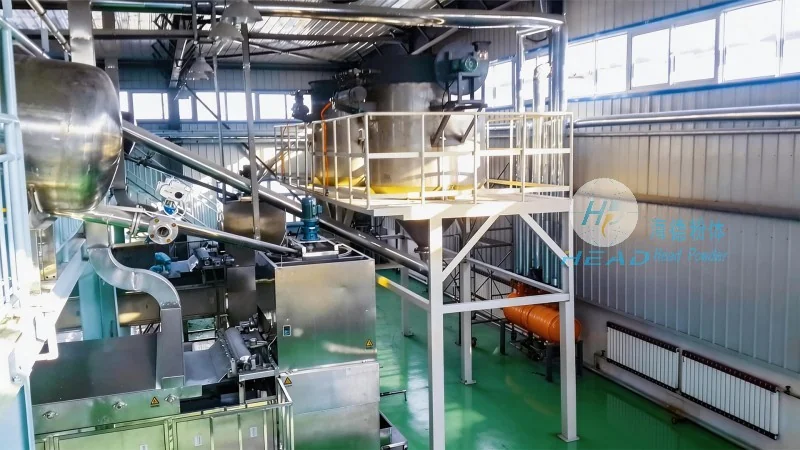
When selecting a peanut conveying method, it is essential to consider several factors, including the volume of peanuts to be transported, the distance of the transport, the peanut characteristics (such as size, shape, and moisture content), and the available space and budget. Belt conveyors are generally the most versatile and cost-effective option for most applications, especially for long-distance and high-volume transport. Screw conveyors are ideal for small-scale operations and vertical lifting, while pneumatic conveying is best for high-speed, dust-free transport of sensitive peanuts. Chain and flight conveyors are suitable for heavy-duty and demanding conditions. By carefully evaluating these factors and understanding the advantages and disadvantages of each method, businesses can choose the most appropriate conveying system to optimize their peanut handling operations.
HeadPowder: Your Trusted Partner in Peanut Conveying Solutions
At Shandong HeadPowder Engineering Co., Ltd., we specialize in providing high-quality conveying systems tailored to the specific needs of peanut processing industries. Our team of experts works closely with clients to understand their operational requirements and recommend the most suitable conveying method. We offer a range of belt conveyors, screw conveyors, pneumatic systems, and chain and flight conveyors, all designed to meet the highest standards of efficiency, durability, and product quality. Our products are manufactured with precision and using high-quality materials, ensuring long service life and minimal maintenance. We also provide comprehensive after-sales support, including installation, maintenance, and repair services, to ensure that our clients can operate their conveying systems efficiently and reliably. With our commitment to excellence and customer satisfaction, HeadPowder is the ideal partner for businesses looking to enhance their peanut handling operations and improve overall productivity.

 Công ty TNHH Kỹ thuật Công trình Bột Hải Đức Sơn Đông
 156-6277-7102(Quản lý Trương)
  0531-83386006
  Quận Chương Khâu, Thành phố Tế Nam, Tỉnh Sơn Đông, Trung Quốc
Điện thoại
WeChatTư vấn
Lên đầu