Công ty Hải Đức Bột với hơn 10 năm kinh nghiệm vận chuyển khí, cung cấp hệ thống‑thiết bị‑quạt gió và nhận dự án tổng thầu bột cả nước
For chili pepper processing facilities, selecting the right conveying system is crucial for efficiency, product quality, and operational costs. The choice of conveying method directly impacts how chili peppers are moved from one stage of processing to another, such as from storage to grinding, or from sorting to packaging. This article provides a detailed comparison of common chili pepper conveying methods, examining their advantages and disadvantages to help processors make informed decisions.
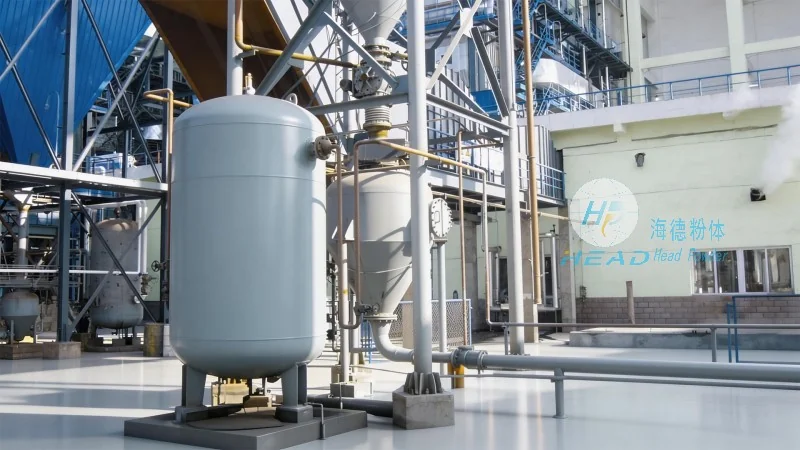
1. Screw Conveyors: The Traditional Workhorse
Screw conveyors, also known as auger conveyors, are among the most widely used systems for transporting chili peppers. These systems consist of a rotating helical screw inside a U-shaped or cylindrical housing. The screw rotates, pushing the chili peppers forward along the conveyor. HeadPowder, a leading manufacturer based in Shandong, China, offers high-quality screw conveyors designed specifically for chili pepper handling. The advantages of screw conveyors include their simplicity, low maintenance requirements, and ability to handle a wide range of materials, including wet or sticky chili peppers. They are also relatively inexpensive and can be easily installed in existing processing lines. However, screw conveyors have some limitations. They are not suitable for transporting very dry or powdery chili peppers, as the material may not move effectively. Additionally, they can cause some product degradation due to friction and compression, which may affect the final quality of the chili products. Another drawback is that they are not ideal for long-distance transport, as the material may lose momentum and require additional drives.
2. Pneumatic Conveying Systems: The Air-Driven Solution
Pneumatic conveying systems use air pressure to move chili peppers through a network of pipes. These systems can be categorized into two types: pressure and vacuum. Pressure systems use compressed air to push the material forward, while vacuum systems use suction to draw the material into the pipes. HeadPowder specializes in designing and manufacturing pneumatic conveying systems tailored for chili pepper processing. One of the main advantages of pneumatic conveying is its ability to transport chili peppers over long distances without the need for multiple transfer points. This can reduce the risk of contamination and improve overall efficiency. Pneumatic systems are also gentle on the product, minimizing damage and preserving the quality of the chili peppers. They can handle a variety of materials, including whole peppers, ground chili, and even spices mixed with chili. However, pneumatic conveying has some significant drawbacks. The most notable is the high energy consumption, as compressed air requires substantial power. Additionally, the system can be complex to install and maintain, especially for large-scale operations. Another issue is that it may not be suitable for very wet or sticky chili peppers, as the material may clog the pipes. Furthermore, the cost of the system is generally higher than that of other conveying methods, which may be a barrier for smaller processing facilities.
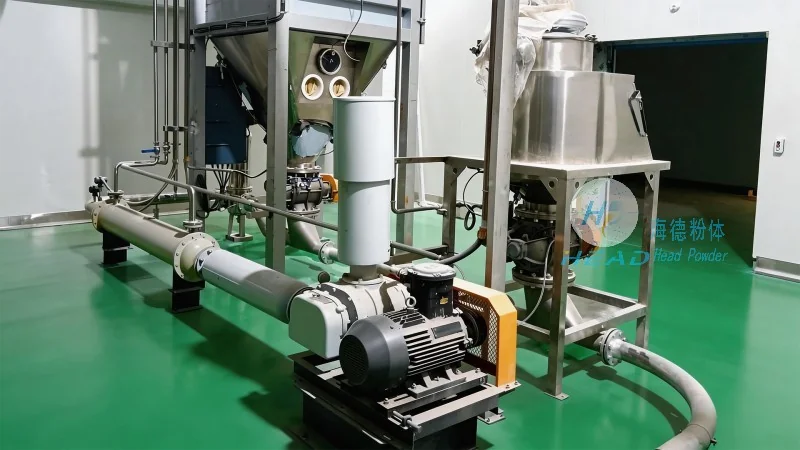
3. Belt Conveyors: The Versatile and Durable Option
Belt conveyors use a continuous belt to transport chili peppers from one location to another. The belt is typically made of rubber or plastic and is supported by rollers. Chili peppers are placed on the belt and move along with it. HeadPowder offers robust belt conveyors designed for heavy-duty chili pepper handling. The advantages of belt conveyors include their high capacity and ability to transport large volumes of material quickly. They are also very durable and can withstand the harsh conditions often found in chili processing facilities, such as high temperatures and moisture. Belt conveyors are versatile and can be used for both horizontal and inclined transport, making them suitable for various processing stages. However, belt conveyors have some limitations. They require more space than other systems, as the belt and rollers take up additional room. The initial cost is also higher compared to screw or pneumatic conveyors. Another drawback is that they may cause some product damage due to friction between the belt and the chili peppers, especially if the belt is not properly maintained. Additionally, the system can be noisy, which may affect the working environment in the processing plant.
4. Chain Conveyors: The Heavy-Duty Transport Solution
Chain conveyors use a series of chains with attached buckets or plates to transport chili peppers. The chains move along a frame, and the buckets or plates carry the material forward. HeadPowder provides heavy-duty chain conveyors suitable for large-scale chili pepper processing. The advantages of chain conveyors include their high load capacity and ability to handle very heavy or bulky chili peppers. They are also very durable and can withstand the demanding conditions of chili processing, such as high temperatures and moisture. Chain conveyors are ideal for transporting large quantities of whole chili peppers or other heavy materials. However, chain conveyors have some significant drawbacks. They are more complex and expensive to install and maintain compared to other systems. The maintenance requirements are higher, as the chains and buckets need regular inspection and replacement. Another issue is that they can cause more product damage due to the impact of the buckets or plates on the chili peppers. Additionally, the system is not suitable for very fine or powdery chili products, as the material may fall through the gaps between the chains.
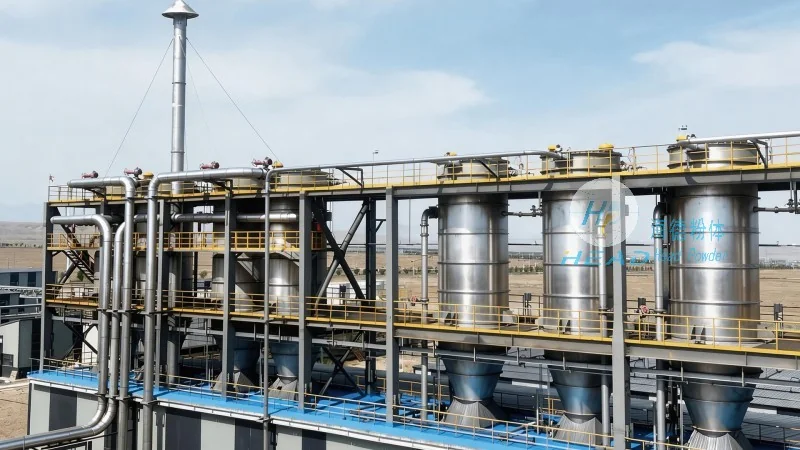
5. Comparing the Methods: Which is Right for Your Facility?
When choosing a chili pepper conveying system, it is essential to consider several factors, including the type of chili peppers being processed, the distance they need to be transported, the capacity required, and the budget available. Screw conveyors are a good choice for short-distance transport of whole or semi-moist chili peppers, while pneumatic systems are ideal for long-distance transport of various materials. Belt conveyors are suitable for high-volume transport in horizontal or inclined directions, and chain conveyors are best for heavy-duty applications. HeadPowder, with its expertise in chili pepper processing equipment, can help processors select the most appropriate conveying system based on their specific needs. By understanding the advantages and disadvantages of each method, processors can make an informed decision that maximizes efficiency, product quality, and cost-effectiveness.

 Công ty TNHH Kỹ thuật Công trình Bột Hải Đức Sơn Đông
 156-6277-7102(Quản lý Trương)
  0531-83386006
  Quận Chương Khâu, Thành phố Tế Nam, Tỉnh Sơn Đông, Trung Quốc
Điện thoại
WeChatTư vấn
Lên đầu