Công ty Hải Đức Bột với hơn 10 năm kinh nghiệm vận chuyển khí, cung cấp hệ thống‑thiết bị‑quạt gió và nhận dự án tổng thầu bột cả nước
When it comes to transporting soap pellets, selecting the right conveying method is crucial for efficiency, cost-effectiveness, and product integrity. The choice of system impacts not only operational performance but also the overall quality of the soap pellets during transit. Various methods are available, each with its own set of advantages and limitations. Understanding these options helps businesses make informed decisions that align with their production needs and operational goals.
Common Conveying Methods for Soap Pellets
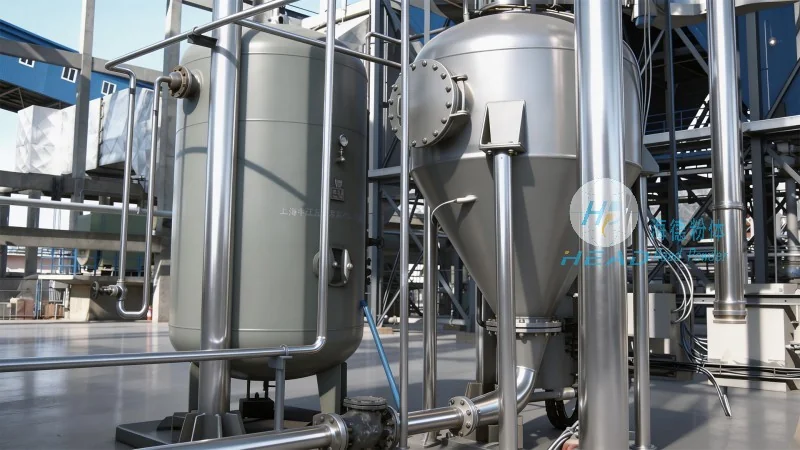
Several conventional methods are widely used in the soap manufacturing industry for pellet transport. These include gravity-based systems, mechanical conveyors like belt or screw conveyors, and pneumatic conveying systems. Each method operates on different principles and is suitable for specific scenarios based on factors such as material properties, distance, and environmental considerations.
Gravity Conveying Systems
Gravity conveyors rely on the natural force of gravity to move soap pellets from one location to another. These systems typically consist of inclined chutes or hoppers that allow the pellets to flow downwards without the need for external power. While simple and low-cost, gravity conveyors have limitations. They are only effective for short distances and when the pellets have sufficient mass and are not too fine or dusty. Additionally, they require careful design to ensure smooth flow and prevent blockages or segregation of the pellets. For soap pellets, which can be irregular in shape and vary in density, gravity systems may not always provide consistent performance.
Mechanical Conveyors (Belt and Screw)
Mechanical conveyors, including belt and screw conveyors, use mechanical components to transport soap pellets. Belt conveyors utilize a continuous belt that moves the pellets along a path, often with the help of idlers and pulleys. Screw conveyors, on the other hand, use a rotating screw to push the pellets forward. These systems are reliable and can handle a wide range of materials, including abrasive or sticky substances like soap pellets. They are suitable for moderate distances and can be integrated into existing production lines. However, mechanical conveyors have drawbacks, such as higher maintenance costs, potential for product degradation due to friction, and the need for regular cleaning to prevent buildup. Moreover, they may not be suitable for long-distance transport or when the pellets need to be handled in a dust-free environment.
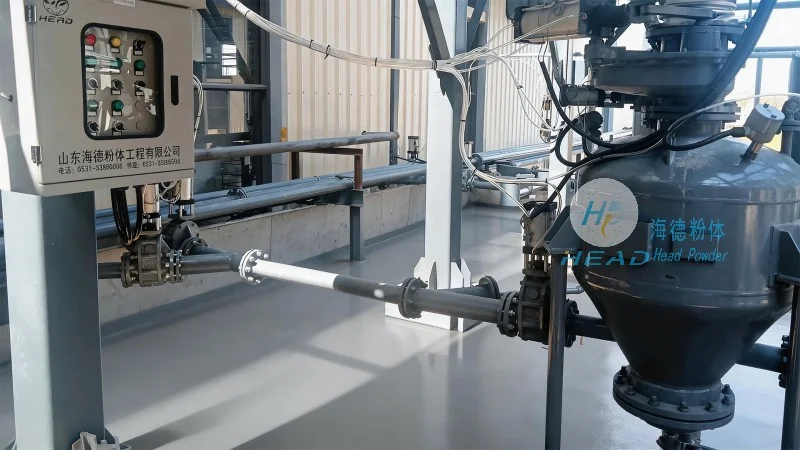
Pneumatic Conveying Systems: The Modern Solution
Pneumatic conveying systems, which use air pressure to transport materials, have become increasingly popular in the soap pellet industry. These systems offer a flexible and efficient solution for moving pellets over long distances, even in complex layouts. Pneumatic conveyors can be categorized into two main types: pressure and vacuum systems. Pressure systems use compressed air to push the pellets through a pipeline, while vacuum systems use a vacuum to pull the pellets into the system. Both types can be adapted to handle various pellet sizes and shapes, including irregular or lightweight soap pellets.
HeadPowder Pneumatic Conveying System: Advantages and Features
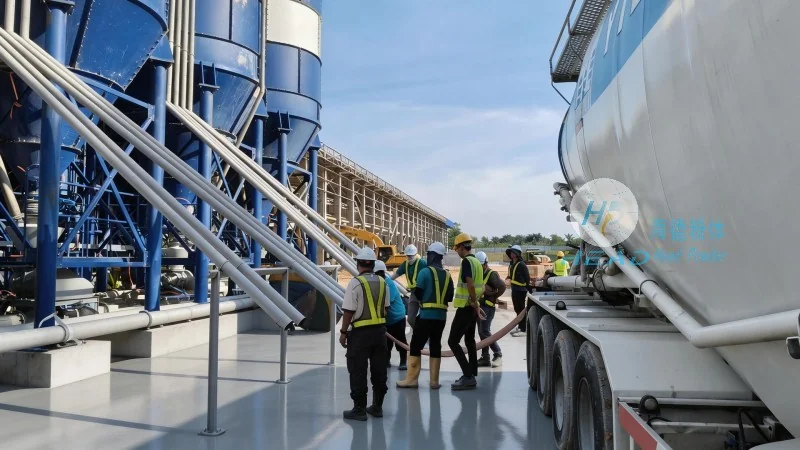
Among the various pneumatic conveying solutions available, the HeadPowder pneumatic conveying system stands out for its superior performance and reliability. Developed by Shandong HeadPowder Engineering Co., Ltd., a leading manufacturer based in China, this system is specifically designed to address the unique challenges of soap pellet transport. The system incorporates advanced technology and robust components to ensure efficient, low-damage, and cost-effective conveying of soap pellets.
Key Advantages of the HeadPowder Pneumatic Conveying System
The HeadPowder pneumatic conveying system offers several key advantages that make it an ideal choice for soap pellet transport. First, it provides high conveying efficiency, capable of moving large volumes of soap pellets over long distances with minimal energy consumption. The system uses optimized air flow and pipeline design to ensure consistent and reliable transport, reducing downtime and increasing overall productivity. Second, it minimizes product damage. Unlike mechanical conveyors, which can cause abrasion or compression, pneumatic systems use air to gently move the pellets, preserving their shape and quality. This is particularly important for soap pellets, which may be sensitive to physical stress. Third, the system is highly flexible and adaptable. It can be configured to handle different pellet sizes, shapes, and production rates, making it suitable for various soap manufacturing processes. The modular design allows for easy expansion or modification as production needs change. Fourth, it offers excellent dust control. By enclosing the conveying process, the system prevents dust from escaping into the environment, maintaining a clean and safe working environment. This is crucial for soap manufacturing, where dust can affect product quality and worker health. Finally, the HeadPowder system is cost-effective. Although the initial investment may be higher than some conventional systems, the long-term operational costs are lower due to reduced maintenance, lower energy consumption, and higher efficiency. The system’s durability and reliability reduce the need for frequent repairs and replacements, leading to significant cost savings over its lifespan.
Technical Specifications and Performance
The HeadPowder pneumatic conveying system is engineered with precision to meet the demands of soap pellet transport. Key technical specifications include a conveying capacity ranging from 0.5 to 50 tons per hour, depending on the system configuration. The system operates at air pressures typically between 0.5 to 1.0 MPa, with adjustable flow rates to match production requirements. The pipeline design uses high-quality materials, such as stainless steel or corrosion-resistant alloys, to ensure durability and resistance to the chemical properties of soap pellets. The system is equipped with advanced control systems that allow for real-time monitoring and adjustment of conveying parameters. This ensures optimal performance and helps prevent issues such as blockages or overloading. The system also includes safety features, such as pressure relief valves and emergency shut-off mechanisms, to protect both the equipment and the personnel operating it.

 Công ty TNHH Kỹ thuật Công trình Bột Hải Đức Sơn Đông
 156-6277-7102(Quản lý Trương)
  0531-83386006
  Quận Chương Khâu, Thành phố Tế Nam, Tỉnh Sơn Đông, Trung Quốc
Điện thoại
WeChatTư vấn
Lên đầu