Công ty Hải Đức Bột với hơn 10 năm kinh nghiệm vận chuyển khí, cung cấp hệ thống‑thiết bị‑quạt gió và nhận dự án tổng thầu bột cả nước
When it comes to handling wood dust in industrial settings, selecting the right conveying method is crucial for efficiency, safety, and cost-effectiveness. Various technologies are available, each with its own advantages and limitations. This article provides a detailed comparison of common wood dust conveying methods, helping businesses make informed decisions based on their specific needs.
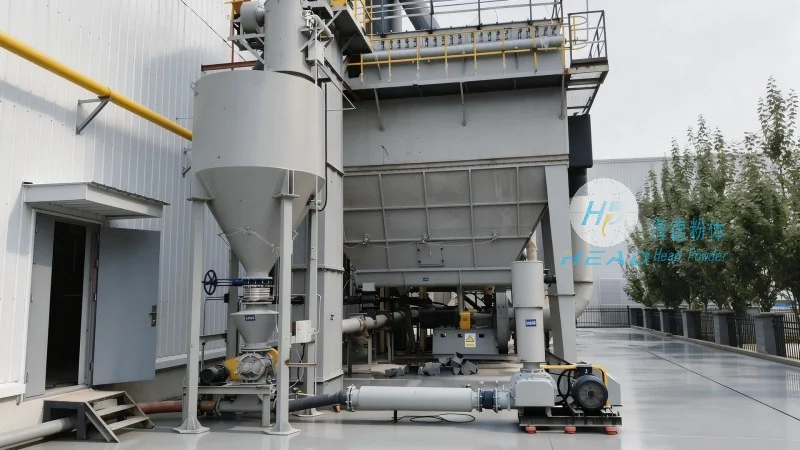
About HeadPowder: Leading Wood Dust Conveying Solutions
HeadPowder, a division of Shandong HeadPowder Engineering Co., Ltd., specializes in designing and manufacturing advanced dust handling systems. With a focus on innovation and reliability, HeadPowder delivers tailored solutions for wood dust management. Based in Shandong, China, the company leverages years of experience to meet the diverse requirements of the woodworking and related industries.
1. Screw Conveyors for Wood Dust
Screw conveyors, also known as auger conveyors, are a popular choice for transporting wood dust due to their simplicity and low maintenance. These systems consist of a rotating helical screw inside a trough, which moves material along the conveyor. The design allows for vertical and horizontal transport, making them versatile for various applications. Screw conveyors are particularly effective for handling dry wood dust and can be integrated with other equipment like hoppers and silos. They are known for their durability and ability to handle abrasive materials without significant wear. However, they may not be suitable for very fine or lightweight dust, as the material can stick to the screw or the trough walls, leading to reduced efficiency.
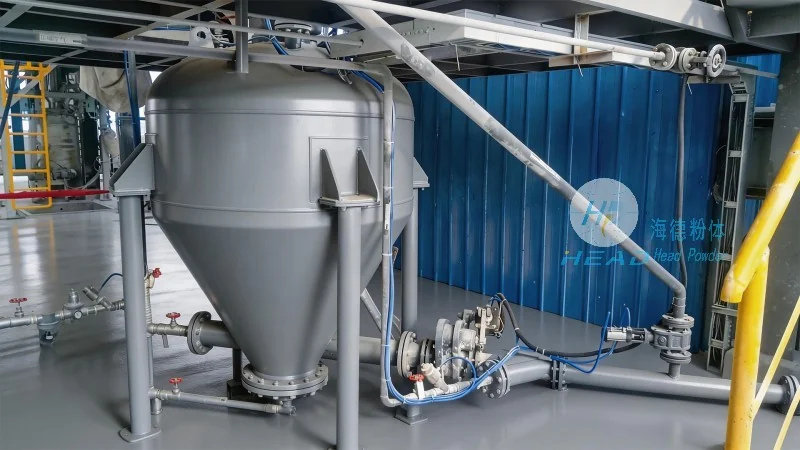
2. Pneumatic Conveying Systems
Pneumatic conveying uses air pressure to transport wood dust through a pipeline. This method is highly effective for long-distance and high-volume transport, as it can move material over considerable distances without the need for multiple transfer points. There are two main types: positive pressure and negative pressure systems. Positive pressure systems blow air and material through the pipe, while negative pressure systems draw material into the pipe using suction. Pneumatic conveying is ideal for handling fine wood dust and can be integrated with dust collection systems. It offers flexibility in layout and can be easily adapted to existing facilities. However, it requires careful consideration of air pressure and flow rates to ensure efficient transport. Additionally, the system may need regular maintenance to prevent clogging and ensure consistent performance.
3. Belt Conveyors for Bulk Wood Dust
Belt conveyors are widely used in the wood processing industry for transporting bulk wood dust and other materials. These systems consist of a continuous belt that moves material from one point to another. They are suitable for both horizontal and inclined transport and can handle large volumes of material. Belt conveyors are known for their high capacity and reliability, making them a preferred choice for heavy-duty applications. The design allows for easy integration with other equipment, such as feeders and sorters. However, they may require more space compared to other methods and can be more expensive to install. Proper maintenance is essential to prevent belt wear and ensure smooth operation.
4. Bucket Elevators for Vertical Wood Dust Transport
Bucket elevators are specifically designed for vertical transport of wood dust and other bulk materials. These systems use a series of buckets attached to a chain or belt that moves material upward. They are highly efficient for vertical lifting and can handle large quantities of material with minimal space requirements. Bucket elevators are known for their durability and ability to handle abrasive materials. However, they may not be suitable for very fine dust, as the material can fall through the buckets or the chain, leading to loss. Additionally, the system requires regular inspection to prevent bucket wear and chain tension issues.
5. Hydraulic Conveying for Specialized Applications
Hydraulic conveying systems use water or other fluids to transport wood dust. This method is particularly useful for handling wet or sticky wood dust, as the fluid helps to keep the material in suspension. Hydraulic conveyors are effective for long-distance transport and can be integrated with existing water systems. However, they require additional equipment for fluid management and may not be suitable for dry wood dust. The system is also more complex and expensive compared to other methods, making it less common for general wood dust handling.
Choosing the Right Wood Dust Conveying Method
When selecting a wood dust conveying method, several factors should be considered, including the type and quantity of material, the distance to be transported, the available space, and the budget. It is essential to evaluate the pros and cons of each method and choose the one that best fits the specific operational requirements. HeadPowder offers customized solutions that address these factors, ensuring optimal performance and efficiency. By partnering with HeadPowder, businesses can select the most suitable wood dust conveying system to enhance their operations and maintain compliance with safety standards.

 Công ty TNHH Kỹ thuật Công trình Bột Hải Đức Sơn Đông
 156-6277-7102(Quản lý Trương)
  0531-83386006
  Quận Chương Khâu, Thành phố Tế Nam, Tỉnh Sơn Đông, Trung Quốc
Điện thoại
WeChatTư vấn
Lên đầu