Công ty Hải Đức Bột với hơn 10 năm kinh nghiệm vận chuyển khí, cung cấp hệ thống‑thiết bị‑quạt gió và nhận dự án tổng thầu bột cả nước
Wheat flour is a fundamental ingredient in the food industry, and efficient conveying methods are crucial for maintaining product quality and operational efficiency. This article provides a detailed comparison of common wheat flour conveying methods, helping businesses select the most suitable solution for their production needs.
Introduction to Wheat Flour Conveying
Conveying wheat flour from storage silos to processing lines or packaging areas requires careful consideration of several factors, including material characteristics, production volume, and environmental requirements. Different conveying methods offer varying advantages in terms of speed, cost, and suitability for handling fine powders like wheat flour.
1. Air-Pressure Conveying (Pneumatic Conveying)
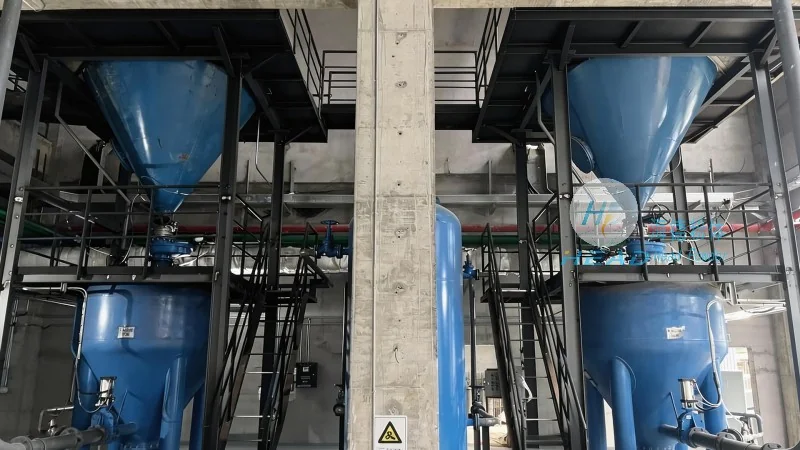
Air-pressure conveying, or pneumatic conveying, is a widely used method for transporting wheat flour due to its ability to handle fine powders without the need for mechanical contact. This system uses compressed air to create a flow that moves the flour through a pipeline. The primary types include pressure and vacuum systems. Pressure systems are ideal for long-distance transport and can handle large volumes, while vacuum systems are better suited for shorter distances and more delicate materials. One key advantage is the minimal risk of product contamination, as the flour remains in a sealed system. However, pneumatic conveying can be energy-intensive and may require regular maintenance of air filters and pipelines. The equipment typically includes a hopper, a rotary valve, and a conveying line, with options for both positive and negative pressure operation.
2. Screw Conveyors
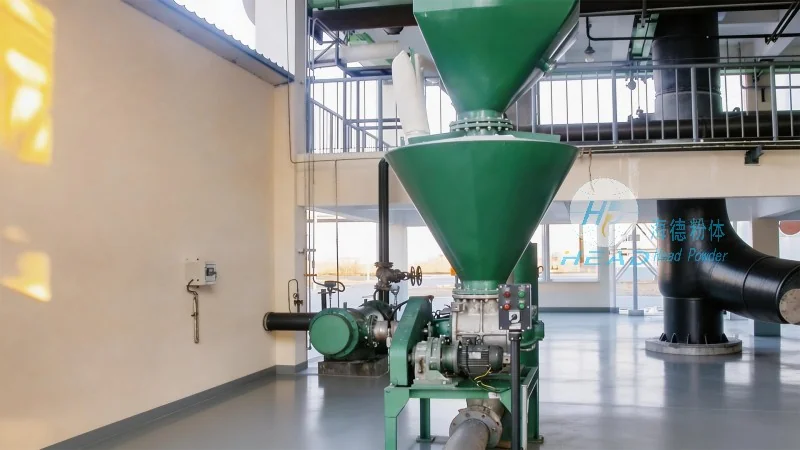
Screw conveyors, also known as auger conveyors, are mechanical devices that use a rotating screw to move wheat flour through a trough. This method is particularly effective for vertical or inclined transport, as the screw can lift and transport the material without the need for external power beyond the motor driving the screw. Screw conveyors are relatively low-cost and easy to install, making them a popular choice for smaller-scale operations. They are also suitable for handling bulk materials and can be integrated with other processing equipment. However, screw conveyors may cause product degradation due to friction and compression, especially for delicate or heat-sensitive flour. Additionally, they require regular cleaning to prevent clogging and maintain efficiency.
3. Belt Conveyors
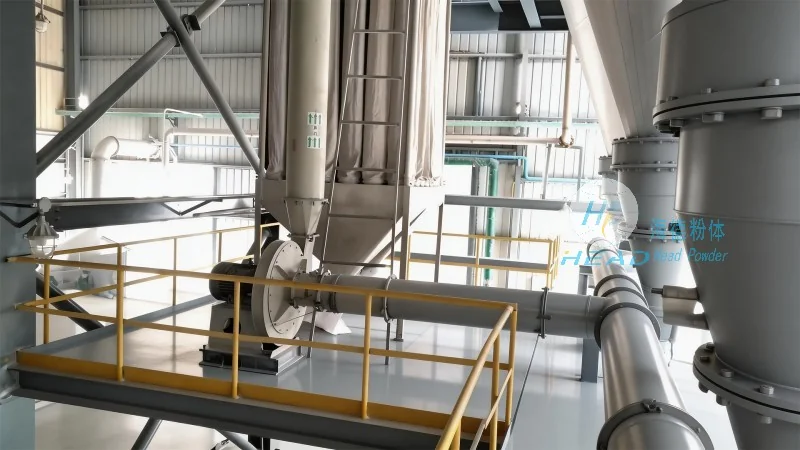
Belt conveyors use a continuous belt to transport wheat flour horizontally or at a slight incline. This method is ideal for large volumes and long-distance transport, as the belt can move the material at high speeds with minimal maintenance. Belt conveyors are commonly used in bulk handling applications and can be equipped with various accessories, such as side guides or accumulation zones, to enhance functionality. One advantage is their ability to handle a wide range of materials, including sticky or abrasive substances. However, belt conveyors may be susceptible to product spillage and require regular inspection of the belt and pulleys to prevent damage. They are also more expensive to install compared to other methods and may not be suitable for very fine powders that can cause dust accumulation.
4. Bucket Elevators
Bucket elevators are vertical or inclined conveyors that use a series of buckets attached to a belt or chain to lift and transport wheat flour. This method is highly efficient for vertical transport and can handle large quantities of material with minimal power consumption. Bucket elevators are commonly used in flour mills and other food processing facilities due to their reliability and ability to handle heavy loads. The buckets are designed to grip the flour securely, preventing spillage during the lifting process. However, bucket elevators require regular maintenance of the bucket chain or belt and may cause some product degradation due to the mechanical action. They are also limited in horizontal transport and are primarily used for vertical movement.
HeadPowder Engineering: Expert Solutions for Wheat Flour Conveying
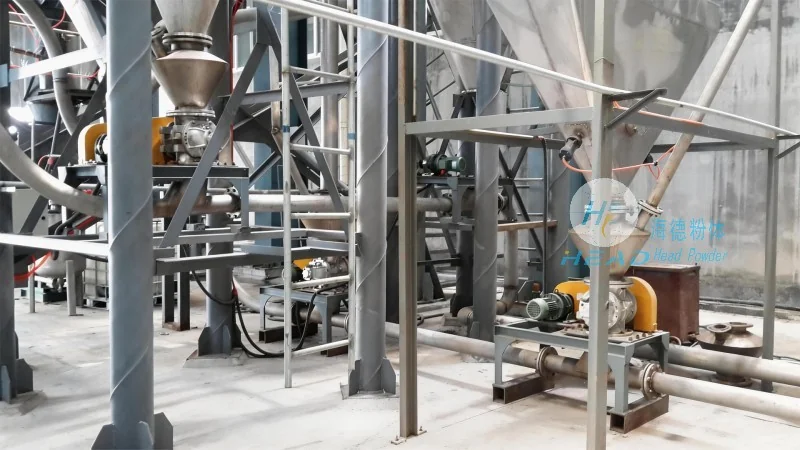
Shandong HeadPowder Engineering Co., Ltd., a leading manufacturer of industrial conveying equipment, specializes in providing customized solutions for wheat flour handling. With years of experience in the industry, HeadPowder offers a range of products tailored to the unique needs of food processing businesses. The company’s expertise lies in designing systems that balance efficiency, cost-effectiveness, and product integrity. For example, their pneumatic conveying systems are engineered to minimize energy consumption while ensuring reliable transport of fine powders. Additionally, HeadPowder provides screw and belt conveyor solutions that are durable and easy to maintain, suitable for both small and large-scale operations. The company’s commitment to quality and customer satisfaction has made it a trusted partner for businesses seeking reliable wheat flour conveying equipment.
Choosing the Right Conveying Method for Your Business
The choice of wheat flour conveying method depends on several factors, including the production volume, the distance between the storage and processing areas, and the specific characteristics of the flour. For example, pneumatic conveying is often preferred for long-distance transport and handling of fine powders, while screw conveyors are suitable for vertical transport in smaller facilities. Belt conveyors are ideal for large-scale horizontal transport, and bucket elevators are best for vertical lifting. It is essential to consider the cost of installation, energy consumption, and maintenance when selecting a conveying system. Additionally, the impact of the method on product quality, such as minimizing degradation or contamination, should be evaluated. By carefully assessing these factors, businesses can select the most appropriate conveying method to optimize their operations and ensure consistent product quality.

 Công ty TNHH Kỹ thuật Công trình Bột Hải Đức Sơn Đông
 156-6277-7102(Quản lý Trương)
  0531-83386006
  Quận Chương Khâu, Thành phố Tế Nam, Tỉnh Sơn Đông, Trung Quốc
Điện thoại
WeChatTư vấn
Lên đầu