Công ty Hải Đức Bột với hơn 10 năm kinh nghiệm vận chuyển khí, cung cấp hệ thống‑thiết bị‑quạt gió và nhận dự án tổng thầu bột cả nước
Coal gangue, a byproduct of coal mining and processing, poses significant challenges in terms of transportation and disposal. Efficient and reliable conveying systems are essential to manage this material, ensuring safe and cost-effective movement from extraction sites to disposal or processing facilities. This article provides a detailed comparison of common coal gangue conveying methods, highlighting their applications, advantages, and limitations.
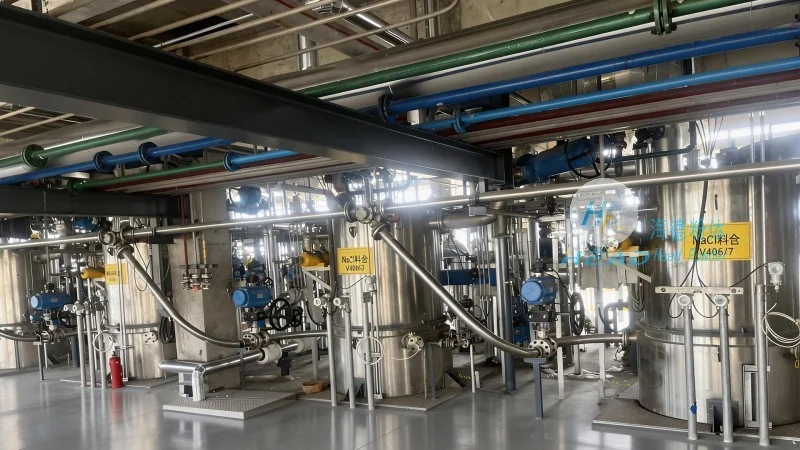
Introduction to Coal Gangue Conveying
Coal gangue, also known as coal waste or coal mine rock, is the solid waste generated during coal extraction and processing. It typically consists of rock, soil, and other non-combustible materials mixed with coal. The handling of coal gangue requires specialized equipment due to its abrasive nature and varying particle sizes. The choice of conveying method depends on factors such as the distance to be covered, the volume of material, the terrain, and the required speed of transport. Common methods include belt conveyors, bucket elevators, and screw conveyors, each with distinct characteristics suitable for different operational scenarios.
Belt Conveyors: The Most Widely Used Method
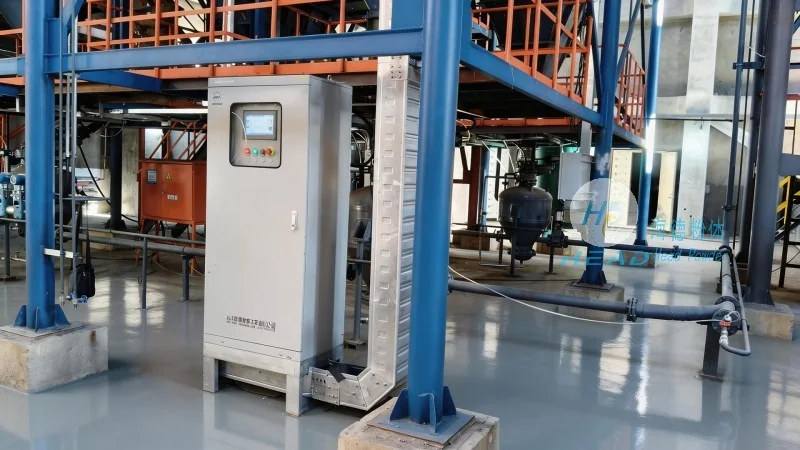
Belt conveyors are the most prevalent coal gangue conveying system, widely adopted in mining and processing industries due to their high capacity, low maintenance, and ability to transport materials over long distances. These systems consist of a continuous loop of belt that moves over rollers or pulleys, carrying the material from the source to the destination. The belt can be made of various materials, such as rubber or synthetic fabrics, to withstand the abrasive properties of coal gangue. One of the key advantages of belt conveyors is their efficiency in handling large volumes of material, making them ideal for bulk transportation. They are also relatively low in operational costs and can be easily integrated into existing mining operations. However, belt conveyors have limitations, particularly when dealing with steep inclines or uneven terrain, as the belt may slip or require additional support structures. Additionally, they are susceptible to damage from heavy impacts or sharp particles, necessitating regular maintenance and inspection.
Bucket Elevators: Vertical Transport Solutions
Bucket elevators are specialized conveying systems designed for vertical or steep incline transportation of coal gangue. These systems use a series of buckets attached to a chain or belt that moves vertically, lifting the material from a lower to a higher level. Bucket elevators are particularly effective in applications where the material needs to be raised to a significant height, such as in coal processing plants or waste disposal sites. Their primary advantage is their ability to transport materials vertically without the need for complex infrastructure, making them suitable for confined spaces or areas with limited horizontal space. Bucket elevators are also capable of handling a wide range of particle sizes and can operate at high speeds, increasing overall efficiency. However, they have lower capacity compared to belt conveyors and are more expensive to install and maintain. The buckets and chains are prone to wear and tear, especially when transporting abrasive materials like coal gangue, which may require more frequent replacement.
Screw Conveyors: Compact and Versatile
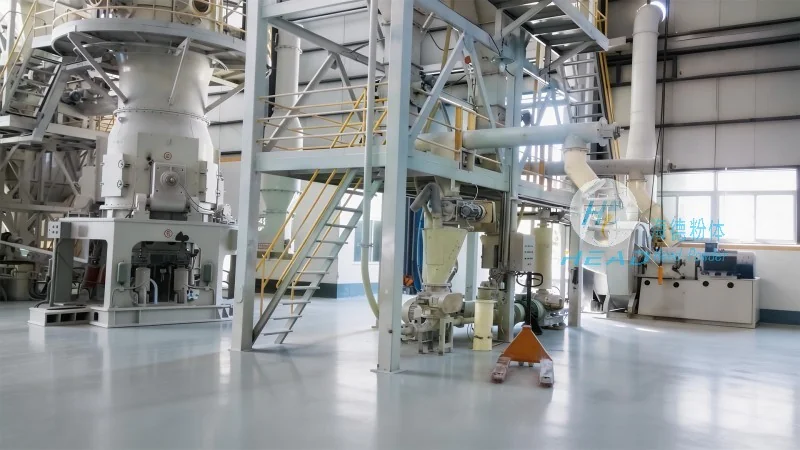
Screw conveyors, also known as auger conveyors, are compact and versatile systems used for the horizontal or slight incline transportation of coal gangue. These systems consist of a rotating screw (auger) inside a trough, which moves the material along the length of the conveyor. Screw conveyors are ideal for applications where space is limited or where the material needs to be transported over short distances. Their main advantages include their compact design, low cost, and simplicity of operation. They are also capable of handling a variety of materials, including powders, granules, and bulk solids, making them suitable for different stages of coal processing. However, screw conveyors have lower capacity compared to belt and bucket elevators and are not suitable for long-distance or steep incline transport. They are also prone to clogging, especially with sticky or wet coal gangue, which may require additional cleaning mechanisms or the use of special materials for the screw and trough. The rotating screw can also cause friction and heat generation, potentially affecting the material's quality.
Comparative Analysis of Conveying Methods
When selecting a coal gangue conveying method, it is essential to consider several factors, including the distance to be covered, the volume of material, the terrain, and the required speed. Belt conveyors are generally the most cost-effective and efficient for long-distance horizontal transport, making them suitable for large-scale mining operations. Bucket elevators are preferred for vertical or steep incline transport, especially in confined spaces or where height is a critical factor. Screw conveyors are ideal for short-distance or compact applications, such as in processing plants or small-scale mining operations. The choice of method also depends on the characteristics of the coal gangue, such as its abrasiveness, moisture content, and particle size distribution. For example, abrasive coal gangue may require more durable materials for the conveyor components, while wet or sticky materials may necessitate additional cleaning or conditioning steps.
Conclusion: Choosing the Right Conveying System
Efficient coal gangue conveying is crucial for the safe and sustainable management of coal mining byproducts. The selection of the appropriate conveying method depends on a combination of operational requirements, material characteristics, and cost considerations. Belt conveyors offer high capacity and long-distance transport capabilities, making them a popular choice for large-scale mining operations. Bucket elevators provide effective vertical transport solutions, while screw conveyors are suitable for compact and short-distance applications. It is important to evaluate each method's advantages and limitations to ensure the most suitable solution for a specific application. Companies like Shandong HeadPowder Engineering Co., Ltd., specializing in engineering solutions for the mining and processing industry, can provide expert guidance and customized conveying systems tailored to the unique needs of coal gangue transportation. By selecting the right conveying method, mining operations can enhance productivity, reduce costs, and minimize environmental impact.

 Công ty TNHH Kỹ thuật Công trình Bột Hải Đức Sơn Đông
 156-6277-7102(Quản lý Trương)
  0531-83386006
  Quận Chương Khâu, Thành phố Tế Nam, Tỉnh Sơn Đông, Trung Quốc
Điện thoại
WeChatTư vấn
Lên đầu