Công ty Hải Đức Bột với hơn 10 năm kinh nghiệm vận chuyển khí, cung cấp hệ thống‑thiết bị‑quạt gió và nhận dự án tổng thầu bột cả nước
Gypsum sand, a key material in construction and industrial applications, requires efficient and reliable conveying systems to ensure smooth production processes. The choice of conveying method significantly impacts operational efficiency, cost, and material handling capabilities. This article provides a detailed comparison of common gypsum sand conveying methods, highlighting their advantages, limitations, and suitability for different industrial scenarios. As a leading provider in the field, Shandong HeadPowder Engineering Co., Ltd., based in Shandong, China, specializes in developing tailored solutions for material handling challenges, including those related to gypsum sand transportation.
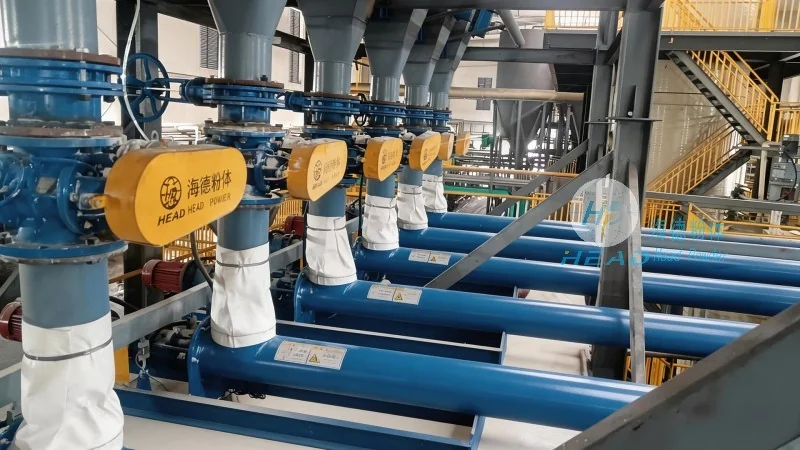
1. Belt Conveyors for Gypsum Sand Transport
Belt conveyors are among the most widely used systems for transporting gypsum sand due to their versatility and cost-effectiveness. These systems consist of a continuous belt that moves material from one point to another, often utilizing rollers or idlers to support the belt and reduce friction. The primary advantage of belt conveyors is their ability to handle large volumes of material over long distances with minimal maintenance. They are particularly suitable for horizontal or slightly inclined transport, making them ideal for bulk material handling in gypsum processing plants. However, belt conveyors may face challenges with abrasive materials like gypsum sand, which can cause wear and tear on the belt and rollers over time. Regular maintenance, such as belt tension adjustments and pulley replacements, is essential to ensure optimal performance. Additionally, belt conveyors require adequate space for installation and may not be suitable for vertical or steep incline applications without specialized components like incline conveyors or bucket elevators.
2. Screw Conveyors (Auger Conveyors) for Gypsum Sand Handling
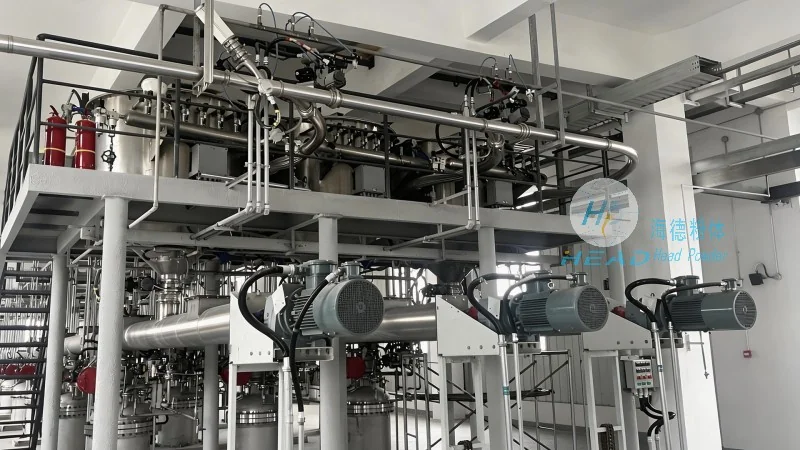
Screw conveyors, also known as auger conveyors, are another popular choice for gypsum sand transport. These systems use a rotating screw (auger) enclosed in a trough to move material forward. The screw's rotation creates a pushing action, propelling the gypsum sand through the conveyor. Screw conveyors are highly effective for vertical or inclined transport, making them suitable for elevating material to higher levels or moving it between different floors in a processing facility. They are also compact and can be installed in confined spaces, which is beneficial in plants with limited floor area. A key advantage of screw conveyors is their ability to handle a wide range of materials, including those with varying moisture content or particle sizes. However, they may not be as efficient for very large volumes or highly abrasive materials, as the screw and trough can experience significant wear. Moreover, screw conveyors are generally less suitable for horizontal transport over long distances compared to belt conveyors, as the material may settle or accumulate in the trough if the slope is insufficient.
3. Pneumatic Conveying Systems for Gypsum Sand
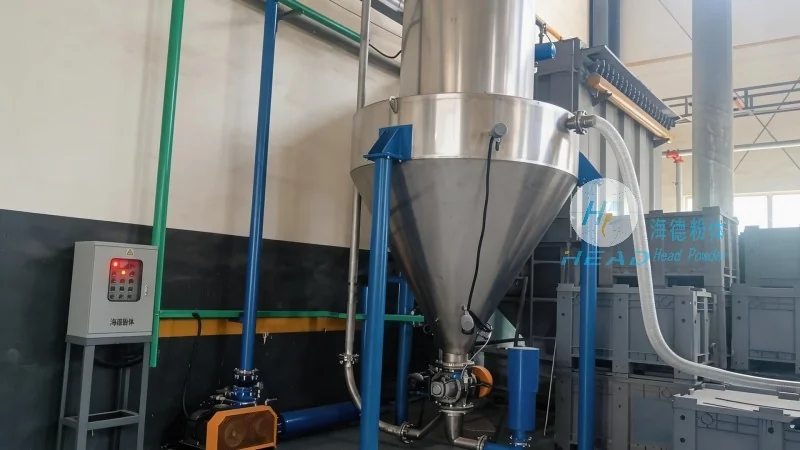
Pneumatic conveying systems utilize air or gas to transport gypsum sand through a pipeline network. These systems can be categorized into two main types: pressure and vacuum. Pressure systems force air and material through the pipeline using a blower or compressor, while vacuum systems create a negative pressure to draw material into the pipeline. Pneumatic conveying offers several advantages, including the ability to transport material over long distances (up to several kilometers) and in vertical or horizontal directions. It is also suitable for handling fine or dusty materials, as the system can be enclosed to prevent dust dispersion. Additionally, pneumatic conveyors can be integrated with other processing equipment, such as mixers or dryers, to create a continuous material flow. However, pneumatic systems require higher energy consumption compared to mechanical conveyors, as they rely on air pressure to move material. They also need regular cleaning to prevent material buildup in the pipelines, which can affect performance and increase maintenance costs. Furthermore, the system's efficiency may be reduced if the material is too heavy or has high moisture content, as it may not be effectively suspended by the air flow.
4. Bucket Elevators for Vertical Gypsum Sand Transport
Bucket elevators are specialized conveyors designed for vertical transport of bulk materials, including gypsum sand. These systems consist of a vertical or slightly inclined conveyor with a series of buckets attached to a chain or belt. As the conveyor rotates, the buckets scoop up material from the bottom and carry it to the top, where the material is discharged. Bucket elevators are highly efficient for vertical transport, capable of moving large volumes of material at high speeds. They are particularly useful in applications where material needs to be elevated to significant heights, such as in cement or gypsum processing plants. A key advantage of bucket elevators is their ability to handle abrasive materials without significant wear, as the buckets are typically made of durable materials like steel or rubber. However, bucket elevators require careful design to ensure proper loading and unloading of material, as improper bucket spacing or speed can lead to material spillage or blockages. They are also more complex and expensive to install compared to other conveying systems, and maintenance, such as chain or belt replacement, is more involved. Additionally, bucket elevators are generally not suitable for horizontal transport, as their design is optimized for vertical movement.
5. Comparison and Selection Criteria
When selecting a gypsum sand conveying method, several factors must be considered to ensure the optimal choice for a specific application. The primary factors include the material characteristics (e.g., particle size, moisture content, abrasiveness), the required transport distance and direction (horizontal, vertical, or both), the desired capacity and speed, and the available space and budget. Belt conveyors are often the most cost-effective solution for long horizontal transport, while screw conveyors excel in vertical or inclined transport. Pneumatic systems are ideal for long-distance or enclosed transport, but require higher energy input. Bucket elevators are best suited for high vertical transport needs but are more expensive and complex. Shandong HeadPowder Engineering Co., Ltd. offers comprehensive expertise in designing and implementing these conveying systems, ensuring that clients receive tailored solutions that meet their specific operational requirements. By considering these factors and consulting with industry experts, businesses can select the most efficient and reliable gypsum sand conveying method for their needs.

 Công ty TNHH Kỹ thuật Công trình Bột Hải Đức Sơn Đông
 156-6277-7102(Quản lý Trương)
  0531-83386006
  Quận Chương Khâu, Thành phố Tế Nam, Tỉnh Sơn Đông, Trung Quốc
Điện thoại
WeChatTư vấn
Lên đầu