Công ty Hải Đức Bột với hơn 10 năm kinh nghiệm vận chuyển khí, cung cấp hệ thống‑thiết bị‑quạt gió và nhận dự án tổng thầu bột cả nước
When it comes to handling sub-zinc oxide materials efficiently and safely, the design of a pneumatic conveying system is crucial. A well-engineered system not only ensures optimal material transport but also minimizes operational risks and maintenance costs. This article outlines key considerations and steps for designing a reasonable sub-zinc oxide pneumatic conveying system, with a focus on practical application and performance optimization.
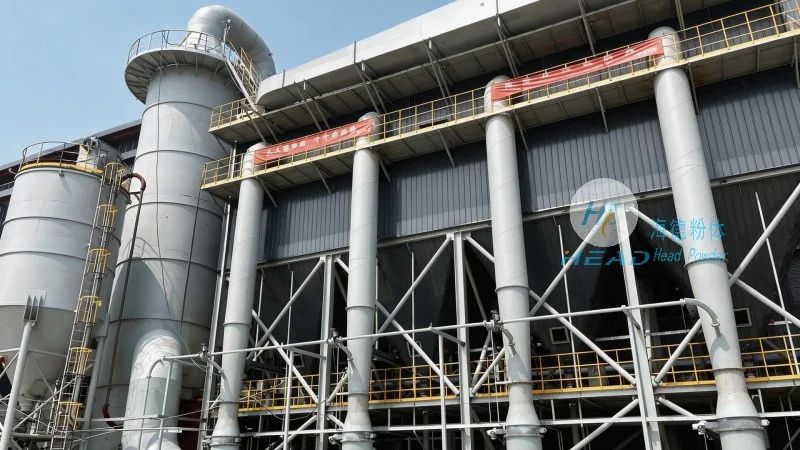
Understanding the Core Requirements for Sub-Zinc Oxide Pneumatic Conveying
Before diving into system design, it's essential to understand the specific characteristics of sub-zinc oxide. This material, often used in industrial applications such as chemical processing and metallurgy, has unique properties that influence system selection. For instance, sub-zinc oxide may have varying particle sizes, moisture content, and flowability, all of which impact the choice of conveying equipment and system configuration. A thorough material analysis is the first step to ensure the system can handle the material's behavior under different conditions.
Key Components and Equipment Selection for Pneumatic Conveying Systems
The success of a sub-zinc oxide pneumatic conveying system hinges on the selection of appropriate components. At the heart of the system is the conveying line, which can be categorized into pressure or vacuum types. Pressure systems use positive pressure to move material, while vacuum systems create a negative pressure environment. The choice between these depends on factors like material handling distance, elevation changes, and the need for dust control. Additionally, key equipment includes the feeders, air movers (like blowers or compressors), and separators or cyclones for material separation. Each component must be matched to the material's properties and system requirements to ensure efficient operation.
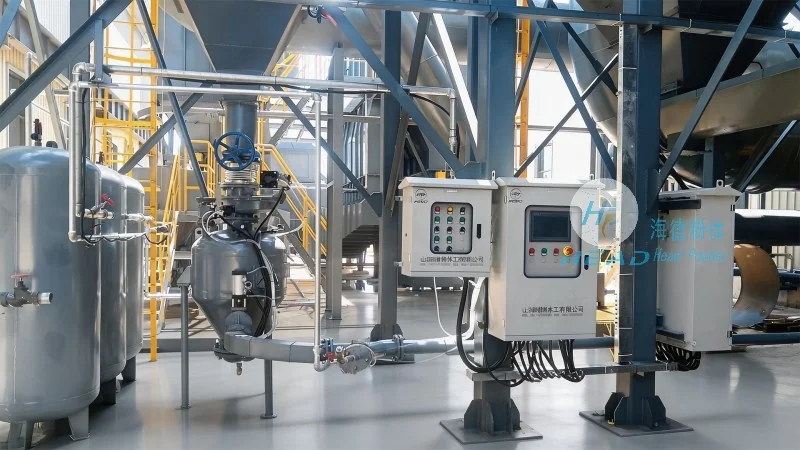
System Layout and Flow Design for Optimal Performance
System layout is a critical aspect of design, as it dictates the path and efficiency of material transport. The layout should consider the plant's layout, existing infrastructure, and the need to minimize pressure drops and energy consumption. For sub-zinc oxide, which may be sensitive to moisture or temperature changes, the system should incorporate features like temperature control and drying sections if necessary. The flow design involves determining the appropriate air-to-material ratio, which balances material transport with energy efficiency. Properly designed flow paths also help in reducing material degradation and preventing blockages, ensuring consistent performance over time.
Material Handling Considerations and Safety Measures
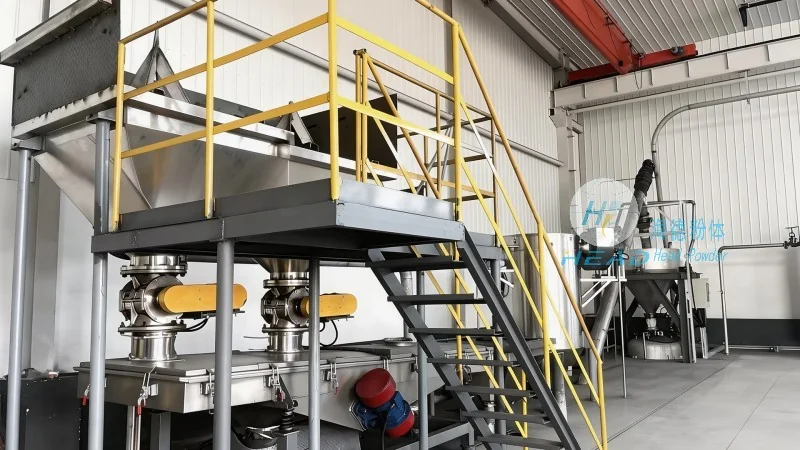
Handling sub-zinc oxide requires attention to safety and material integrity. The system design should include measures to prevent dust explosions, such as explosion-proof components and proper ventilation. Additionally, the system should be designed to handle variations in material feed rates and prevent overloading, which could lead to system failure. Regular maintenance and monitoring are also essential to ensure the system operates within safe parameters. By integrating these safety measures into the design, the system can operate reliably while protecting personnel and equipment.
Integration with Existing Facilities and Scalability
Many industrial facilities already have existing infrastructure that can be integrated with a new pneumatic conveying system. The design should consider compatibility with current equipment, such as storage silos, processing units, and discharge points. This integration minimizes disruption to existing operations and reduces installation costs. Furthermore, the system should be designed with scalability in mind, allowing for future expansion or changes in material handling requirements. This flexibility ensures the system remains effective as the facility grows or its needs evolve.
Conclusion: Building a Reliable Sub-Zinc Oxide Pneumatic Conveying System
Designing a reasonable sub-zinc oxide pneumatic conveying system is a multi-faceted process that requires careful consideration of material properties, system components, and operational requirements. By following a systematic approach and incorporating the insights provided, industrial facilities can achieve efficient, safe, and cost-effective material transport. The expertise of companies like Shandong HeadPowder Engineering Co., Ltd. plays a vital role in translating these considerations into a practical and effective system design, ensuring long-term performance and reliability.

 Công ty TNHH Kỹ thuật Công trình Bột Hải Đức Sơn Đông
 156-6277-7102(Quản lý Trương)
  0531-83386006
  Quận Chương Khâu, Thành phố Tế Nam, Tỉnh Sơn Đông, Trung Quốc
Điện thoại
WeChatTư vấn
Lên đầu