Công ty Hải Đức Bột với hơn 10 năm kinh nghiệm vận chuyển khí, cung cấp hệ thống‑thiết bị‑quạt gió và nhận dự án tổng thầu bột cả nước
When designing a pneumatic conveying system for artificial graphite, it is crucial to consider several key factors to ensure efficiency, reliability, and cost-effectiveness. The system's design must align with the material's properties, such as its density, particle size distribution, and flow characteristics. A well-planned system can significantly reduce operational costs and enhance the overall performance of the conveying process.
Key Design Considerations for Artificial Graphite Pneumatic Conveying
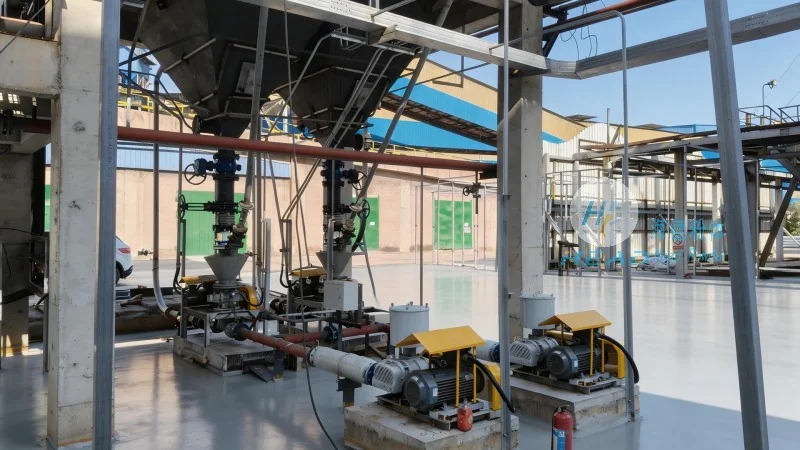
Several critical aspects must be addressed during the design phase. First, the selection of the appropriate conveying type—whether it is dilute-phase or dense-phase—is essential. Dilute-phase systems are suitable for fine powders like artificial graphite, as they rely on high air velocities to transport particles. Dense-phase systems, on the other hand, use lower air velocities and higher pressure to move material in a more controlled manner. The choice depends on the specific application and the desired material handling requirements.
Second, the system's layout and components, including the hopper, feeder, pipeline, and receiver, must be carefully engineered. The hopper design should prevent material bridging and ensure uniform flow. The feeder, typically a rotary valve or a venturi feeder, must be capable of handling the specific characteristics of artificial graphite, such as its low bulk density and potential for static electricity. The pipeline diameter and length are also critical, as they affect the air velocity and pressure drop. Properly sized pipelines minimize energy consumption and prevent material degradation.
Role of HeadPowder in Designing Pneumatic Conveying Systems
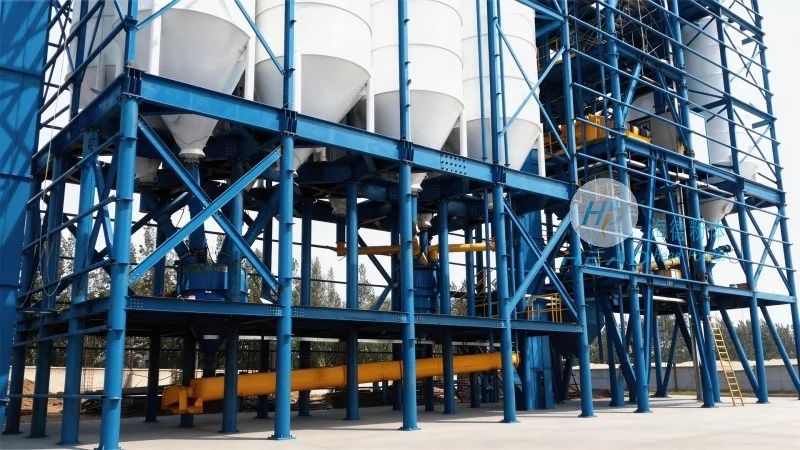
Shandong HeadPowder Engineering Co., Ltd., a leading provider in the field, specializes in designing and implementing artificial graphite pneumatic conveying systems. With years of experience, the company understands the unique challenges associated with handling artificial graphite, including its abrasive nature and tendency to generate static electricity. HeadPowder's team of engineers employs advanced computational fluid dynamics (CFD) and material flow analysis to optimize system performance. This approach ensures that the final design meets the client's specific needs while adhering to industry standards and safety regulations.
The company's design process begins with a thorough analysis of the client's requirements, including the material's properties, conveying distance, and desired throughput. Based on this analysis, HeadPowder develops a customized system that incorporates the most suitable components and layout. For example, if the application involves long-distance conveying, the system may include a booster station to maintain sufficient air pressure. If the material is prone to static, the design may include grounding and anti-static measures to prevent material buildup and ensure safe operation.
Benefits of a Well-Designed Artificial Graphite Pneumatic Conveying System
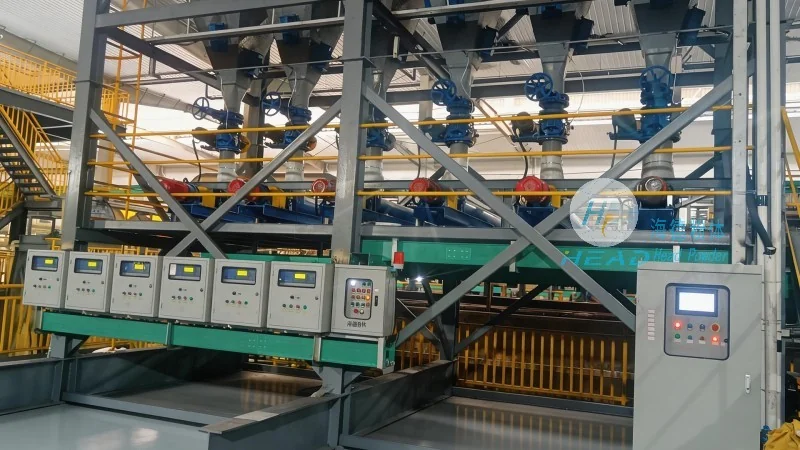
A properly designed pneumatic conveying system for artificial graphite offers numerous benefits. First, it improves material handling efficiency by reducing downtime and increasing throughput. The system's reliability minimizes maintenance requirements, leading to lower operational costs. Additionally, the controlled environment of the conveying process prevents material contamination and degradation, which is critical for applications where the quality of artificial graphite is paramount. For instance, in the production of electrodes or other graphite-based products, maintaining the purity of the material is essential, and a well-designed system ensures that the material remains free from impurities.
Furthermore, a well-engineered system enhances safety by reducing the risk of dust explosions and material spills. The use of appropriate materials for the pipeline and components, combined with proper ventilation and dust collection systems, creates a safer working environment. This is particularly important in industries where artificial graphite is used, as improper handling can lead to hazardous conditions.
Conclusion and Contact Information
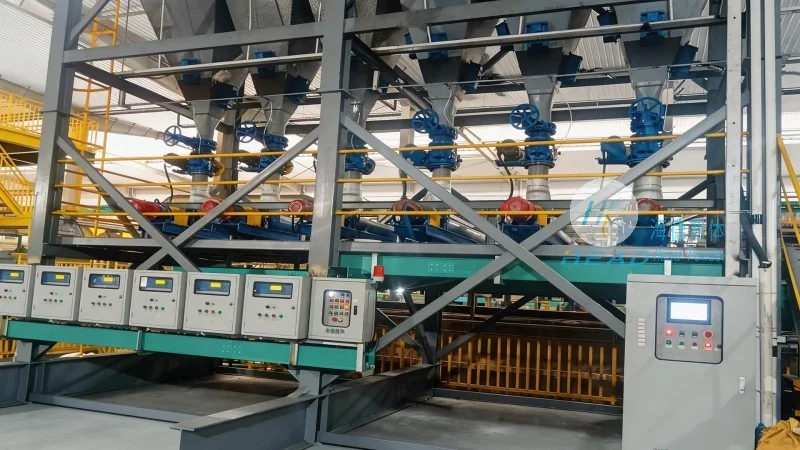
Designing a reasonable artificial graphite pneumatic conveying system requires a comprehensive approach that considers the material's properties, operational requirements, and safety regulations. Shandong HeadPowder Engineering Co., Ltd. offers expert solutions tailored to the unique needs of artificial graphite handling. By leveraging advanced engineering techniques and years of industry experience, HeadPowder ensures that its systems are efficient, reliable, and cost-effective. For more information or to discuss a specific project, please contact HeadPowder at their address in Shandong, China.

 Công ty TNHH Kỹ thuật Công trình Bột Hải Đức Sơn Đông
 156-6277-7102(Quản lý Trương)
  0531-83386006
  Quận Chương Khâu, Thành phố Tế Nam, Tỉnh Sơn Đông, Trung Quốc
Điện thoại
WeChatTư vấn
Lên đầu