Công ty Hải Đức Bột với hơn 10 năm kinh nghiệm vận chuyển khí, cung cấp hệ thống‑thiết bị‑quạt gió và nhận dự án tổng thầu bột cả nước
In the field of animal feed processing, the efficient and reliable transportation of raw materials like soybeans is crucial for maintaining production efficiency and product quality. A well-designed pneumatic conveying system can significantly enhance the overall performance of feed manufacturing facilities. This article will explore the key considerations and steps involved in designing a reasonable soybean feed pneumatic conveying system, with a focus on practical solutions that meet industry standards.
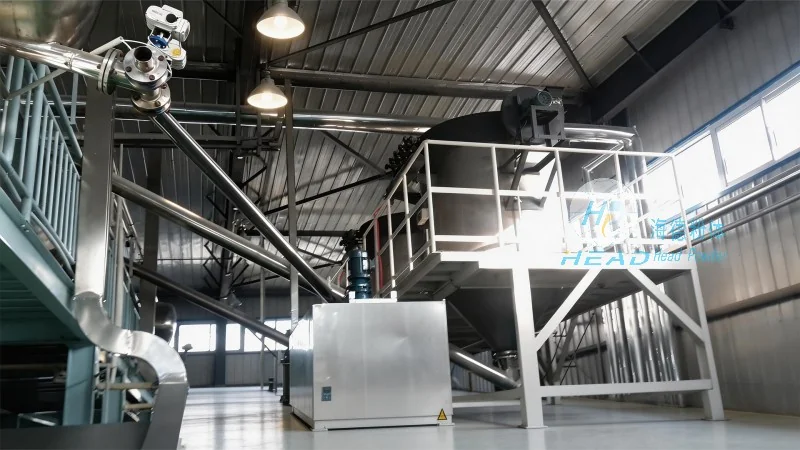
Understanding the Core Components of a Pneumatic Conveying System
Before diving into the design process, it's essential to understand the fundamental components that make up a pneumatic conveying system. These components work in tandem to transport bulk materials, such as soybeans, from one location to another within a feed processing plant. The primary components include:
- **Conveying Hoppers**: These are used to store and feed the soybean material into the system. Proper hopper design is critical to prevent material bridging and ensure consistent flow.
- **Air Supply System**: This includes blowers or fans that generate the necessary air pressure to move the material through the system. The air supply must be sufficient to overcome the resistance of the conveying line and the material being transported.
- **Conveying Lines**: These are the pipes or ducts that carry the soybean material and air mixture. The material of construction (e.g., stainless steel, plastic) and the diameter of the lines are important factors that affect system performance.
- **Separation and Collection Equipment**: After the material reaches its destination, separation equipment is used to separate the soybean from the air, and collection hoppers store the material for further processing.
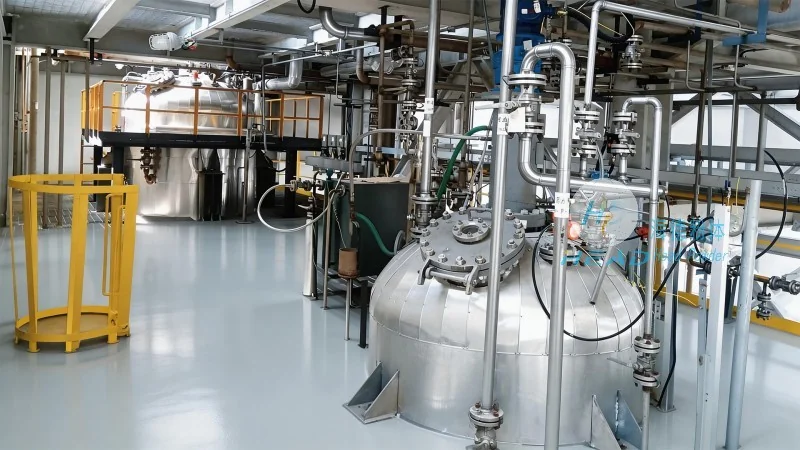
Key Design Factors for Soybean Feed Pneumatic Conveying
Several key factors must be considered when designing a pneumatic conveying system for soybeans. These factors ensure the system operates efficiently, safely, and economically.
1. **Material Properties**: Soybeans have specific characteristics, such as moisture content, bulk density, and particle size distribution, which affect how they behave in a pneumatic system. Understanding these properties helps in selecting the appropriate conveying method (e.g., dilute-phase or dense-phase) and system parameters.
2. **System Capacity**: The required capacity of the system depends on the production rate of the feed plant. The design must ensure that the system can handle the expected flow rates without causing bottlenecks or excessive energy consumption.
3. **System Layout and Integration**: The layout of the conveying system should be integrated with the overall feed processing plant layout. This includes considering the distances between the feed source and destination, the number of transfer points, and the need for vertical or horizontal conveying.
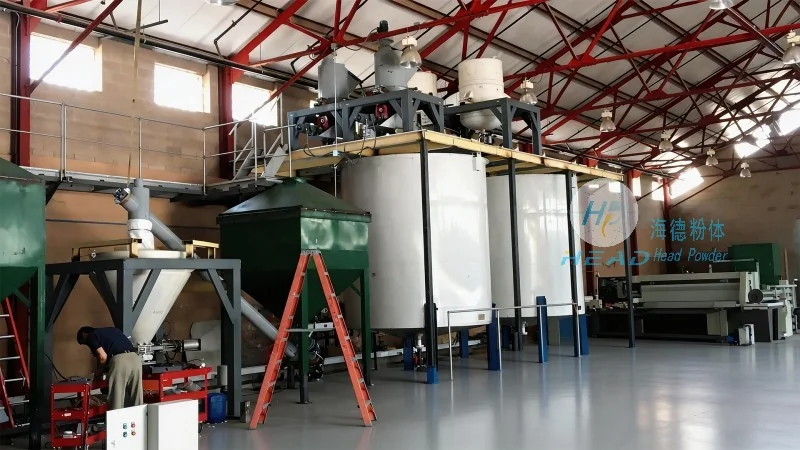
4. **Energy Efficiency**: Energy costs are a significant operating expense for pneumatic conveying systems. Designing the system with energy-efficient components, such as high-efficiency blowers and optimized line sizes, can reduce operating costs over the system's lifespan.
5. **Safety and Maintenance**: Safety features, such as explosion-proof blowers and proper ventilation, are essential to protect personnel and equipment. Additionally, the system should be designed for easy maintenance, with accessible components and clear operational guidelines.
Step-by-Step Design Process for a Soybean Feed Pneumatic Conveying System
The design process for a soybean feed pneumatic conveying system involves several steps, from initial planning to final implementation. Following a systematic approach ensures that all critical factors are addressed and that the final system meets the required performance standards.
1. **Define System Requirements**: The first step is to clearly define the system's requirements, including the material characteristics, capacity, and operational parameters. This involves working closely with the feed plant's operations team to understand their specific needs.
2. **Select Conveying Method**: Based on the material properties and system requirements, choose the appropriate conveying method. For soybeans, dilute-phase pneumatic conveying is often preferred due to its ability to handle high capacities and long distances with relatively low energy consumption.

 Công ty TNHH Kỹ thuật Công trình Bột Hải Đức Sơn Đông
 156-6277-7102(Quản lý Trương)
  0531-83386006
  Quận Chương Khâu, Thành phố Tế Nam, Tỉnh Sơn Đông, Trung Quốc
Điện thoại
WeChatTư vấn
Lên đầu