Công ty Hải Đức Bột với hơn 10 năm kinh nghiệm vận chuyển khí, cung cấp hệ thống‑thiết bị‑quạt gió và nhận dự án tổng thầu bột cả nước
When it comes to handling refractory materials, the selection and design of an efficient pneumatic conveying system are crucial for ensuring smooth operations and maintaining material integrity. A well-designed system not only enhances productivity but also minimizes downtime and operational costs. This article will explore the key considerations and steps involved in designing a reasonable refractory material pneumatic conveying system, with a focus on practical solutions that can be implemented by professionals in the field.
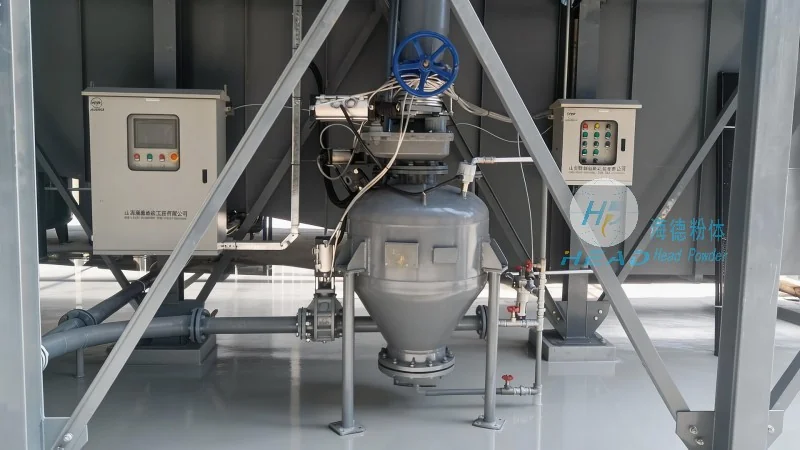
Understanding the Core Requirements of Refractory Material Handling
Before diving into the design process, it is essential to understand the specific characteristics of refractory materials and the operational requirements of the application. Refractory materials, such as ceramics, bricks, and powders, often have unique properties like high temperature resistance, abrasive nature, and varying particle sizes. These characteristics directly impact the choice of system type, equipment selection, and overall system configuration. For instance, materials with high abrasiveness may require more robust components like wear-resistant pipes and valves, while those with fine particles might necessitate higher air velocities to prevent clogging.
Choosing the Right Pneumatic Conveying System Type
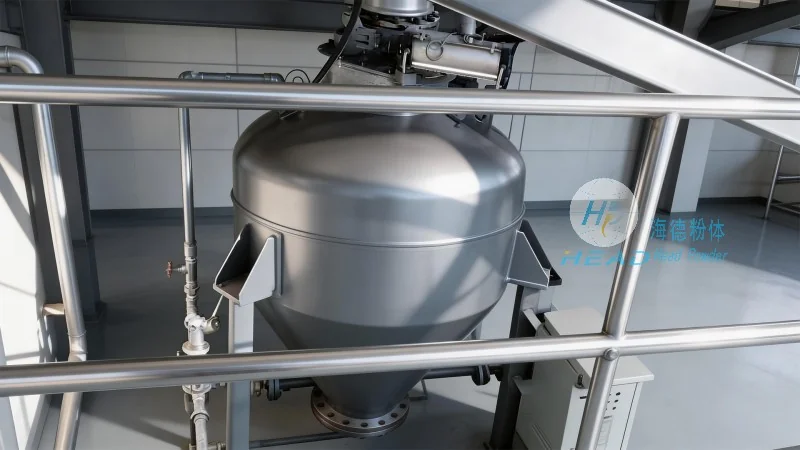
The first step in designing a refractory material pneumatic conveying system is to select the appropriate system type based on the material properties, conveying distance, and required flow rate. There are primarily two main categories of pneumatic conveying systems: pressure and vacuum systems. Pressure systems use compressed air to push material through the pipeline, while vacuum systems use suction to draw material into the system. For refractory materials, pressure systems are often preferred due to their ability to handle abrasive and high-density materials more effectively. Within pressure systems, there are further subcategories like positive displacement blowers and rotary lobe blowers, each with its own advantages in terms of pressure, flow rate, and energy efficiency.
System Layout and Pipeline Design Considerations
Once the system type is determined, the next critical step is to design the system layout and pipeline configuration. The layout should be optimized to minimize the number of bends, changes in direction, and vertical lifts, as these can cause pressure drops and increase the risk of material degradation or blockages. The pipeline diameter is another critical factor, as it directly affects the air velocity and pressure requirements. A larger diameter may be needed for high-volume applications to maintain adequate air velocity, while a smaller diameter could be sufficient for low-volume, low-density materials. Additionally, the material of the pipeline and fittings is crucial, especially for refractory materials that are abrasive or corrosive. Materials like stainless steel, aluminum, or specialized alloys are commonly used to ensure durability and prevent wear and tear.
Equipment Selection and Integration
The selection of key equipment components, such as the air source, material feeders, and control valves, plays a vital role in the overall performance of the pneumatic conveying system. The air source, typically a blower or compressor, must be capable of providing the required pressure and flow rate. For refractory material applications, a positive displacement blower is often preferred due to its ability to maintain consistent pressure even at varying flow rates. The material feeder, which can be a rotary valve, screw feeder, or hopper, must be designed to handle the specific characteristics of the refractory material, such as its bulk density and flowability. It is also important to integrate proper control systems, including pressure sensors, flow meters, and automatic valves, to monitor and regulate the system operation in real-time. This helps in maintaining optimal pressure and flow conditions, preventing overloading, and ensuring smooth material transport.
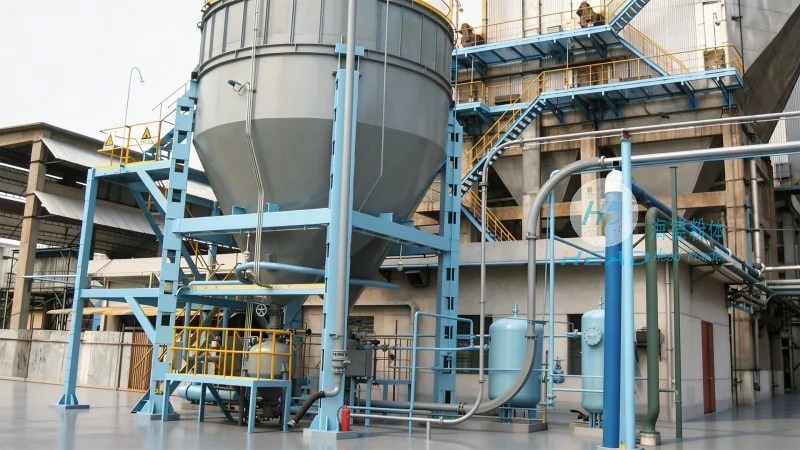
Material Handling and Downtime Reduction Strategies
For refractory material handling, minimizing downtime and ensuring continuous operation is essential. This can be achieved through several strategies, including proper system maintenance, regular cleaning of pipelines and equipment, and the use of wear-resistant components. Regular maintenance schedules should be established to check for wear and tear on critical parts like pipes, valves, and blower components. Additionally, implementing a preventive maintenance program can help identify potential issues before they lead to system failures. Another strategy is to use self-cleaning or easy-to-clean equipment designs, which can reduce the time and effort required for maintenance. Furthermore, the design of the system should include features that facilitate easy access to maintenance points, such as removable sections of the pipeline or hinged covers on equipment, making routine checks and repairs more efficient.
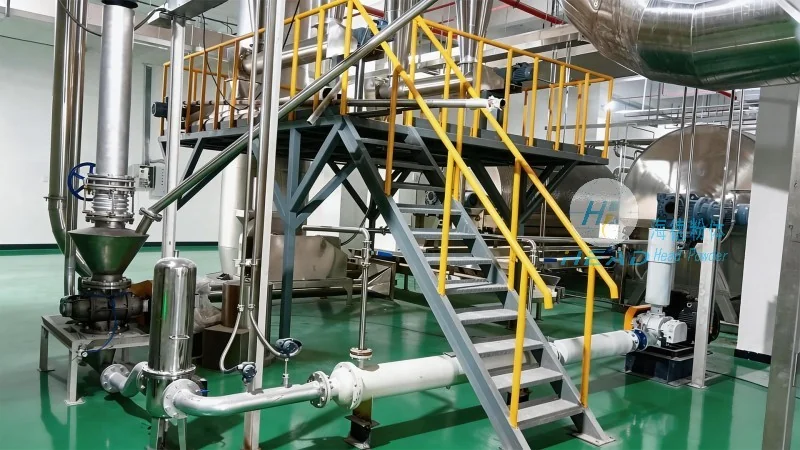
Case Study: A Successful Refractory Material Pneumatic Conveying System by Shandong HeadPowder Engineering Co., Ltd.
Shandong HeadPowder Engineering Co., Ltd., a leading provider of refractory material handling solutions, has successfully implemented numerous pneumatic conveying systems for various industrial applications. One notable case involves a client in the ceramics industry who required a system to transport fine refractory powders over a distance of 200 meters. The system designed by HeadPowder used a positive displacement blower with a pressure of 0.8 MPa and a flow rate of 500 m³/h. The pipeline was made of stainless steel with a diameter of 100 mm, and the system included a rotary valve feeder and automatic control valves. The result was a reliable and efficient system that significantly improved the client's production efficiency and reduced material handling costs. This case study highlights the importance of a well-designed system tailored to the specific needs of the application, as well as the expertise of the engineering team in selecting the right components and optimizing the system layout.
Conclusion and Best Practices
Designing a reasonable refractory material pneumatic conveying system requires a comprehensive approach that considers the material properties, operational requirements, and system constraints. By carefully selecting the system type, optimizing the layout and pipeline design, and choosing appropriate equipment, it is possible to create a system that is efficient, reliable, and cost-effective. It is also important to consider long-term maintenance and operational considerations to ensure the system's longevity and performance. As a professional in the field, staying updated with the latest technologies and best practices in pneumatic conveying can help in designing systems that meet the evolving needs of the industry. With the right approach and expertise, a well-designed refractory material pneumatic conveying system can be a valuable asset for any industrial operation.

 Công ty TNHH Kỹ thuật Công trình Bột Hải Đức Sơn Đông
 156-6277-7102(Quản lý Trương)
  0531-83386006
  Quận Chương Khâu, Thành phố Tế Nam, Tỉnh Sơn Đông, Trung Quốc
Điện thoại
WeChatTư vấn
Lên đầu