Công ty Hải Đức Bột với hơn 10 năm kinh nghiệm vận chuyển khí, cung cấp hệ thống‑thiết bị‑quạt gió và nhận dự án tổng thầu bột cả nước
Sawdust and wood chip pneumatic conveying systems are critical for efficient material handling in various industrial applications. These systems transport fine or bulk materials using air pressure, offering advantages like reduced dust, improved safety, and enhanced process control. Designing an effective system requires careful consideration of material properties, operational requirements, and system components to ensure optimal performance and longevity.
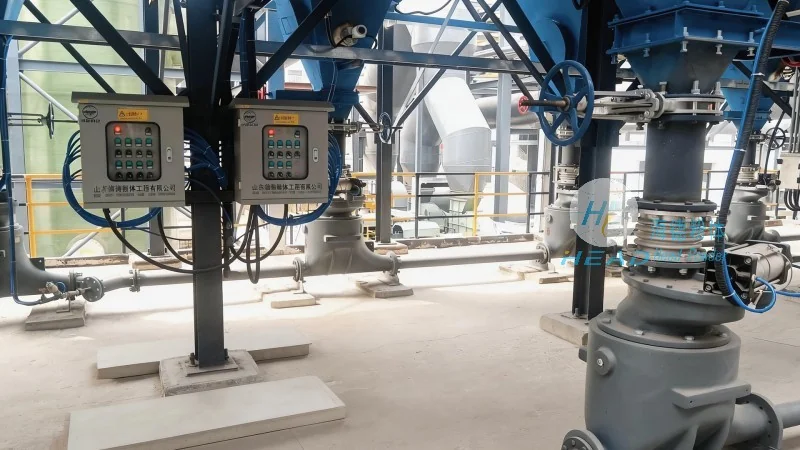
Key Factors in System Design
When designing a pneumatic conveying system for sawdust or wood chips, several key factors must be addressed. First, the physical and chemical properties of the material, such as particle size, moisture content, and abrasiveness, directly impact system selection. For example, fine sawdust may require a low-pressure system, while larger wood chips might necessitate high-pressure or dense-phase conveying. Additionally, the desired conveying distance and throughput rate are critical parameters that influence the choice of equipment and pipeline layout.
System Types and Components
There are primarily two types of pneumatic conveying systems: dilute-phase and dense-phase. Dilute-phase systems use low air velocity to transport materials in a suspended state, suitable for short distances and low material loads. Dense-phase systems, on the other hand, operate at higher air velocities and lower air-to-material ratios, ensuring material is conveyed in a compacted state, which is ideal for longer distances and higher loads. The main components of a typical system include the material feeder, air compressor, conveying pipeline, separation equipment, and control valves. Each component must be selected and sized appropriately to match the specific application requirements.
Material Feeder Selection
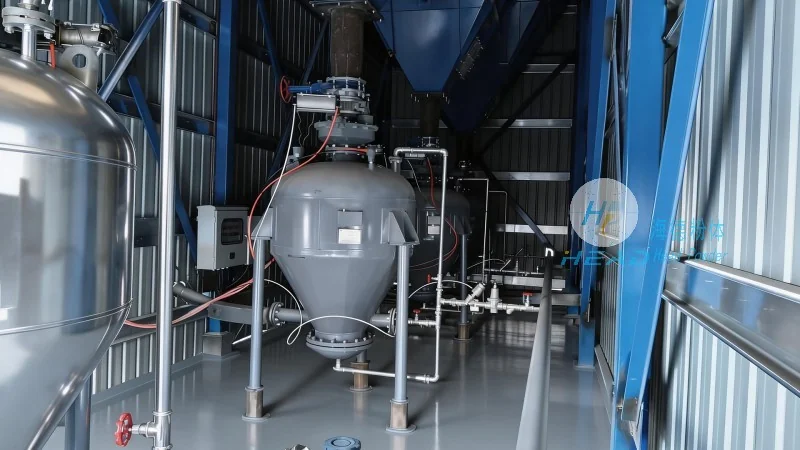
The material feeder is a critical component that controls the flow rate and consistency of the material into the system. For sawdust and wood chips, options like rotary valves, star feeders, or screw feeders are commonly used. Rotary valves are preferred for their ability to handle bulk materials and maintain a consistent flow, while star feeders are suitable for finer materials. The choice of feeder depends on factors such as material flowability, required flow rate, and system pressure. Proper feeder selection ensures smooth material introduction and prevents blockages or surges that could disrupt the conveying process.
Compressor and Air System
The air compressor is the heart of the pneumatic conveying system, providing the necessary pressure and airflow to move the material. For sawdust and wood chips, positive displacement compressors are often used due to their ability to deliver high pressure and consistent airflow. The compressor size and capacity must be matched to the system's conveying requirements, considering factors like pressure drop, material density, and pipeline length. Additionally, the air system includes filters, dryers, and regulators to ensure clean, dry air, which is essential for preventing material degradation and equipment wear.
Pipeline Design and Layout
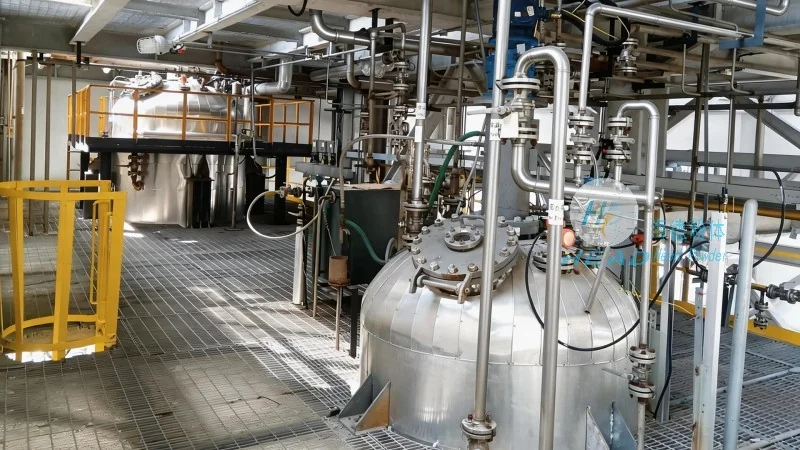
The design of the conveying pipeline is crucial for system efficiency and reliability. The pipeline material, typically stainless steel or PVC, must be selected based on the material's corrosiveness and abrasiveness. Stainless steel is preferred for its durability and resistance to corrosion, while PVC is suitable for non-abrasive materials. The pipeline layout should minimize bends and changes in direction to reduce pressure losses and prevent material buildup. Properly sized pipelines with appropriate fittings and supports ensure smooth material flow and minimize energy consumption.
Separation and Collection Equipment
At the end of the conveying system, separation and collection equipment are used to separate the material from the air and collect it in a storage or processing area. Cyclone separators are commonly used for this purpose, as they effectively separate particles from the air stream using centrifugal force. The size and number of cyclones can be adjusted based on the material's particle size and the desired collection efficiency. Additionally, filters or baghouses may be used for finer materials to ensure complete separation and prevent dust emissions. Properly designed separation equipment ensures that the material is collected efficiently and that the air is clean before being discharged or recirculated.
Control and Monitoring Systems
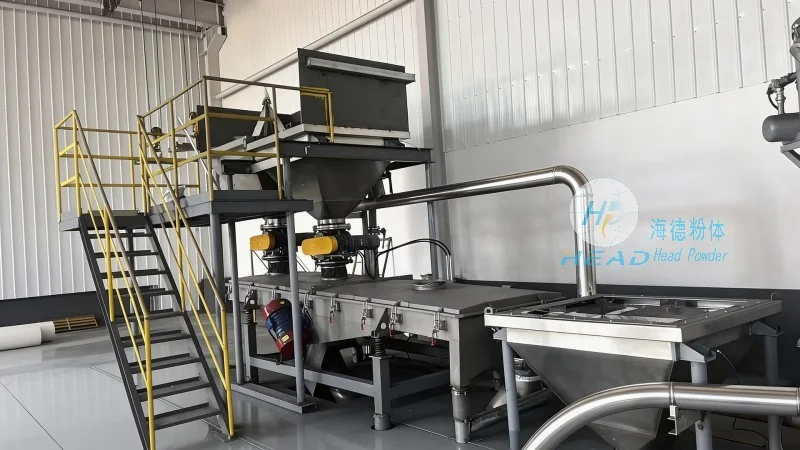
Modern pneumatic conveying systems often include control and monitoring systems to optimize performance and prevent issues. These systems may include pressure sensors, flow meters, and control valves that adjust the system's operation based on real-time conditions. For example, if the pressure in the pipeline drops, the system can automatically adjust the air flow or material feed rate to maintain optimal conveying conditions. Additionally, monitoring systems can provide data on system performance, such as throughput rate, energy consumption, and equipment wear, allowing for proactive maintenance and troubleshooting. Implementing advanced control and monitoring systems enhances system reliability and reduces downtime.
Installation and Maintenance Considerations
Proper installation and regular maintenance are essential for the long-term performance of a pneumatic conveying system. Installation should follow manufacturer guidelines, ensuring that all components are properly aligned and secured. Regular maintenance, including cleaning, lubrication, and inspection of components, helps prevent wear and tear and extends the system's lifespan. For sawdust and wood chip systems, regular cleaning of the pipeline and separation equipment is crucial to prevent material buildup and maintain system efficiency. Additionally, monitoring for signs of wear, such as increased pressure drop or reduced throughput, can help identify potential issues before they become major problems.
Conclusion
Designing a reasonable sawdust and wood chip pneumatic conveying system requires a comprehensive approach that considers material properties, operational requirements, and system components. By carefully selecting the appropriate system type, components, and layout, and implementing proper control and maintenance practices, industrial facilities can achieve efficient and reliable material handling. Shandong HeadPowder Engineering Co., Ltd., a leading provider in this field, offers expert design and implementation services to help clients optimize their pneumatic conveying systems and improve overall operational efficiency.

 Công ty TNHH Kỹ thuật Công trình Bột Hải Đức Sơn Đông
 156-6277-7102(Quản lý Trương)
  0531-83386006
  Quận Chương Khâu, Thành phố Tế Nam, Tỉnh Sơn Đông, Trung Quốc
Điện thoại
WeChatTư vấn
Lên đầu