Công ty Hải Đức Bột với hơn 10 năm kinh nghiệm vận chuyển khí, cung cấp hệ thống‑thiết bị‑quạt gió và nhận dự án tổng thầu bột cả nước
For industrial operations dealing with seaweed residue, selecting an efficient and reliable pneumatic conveying system is crucial for maintaining operational efficiency and minimizing downtime. This article provides a comprehensive guide on designing a reasonable seaweed residue particle pneumatic conveying system, focusing on key considerations, system components, and practical implementation strategies.
Understanding the Core Requirements of Seaweed Residue Pneumatic Conveying
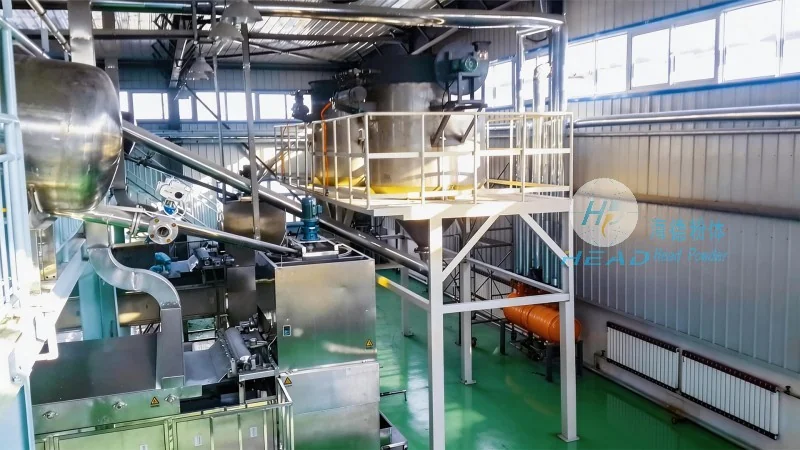
Before designing a pneumatic conveying system for seaweed residue, it is essential to understand the unique characteristics of the material. Seaweed residue typically consists of fibrous, moisture-rich particles that can vary in size and density. These properties directly impact the system's design, as they influence air flow requirements, particle velocity, and equipment selection. Proper characterization of the residue—including its bulk density, particle size distribution, and moisture content—is the first step in ensuring an effective system design.
Key Design Considerations for Pneumatic Conveying Systems
Several critical factors must be considered when designing a pneumatic conveying system for seaweed residue. The first is the system's capacity, which should align with the production rate of the seaweed processing facility. Overdesigning or underdesigning the system can lead to inefficiencies or equipment failure. Additionally, the distance and layout of the conveying line are vital; longer distances or complex routes may require higher air pressure or specialized equipment to maintain particle transport. The choice between positive and negative pressure systems also plays a significant role. Positive pressure systems are ideal for short-distance or horizontal conveying, while negative pressure systems are better suited for long-distance or vertical transport, as they help minimize dust emissions and maintain material integrity.
System Components and Their Roles
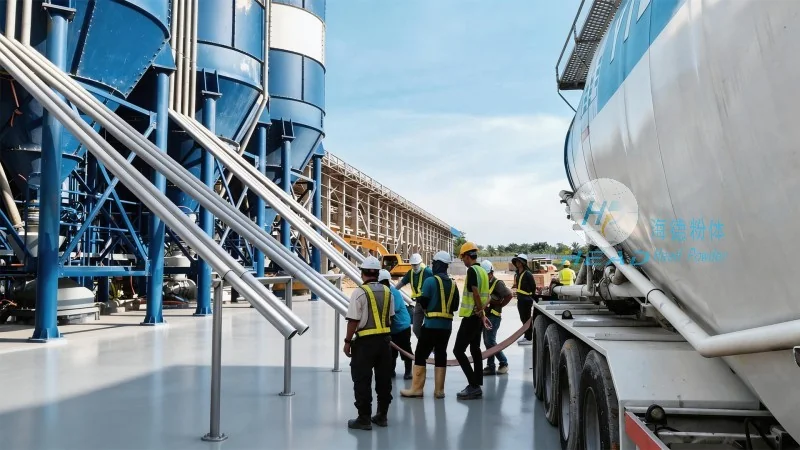
A pneumatic conveying system for seaweed residue typically consists of several key components, each with a specific function. The primary components include a material feeder, which controls the flow of seaweed residue into the system; a conveying line, which transports the particles using air; a separator, which separates the conveyed material from the air stream; and a collection hopper, which stores the processed residue. The material feeder is often designed as a rotary valve or a screw feeder to ensure consistent material flow and prevent blockages. The conveying line is usually made of stainless steel or other corrosion-resistant materials to withstand the acidic nature of seaweed residue. The separator, such as a cyclone or a bag filter, is critical for capturing particles and returning them to the system while allowing clean air to be discharged. The collection hopper is designed to store the residue safely, with features like a discharge valve to control material release.
Optimizing Air Flow and Pressure for Efficient Transport
Optimizing air flow and pressure is a critical aspect of pneumatic conveying system design. The air velocity must be sufficient to keep the seaweed residue particles suspended in the air stream without causing excessive wear on the system components. Typically, air velocities range from 20 to 30 meters per second for fine particles, while larger particles may require higher velocities. The pressure of the system is determined by the conveying distance and the material's properties. For short-distance conveying, low-pressure systems (up to 0.5 bar) may suffice, while long-distance or vertical conveying may require high-pressure systems (up to 10 bar). Proper air flow optimization ensures that the system operates efficiently, minimizing energy consumption and reducing the risk of material degradation.
Ensuring System Reliability and Maintenance
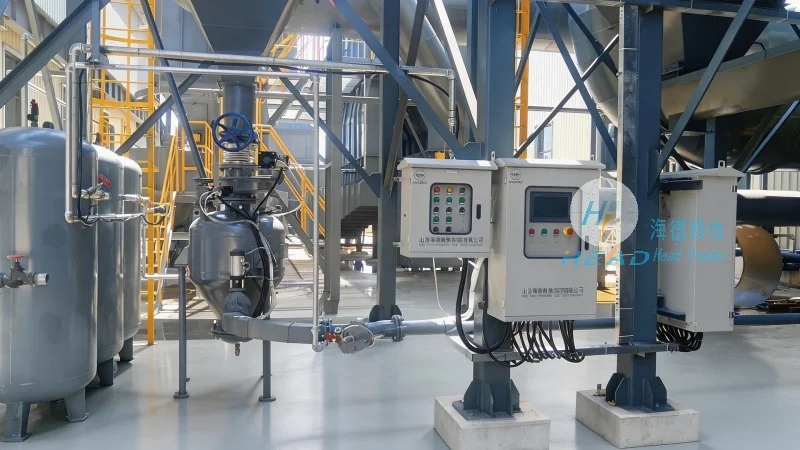
Reliability and ease of maintenance are essential for the long-term operation of a pneumatic conveying system. Seaweed residue can be abrasive and corrosive, which means that system components must be constructed from durable materials, such as stainless steel or high-grade plastics. Regular maintenance is also crucial to prevent clogging and ensure consistent performance. This includes cleaning the conveying line, replacing worn parts, and checking for leaks in the air system. Implementing a preventive maintenance schedule can help identify potential issues before they lead to system failure, reducing downtime and maintenance costs.
Case Study: Successful Implementation by Shandong HeadPowder Engineering Co., Ltd.
Shandong HeadPowder Engineering Co., Ltd., a leading provider of industrial conveying solutions, has successfully designed and implemented seaweed residue pneumatic conveying systems for several clients. One notable project involved a seaweed processing facility in China that required a system to transport residue from a drying unit to a storage silo over a distance of 50 meters. The system was designed as a positive pressure system with a capacity of 10 tons per hour, using a rotary valve feeder and a stainless steel conveying line. The system has been in operation for over two years, with minimal downtime and high efficiency. The client reported significant improvements in operational efficiency and reduced labor costs due to the automated material handling process.
Conclusion: Designing an Effective Seaweed Residue Pneumatic Conveying System
Designing a reasonable seaweed residue particle pneumatic conveying system requires careful consideration of material properties, system capacity, and operational requirements. By understanding the unique characteristics of seaweed residue and selecting the appropriate system components, such as the material feeder, conveying line, and separator, operators can achieve efficient and reliable material transport. Optimizing air flow and pressure, along with implementing proper maintenance practices, further enhances system performance and longevity. For industrial facilities dealing with seaweed residue, partnering with a specialized engineering company like Shandong HeadPowder Engineering Co., Ltd. can ensure that the system is designed to meet specific needs, providing long-term benefits and operational efficiency.

 Công ty TNHH Kỹ thuật Công trình Bột Hải Đức Sơn Đông
 156-6277-7102(Quản lý Trương)
  0531-83386006
  Quận Chương Khâu, Thành phố Tế Nam, Tỉnh Sơn Đông, Trung Quốc
Điện thoại
WeChatTư vấn
Lên đầu