Công ty Hải Đức Bột với hơn 10 năm kinh nghiệm vận chuyển khí, cung cấp hệ thống‑thiết bị‑quạt gió và nhận dự án tổng thầu bột cả nước
When it comes to handling silica fume powder, selecting the right pneumatic conveying system is crucial for efficiency and reliability. Silica fume, a byproduct of the silicon metal production process, is known for its high surface area and reactivity, making it essential in various industrial applications like concrete additives and specialty chemicals. The design of an effective pneumatic conveying system for silica fume requires careful consideration of material properties, process requirements, and operational conditions.
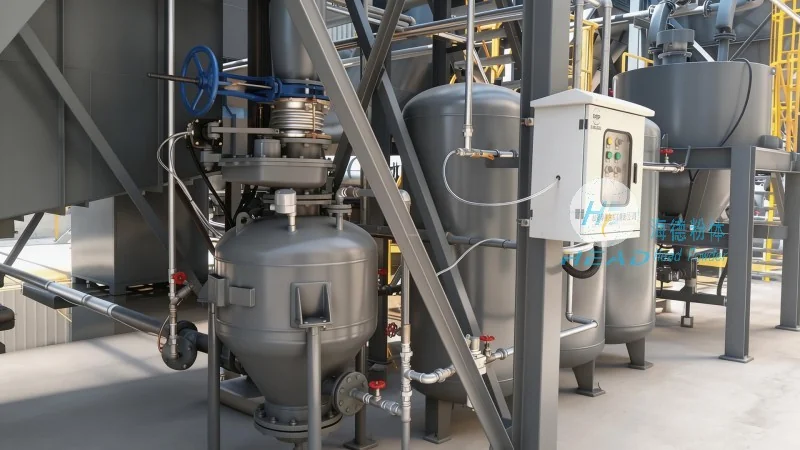
Key Considerations in System Design
Several critical factors must be evaluated when designing a silica fume pneumatic conveying system. First, the particle size and density of the silica fume powder significantly impact the system's performance. Smaller particles may require higher air velocities to maintain flow, while larger particles might need different nozzle designs and air pressure settings. Additionally, the moisture content of the powder can affect its flowability and the risk of clogging in the conveying lines. Proper moisture control and material conditioning are essential to ensure consistent performance.
System Components and Their Functions
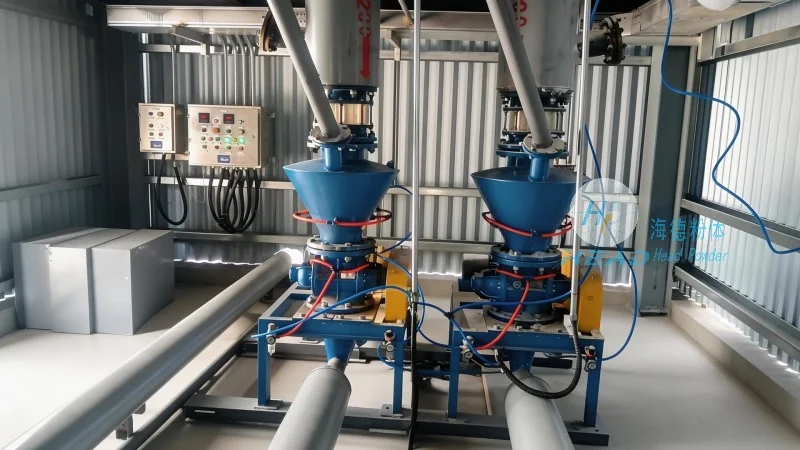
A typical silica fume pneumatic conveying system consists of several key components that work together to transport the material. The primary components include a hopper or silo for material storage, a feeder to control the discharge rate, a conveying line with appropriate ductwork, and a dust collection system to capture any particles that escape. The hopper design often incorporates a cone or a venturi to facilitate smooth material flow and prevent bridging. The feeder, usually a rotary valve or a screw feeder, ensures a consistent and controlled flow rate, which is vital for maintaining system efficiency and preventing surges or backflow.
Choosing the Right Conveying Method
There are two main types of pneumatic conveying systems: dilute phase and dense phase. Dilute phase systems use high air velocities to suspend particles in the air stream, typically operating at air velocities above 20 m/s. This method is suitable for transporting fine powders like silica fume over moderate distances. Dense phase systems, on the other hand, use lower air velocities and higher air pressure to push the material through the line, often using a piston or a positive displacement pump. Dense phase conveying is ideal for handling larger particles or when the material is prone to clogging. For silica fume, a dilute phase system is commonly preferred due to its ability to handle fine particles efficiently and maintain low pressure drops.
Designing for Efficiency and Reliability
Efficiency in a silica fume pneumatic conveying system is achieved through proper sizing of the components and optimizing the air flow. The air compressor must be sized to provide sufficient pressure and volume to maintain the required air velocity in the conveying line. The ductwork should be designed with smooth transitions and minimal bends to reduce pressure losses. Additionally, the use of appropriate filters and cyclones in the dust collection system helps maintain system cleanliness and prevent material buildup that could lead to system failures. Regular maintenance, including cleaning of filters and checking for wear in the feeder and ductwork, is essential to ensure long-term reliability.
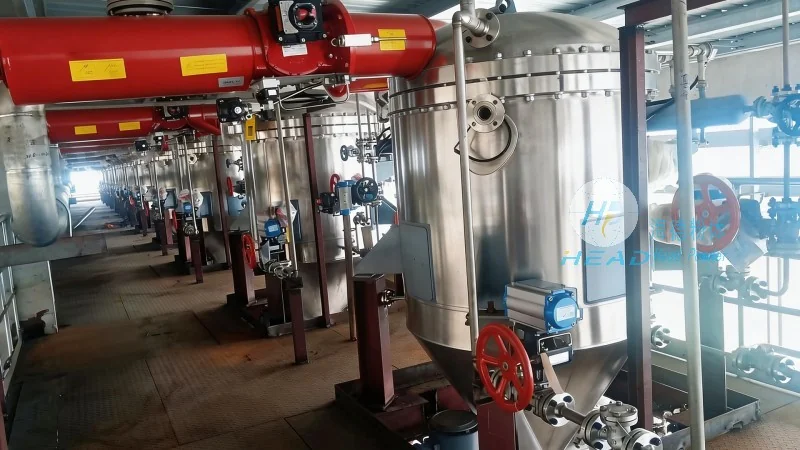
Case Study: A Successful Silica Fume Pneumatic Conveying System
Shandong HeadPowder Engineering Co., Ltd., a leading provider of material handling solutions, recently completed a project for a concrete additive manufacturer. The client required a system to transport silica fume from storage silos to a mixing plant over a distance of 50 meters. The system was designed as a dilute phase pneumatic conveying system with a rotary valve feeder and a high-pressure air compressor. The design considered the fine particle size of the silica fume and the need for consistent flow rates. The system has been in operation for over a year, achieving a conveying rate of 10 tons per hour with minimal downtime. The client reported significant improvements in production efficiency and reduced material handling costs, highlighting the effectiveness of the designed system.
Conclusion and Recommendations
Designing a rational silica fume pneumatic conveying system involves a comprehensive approach that considers material properties, process requirements, and operational conditions. By selecting the appropriate conveying method, properly sizing components, and implementing effective maintenance practices, manufacturers can achieve efficient and reliable material transport. For businesses looking to implement or upgrade their silica fume handling systems, consulting with experienced engineering firms like Shandong HeadPowder Engineering Co., Ltd. can provide valuable insights and ensure the system meets their specific needs. With the right design and components, pneumatic conveying systems can effectively handle silica fume, supporting production efficiency and cost savings in various industrial applications.

 Công ty TNHH Kỹ thuật Công trình Bột Hải Đức Sơn Đông
 156-6277-7102(Quản lý Trương)
  0531-83386006
  Quận Chương Khâu, Thành phố Tế Nam, Tỉnh Sơn Đông, Trung Quốc
Điện thoại
WeChatTư vấn
Lên đầu