Công ty Hải Đức Bột với hơn 10 năm kinh nghiệm vận chuyển khí, cung cấp hệ thống‑thiết bị‑quạt gió và nhận dự án tổng thầu bột cả nước
When it comes to handling and transporting glucose powder efficiently, selecting the right pneumatic conveying system is crucial. A well-designed system not only ensures the safe and reliable movement of the material but also minimizes operational costs and maintenance requirements. This article provides a comprehensive guide on how to design a reasonable glucose powder pneumatic conveying system plan, focusing on key considerations and best practices.
Understanding the Basics of Pneumatic Conveying for Glucose Powder
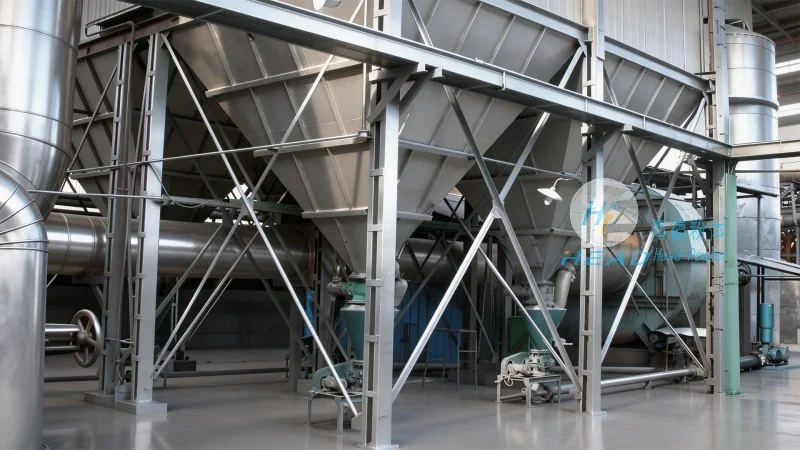
Pneumatic conveying systems use air or other gases to transport bulk materials like glucose powder from one location to another. These systems are widely used in the food and pharmaceutical industries due to their ability to handle fine powders without generating dust or contamination. The primary goal of designing such a system is to ensure that the powder is conveyed smoothly, with minimal degradation and no product loss.
Key Factors to Consider in System Design
Several critical factors must be considered when designing a glucose powder pneumatic conveying system. These include the material properties of the glucose powder, the required conveying distance and capacity, the available space for installation, and the environmental regulations that must be adhered to. Each of these factors plays a significant role in determining the most suitable system configuration.
Material Properties and Their Impact on Conveying
The physical and chemical properties of glucose powder, such as particle size, density, moisture content, and flowability, directly influence the choice of pneumatic conveying technology. For example, fine glucose powders may require high-pressure or dense-phase conveying to prevent segregation and ensure consistent flow. Understanding these properties helps in selecting the appropriate air velocity, pressure, and system components like pumps, ducts, and filters.
System Capacity and Throughput Requirements
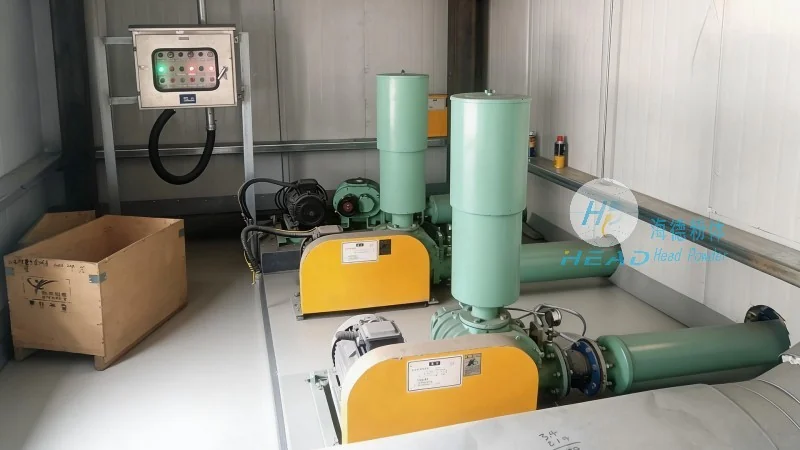
The capacity and throughput of the glucose powder pneumatic conveying system must align with the production needs of the facility. This involves calculating the required flow rate based on the production volume and the time available for material transfer. Overdesigning or underdesigning the system can lead to inefficiencies, such as bottlenecks or excessive energy consumption. Proper sizing ensures that the system operates at optimal performance levels.
Space Constraints and Installation Considerations
Space availability is another important factor in system design. Pneumatic conveying systems can be installed in various configurations, including horizontal, vertical, or a combination of both. The layout must be planned to minimize the length of ductwork and the number of bends, as these can affect the system's efficiency and pressure drop. Additionally, the system should be positioned to facilitate easy access for maintenance and cleaning, ensuring long-term reliability.
Compliance with Environmental and Safety Standards
Designing a glucose powder pneumatic conveying system must comply with relevant environmental and safety regulations. This includes measures to prevent dust emissions, control air quality, and ensure the safety of operators. Proper filtration systems, dust collection equipment, and ventilation are essential components to meet these standards. Compliance not only avoids legal issues but also enhances the overall safety of the operation.
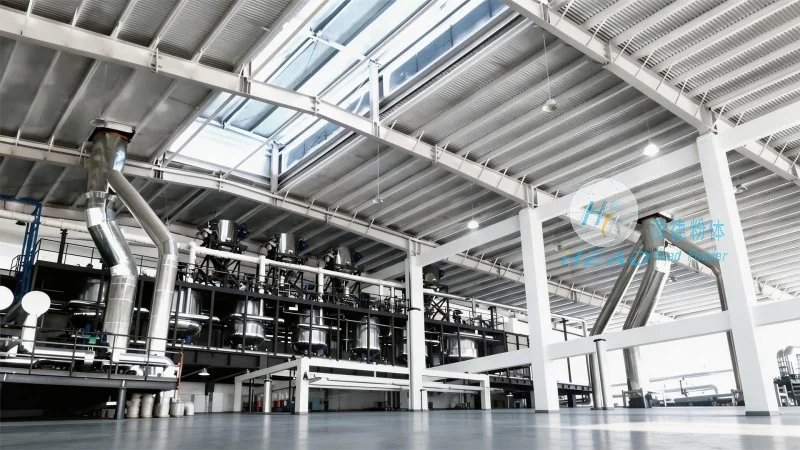
Choosing the Right Equipment for the Glucose Powder System
Selecting the appropriate equipment is critical to the success of the pneumatic conveying system. For glucose powder, common equipment includes rotary airlocks, feeders, air compressors, and conveying ducts. The choice of equipment depends on the system's design parameters, such as pressure, flow rate, and material characteristics. For instance, a high-pressure system may require a specific type of air compressor and duct material to withstand the pressure and prevent leaks.
System Integration and Control
Integrating the glucose powder pneumatic conveying system with other processes in the facility is essential for seamless operation. This involves coordinating the system with feeders, storage silos, and processing equipment. Proper control systems, such as PLCs (Programmable Logic Controllers), are used to monitor and regulate the conveying process, ensuring that the system operates efficiently and safely. Automation helps in reducing human error and improving the overall reliability of the system.
Maintenance and Long-Term Reliability
Regular maintenance is crucial to ensure the long-term reliability and efficiency of the glucose powder pneumatic conveying system. This includes routine checks of equipment, cleaning of ducts and filters, and replacement of worn-out parts. A well-maintained system can operate for extended periods with minimal downtime and reduced operational costs. Implementing a preventive maintenance schedule helps in identifying potential issues before they become major problems.
Conclusion
Designing a reasonable glucose powder pneumatic conveying system requires a thorough understanding of the material properties, operational requirements, and environmental regulations. By considering these factors and selecting the appropriate equipment and controls, a system can be designed to meet the specific needs of the facility. The expertise of companies like Shandong HeadPowder Engineering Co., Ltd. can be invaluable in ensuring that the system is optimized for performance, efficiency, and reliability. With the right design and maintenance, a pneumatic conveying system can provide years of trouble-free operation, contributing to the overall success of the glucose powder handling process.

 Công ty TNHH Kỹ thuật Công trình Bột Hải Đức Sơn Đông
 156-6277-7102(Quản lý Trương)
  0531-83386006
  Quận Chương Khâu, Thành phố Tế Nam, Tỉnh Sơn Đông, Trung Quốc
Điện thoại
WeChatTư vấn
Lên đầu