Công ty Hải Đức Bột với hơn 10 năm kinh nghiệm vận chuyển khí, cung cấp hệ thống‑thiết bị‑quạt gió và nhận dự án tổng thầu bột cả nước
When it comes to handling metal silicon in industrial settings, selecting the right conveying method is crucial for efficiency, safety, and cost-effectiveness. Metal silicon, a key material in the silicon industry, requires specialized equipment to ensure smooth and reliable transport from one point to another. This article provides a detailed comparison of common metal silicon conveying methods, highlighting their advantages, limitations, and applications. The information is presented by Shandong HeadPowder Engineering Co., Ltd., a leading provider of industrial conveying solutions based in Shandong, China.
Screw Conveyors: The Traditional Choice for Metal Silicon Transport
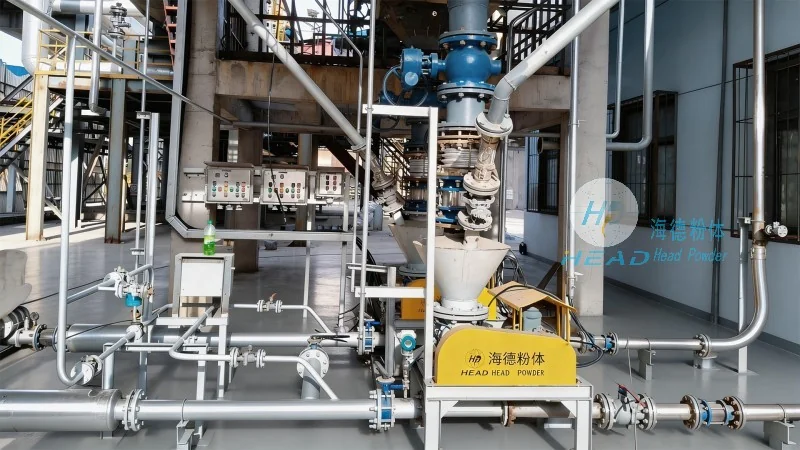
Screw conveyors, also known as auger conveyors, are one of the most widely used methods for transporting metal silicon. These systems consist of a rotating helical screw inside a trough or tube, which moves material forward through the mechanism. For metal silicon, screw conveyors offer several benefits. They are relatively simple in design, making them easy to install and maintain. Additionally, they can handle a wide range of particle sizes and moisture content, which is important for metal silicon that may vary in consistency. The enclosed design of screw conveyors also helps to contain dust and prevent contamination, a critical factor in metal silicon processing. However, screw conveyors have limitations when dealing with very abrasive or sticky metal silicon. The continuous rotation can cause wear on the screw and trough, leading to higher maintenance costs over time. They are also less effective for vertical lifting compared to other methods, as the material must be fed at the bottom and discharged at the top.
Pneumatic Conveying: High-Speed and Flexible Metal Silicon Transport
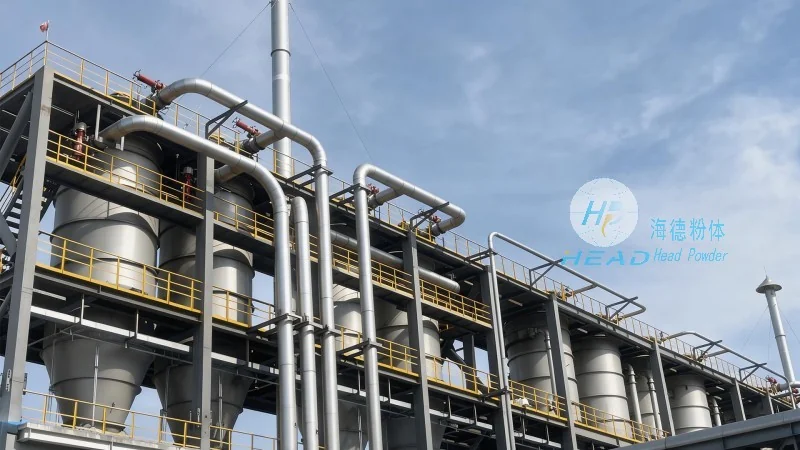
Pneumatic conveying systems use air or other gases to transport metal silicon through a pipeline. This method is highly flexible and can be adapted to various layouts, including horizontal, vertical, and even complex routes. The primary advantage of pneumatic conveying is its speed and ability to transport metal silicon over long distances without the need for multiple transfer points. It also allows for the integration of dust collection and filtration systems, which is essential for maintaining a clean environment in metal silicon processing facilities. Pneumatic conveying can handle both dry and slightly moist metal silicon, though the moisture content must be controlled to prevent clogging. However, this method has its drawbacks. It requires a significant amount of energy to generate the air pressure needed for transport, which increases operational costs. Additionally, the system is more complex, with components like air compressors, filters, and control valves that need regular maintenance. For metal silicon with high abrasiveness, the internal surfaces of the pipeline can wear out quickly, reducing the system's lifespan.
Vibrating Conveyors: Gentle and Efficient Metal Silicon Handling
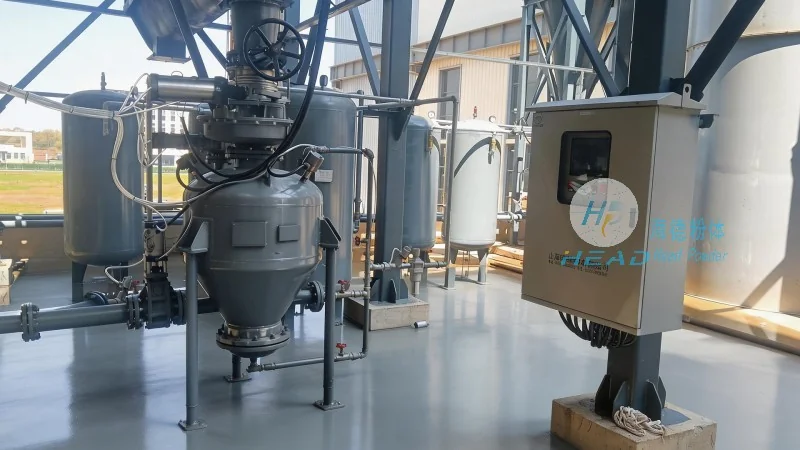
Vibrating conveyors utilize vibration to move metal silicon along a trough. The system consists of a conveyor bed that is vibrated at specific frequencies and amplitudes, causing the material to move forward. This method is particularly suitable for metal silicon that is sensitive to impact or abrasion. The gentle movement reduces product degradation and minimizes dust generation, making it ideal for applications where product quality is paramount. Vibrating conveyors are also effective for handling materials with high moisture content or sticky properties, as the vibration helps to break up clumps and prevent clogging. They are relatively low-maintenance compared to other systems, as there are no rotating parts that can wear out. However, vibrating conveyors have limitations in terms of distance and speed. They are generally used for shorter distances and lower throughput compared to screw or pneumatic conveyors. The system also requires a stable foundation to prevent vibration transmission to the surrounding environment.
Comparison and Selection Criteria for Metal Silicon Conveying
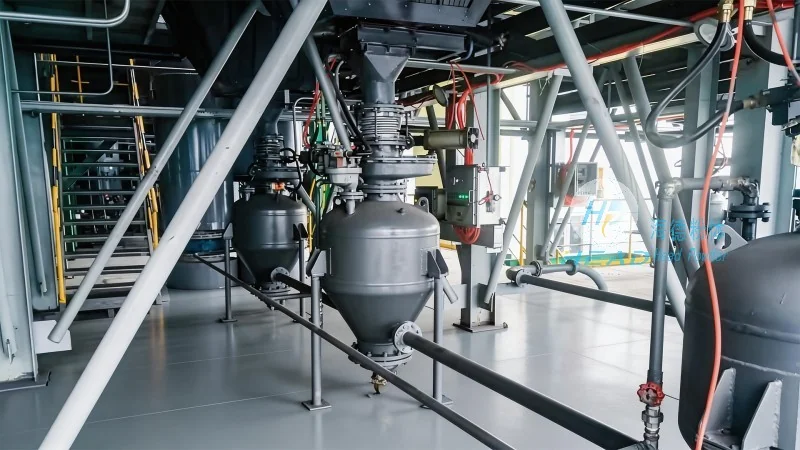
When choosing a metal silicon conveying method, several factors must be considered to ensure the best fit for the application. The first consideration is the material characteristics of the metal silicon, including particle size, moisture content, and abrasiveness. For example, if the metal silicon is very abrasive, pneumatic conveying may not be suitable due to wear on the pipeline, and a screw conveyor with wear-resistant materials might be a better choice. The second factor is the distance and layout of the transport route. For short horizontal distances, a screw conveyor might be sufficient, while for long distances or complex routes, pneumatic conveying is more appropriate. The third factor is the required throughput and speed. If high throughput is needed, pneumatic conveying can handle larger volumes compared to screw or vibrating conveyors. The fourth factor is the budget and maintenance requirements. Screw conveyors are generally lower in initial cost and maintenance, while pneumatic conveyors have higher energy costs and more complex maintenance. Shandong HeadPowder Engineering Co., Ltd. offers a range of conveying solutions tailored to these factors, providing customized systems that meet the specific needs of metal silicon processing facilities.
Conclusion: Selecting the Right Metal Silicon Conveying Method
Each metal silicon conveying method has its strengths and weaknesses, and the best choice depends on the specific requirements of the application. Screw conveyors are a reliable and cost-effective option for many metal silicon transport needs, especially for horizontal or short vertical transport. Pneumatic conveying offers high speed and flexibility but at a higher cost and complexity. Vibrating conveyors provide gentle handling and are suitable for sensitive materials. By carefully evaluating the material characteristics, transport distance, throughput, and budget, industrial facilities can select the most appropriate conveying method for their metal silicon operations. Shandong HeadPowder Engineering Co., Ltd. specializes in designing and manufacturing customized conveying systems that optimize performance and efficiency for metal silicon processing, ensuring that clients achieve their production goals while maintaining safety and quality standards.

 Công ty TNHH Kỹ thuật Công trình Bột Hải Đức Sơn Đông
 156-6277-7102(Quản lý Trương)
  0531-83386006
  Quận Chương Khâu, Thành phố Tế Nam, Tỉnh Sơn Đông, Trung Quốc
Điện thoại
WeChatTư vấn
Lên đầu