Công ty Hải Đức Bột với hơn 10 năm kinh nghiệm vận chuyển khí, cung cấp hệ thống‑thiết bị‑quạt gió và nhận dự án tổng thầu bột cả nước
When it comes to handling PVC pellets in industrial settings, selecting the right conveying method is crucial for efficiency, cost-effectiveness, and operational safety. PVC pellets are widely used in manufacturing processes due to their versatility and durability, making the choice of a suitable conveying system a critical decision for businesses. This article provides a detailed comparison of common PVC pellet conveying methods, highlighting their features, advantages, and applications. The information is presented by Shandong HeadPowder Engineering Co., Ltd., a leading provider of material handling solutions based in China.
Company Overview: Shandong HeadPowder Engineering Co., Ltd.
HeadPowder Engineering Co., Ltd. is a professional manufacturer and supplier specializing in material handling equipment. With years of experience in the industry, the company offers a wide range of solutions tailored to meet the specific needs of clients. HeadPowder is committed to delivering high-quality products and services, ensuring that customers receive reliable and efficient conveying systems for their PVC pellet handling requirements. The company’s headquarters is located in Shandong, China, where it operates a state-of-the-art manufacturing facility equipped with advanced technology and skilled workforce.
1. Screw Conveyor for PVC Pellets
Screw conveyors are one of the most common and widely used methods for transporting PVC pellets. These systems consist of a rotating screw (also known as a helicoid) enclosed in a U-shaped or cylindrical housing. As the screw rotates, it pushes the pellets forward along the conveyor, making it an ideal choice for horizontal or slightly inclined applications. Screw conveyors are particularly effective for handling bulk materials like PVC pellets, as they can transport materials over relatively short distances with minimal maintenance. One of the key advantages of screw conveyors is their ability to handle a wide range of materials, including those with varying moisture content or particle sizes. However, they may not be suitable for long-distance or high-capacity applications, as the friction between the pellets and the screw can lead to increased energy consumption and potential wear on the equipment. Screw conveyors are commonly used in applications such as raw material feeding, product transfer between processing stages, and storage system integration.
2. Pneumatic Conveying System for PVC Pellets
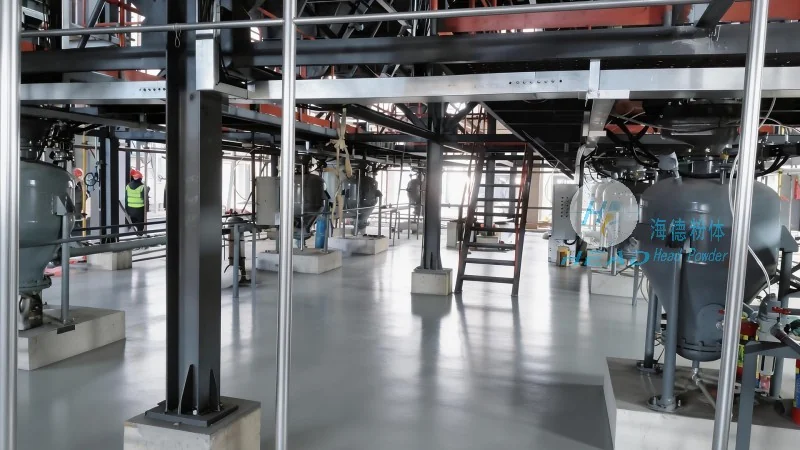
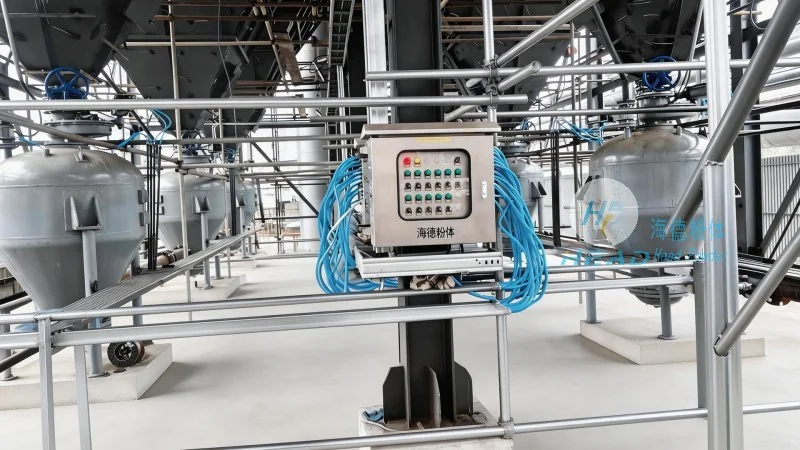
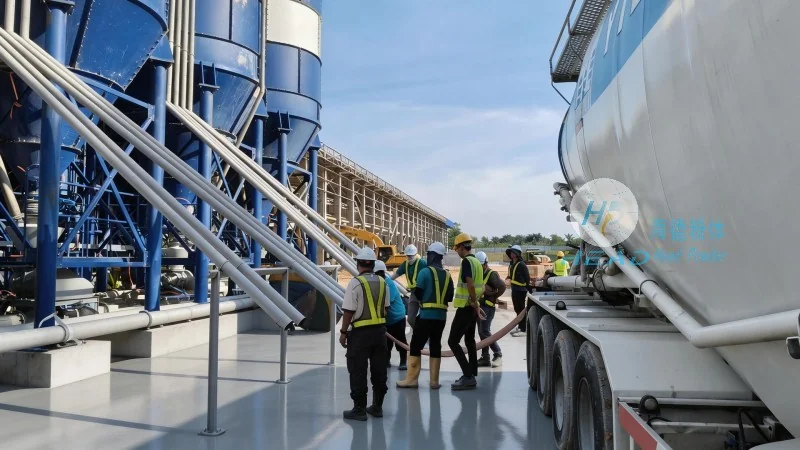
Pneumatic conveying systems use air or other gases to transport PVC pellets through a pipeline network. This method is particularly suitable for applications requiring high-speed, long-distance, or dust-free conveying. There are two main types of pneumatic conveyors: pressure and vacuum systems. Pressure systems operate by blowing air into the pipeline, pushing the pellets forward, while vacuum systems use suction to draw the pellets into the line. Pneumatic conveying offers several advantages, including the ability to transport materials over long distances (up to several kilometers) and the elimination of the need for mechanical components at the transfer points. This reduces the risk of material contamination and mechanical wear. However, pneumatic systems require more energy compared to other methods and may be less efficient for handling large volumes of pellets. They are also more complex to install and maintain, as they involve a network of pipes, valves, and air compressors. Pneumatic conveying is commonly used in applications such as material transfer between different production lines, storage and retrieval systems, and processes that require a dust-free environment.
3. Belt Conveyor for PVC Pellets
Belt conveyors are another popular option for PVC pellet conveying, especially in applications requiring high-capacity and continuous material transport. These systems consist of a continuous belt that moves over rollers or pulleys, transporting the pellets from one point to another. Belt conveyors are highly efficient for horizontal or slightly inclined transport and can handle large volumes of material with minimal energy consumption. One of the main advantages of belt conveyors is their ability to transport materials over long distances with consistent speed and capacity. They are also relatively simple to install and maintain, as the components are straightforward and easy to replace. However, belt conveyors may not be suitable for applications involving high moisture content or sticky materials, as the belt can become clogged or damaged. Additionally, they require regular cleaning and maintenance to prevent material buildup and ensure smooth operation. Belt conveyors are commonly used in applications such as raw material feeding, product transfer in large-scale production lines, and storage system integration.
4. Bucket Elevator for PVC Pellets
Bucket elevators are vertical or inclined conveyors that use buckets attached to a chain or belt to transport PVC pellets. These systems are particularly effective for vertical or steeply inclined transport, making them ideal for applications where the material needs to be lifted to a higher level. Bucket elevators are capable of handling large volumes of material and can transport pellets over significant vertical distances with high efficiency. One of the key advantages of bucket elevators is their ability to handle materials with high moisture content or sticky properties, as the buckets can effectively lift and transport the material without clogging. However, bucket elevators require more maintenance compared to other systems, as the buckets and chains are subject to wear and tear. They are also more complex to install and may require additional support structures. Bucket elevators are commonly used in applications such as material feeding for processing equipment, storage system integration, and vertical transport in manufacturing facilities.
5. Comparison of PVC Pellet Conveying Methods
When selecting a PVC pellet conveying method, it is essential to consider several factors, including the distance of transport, material characteristics, required capacity, and operational environment. The choice of method can significantly impact the overall efficiency and cost of the material handling process. Here is a comparison of the common methods discussed above:
Distance and Capacity: Screw conveyors are suitable for short distances and moderate capacities, while pneumatic systems and belt conveyors can handle longer distances and higher capacities. Bucket elevators are ideal for vertical transport over significant heights.
Material Characteristics: Screw conveyors are versatile and can handle a wide range of materials, including those with varying moisture content. Pneumatic systems are better suited for dry, free-flowing materials. Belt conveyors can handle a variety of materials but may struggle with sticky or wet pellets. Bucket elevators are effective for materials with high moisture content or sticky properties.
Energy Consumption: Screw conveyors and belt conveyors generally have lower energy consumption compared to pneumatic systems, which require air compressors and consume more energy. Bucket elevators have moderate energy consumption, depending on the vertical distance and material load.
Maintenance and Complexity: Screw conveyors and belt conveyors are relatively simple to maintain and install. Pneumatic systems are more complex and require regular maintenance of the air system. Bucket elevators require more maintenance due to the moving parts and potential wear.
By carefully evaluating these factors, businesses can select the most appropriate PVC pellet conveying method that meets their specific requirements and operational needs. Shandong HeadPowder Engineering Co., Ltd. offers a range of conveying solutions tailored to these considerations, ensuring that clients receive reliable and efficient systems for their PVC pellet handling applications.

 Công ty TNHH Kỹ thuật Công trình Bột Hải Đức Sơn Đông
 156-6277-7102(Quản lý Trương)
  0531-83386006
  Quận Chương Khâu, Thành phố Tế Nam, Tỉnh Sơn Đông, Trung Quốc
Điện thoại
WeChatTư vấn
Lên đầu