Công ty Hải Đức Bột với hơn 10 năm kinh nghiệm vận chuyển khí, cung cấp hệ thống‑thiết bị‑quạt gió và nhận dự án tổng thầu bột cả nước
When it comes to transporting coke in industrial settings, selecting the right method is crucial for efficiency, cost-effectiveness, and operational safety. Various transport systems are available, each with distinct characteristics that make them suitable for different applications. This article provides an overview of common coke transport methods, analyzing their advantages and disadvantages to help industrial operators make informed decisions.
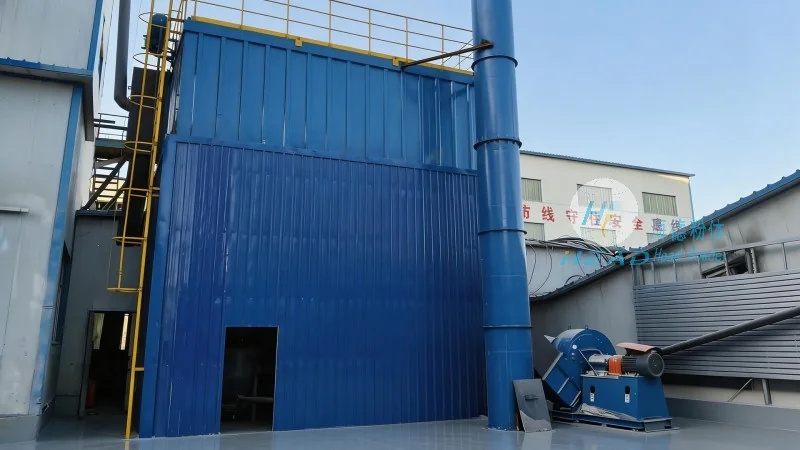
1. Belt Conveyor System: A Versatile Option for Bulk Material Handling
One of the most widely used methods for coke transport is the belt conveyor. This system consists of a continuous loop of material (usually rubber or synthetic) that moves over rollers or pulleys. The belt conveyor is highly effective for transporting large volumes of coke over long distances, making it ideal for industrial plants and mining operations. The advantages of belt conveyors include high capacity, low maintenance costs, and the ability to handle heavy loads without significant wear and tear. However, they have limitations, such as the need for regular tension adjustments and potential for material spillage if not properly maintained. Additionally, belt conveyors may not be suitable for transporting coke with high moisture content or in environments with extreme temperatures.
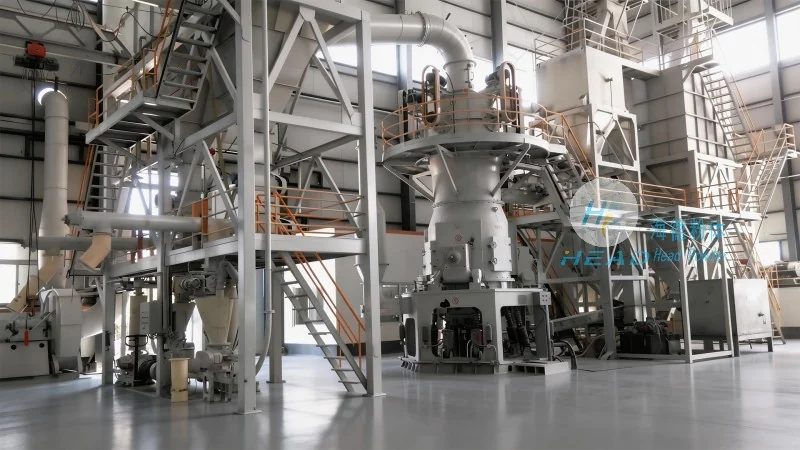
2. Pneumatic Conveying System: Efficient for Fine and Dusty Materials
Another common method is pneumatic conveying, which uses air pressure to move coke particles through a pipeline. This system is particularly effective for transporting fine coke or coke dust, as it can handle materials with high moisture content and prevent dust contamination. The advantages of pneumatic conveying include the ability to transport materials vertically and horizontally, minimal space requirements, and the prevention of material degradation due to friction. However, this method has its drawbacks, including higher energy consumption compared to other systems, potential for air leaks, and the need for specialized equipment to maintain consistent air pressure. Pneumatic conveying is often used in applications where cleanliness and dust control are critical, such as in food processing or pharmaceutical industries, though it may not be the most cost-effective option for large-scale coke transport.
3. Screw Conveyor (Auger Conveyor): Compact and Reliable for Horizontal Transport
Screw conveyors, also known as auger conveyors, are another popular choice for coke transport. These systems use a rotating screw (auger) to move material along a trough. Screw conveyors are compact and suitable for horizontal transport of coke, making them ideal for confined spaces or areas with limited vertical clearance. The advantages of screw conveyors include low cost, simple design, and the ability to handle a wide range of materials, including wet or sticky coke. However, they have limitations, such as lower capacity compared to belt conveyors, potential for material degradation due to friction, and the need for regular cleaning to prevent blockages. Screw conveyors are commonly used in smaller-scale operations or for transporting coke to a specific location within a facility.
4. Hydraulic Conveyor: High-Pressure Transport for Dense Materials
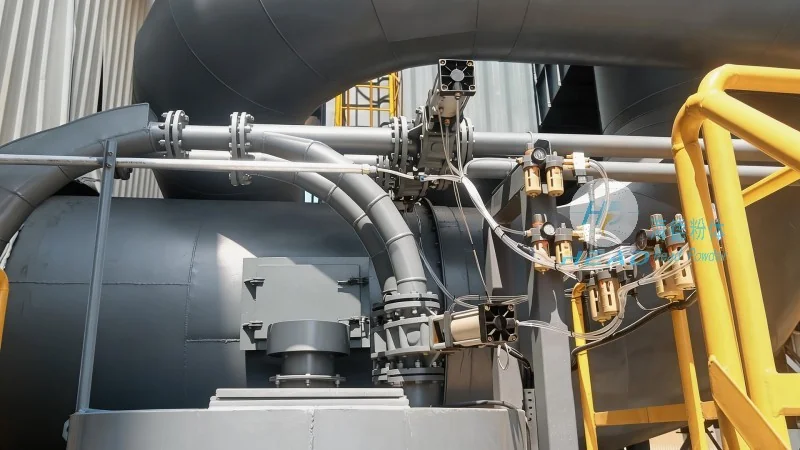
Hydraulic conveyors use high-pressure fluid to move coke through a pipeline. This method is particularly effective for transporting dense or abrasive materials, as it can handle high pressures without causing material breakdown. The advantages of hydraulic conveyors include high efficiency, the ability to transport materials over long distances, and minimal maintenance requirements. However, they have significant drawbacks, including high initial costs, the need for specialized equipment to manage fluid pressure, and potential for fluid leaks that could damage the system or the environment. Hydraulic conveyors are often used in heavy-duty industrial applications where other systems may not be suitable, such as in mining or construction industries.
5. Comparison and Selection Criteria
When choosing a coke transport method, several factors should be considered, including the volume of coke to be transported, the distance over which it needs to be moved, the material characteristics (e.g., moisture content, particle size), and the available budget. Belt conveyors are generally the most cost-effective for large-scale horizontal transport, while pneumatic conveying is better suited for fine materials or applications requiring dust control. Screw conveyors are ideal for compact spaces or smaller-scale operations, and hydraulic conveyors are suitable for heavy-duty, high-pressure applications. It is essential to evaluate the pros and cons of each method and select the one that best aligns with the specific operational needs and constraints of the industrial facility.

 Công ty TNHH Kỹ thuật Công trình Bột Hải Đức Sơn Đông
 156-6277-7102(Quản lý Trương)
  0531-83386006
  Quận Chương Khâu, Thành phố Tế Nam, Tỉnh Sơn Đông, Trung Quốc
Điện thoại
WeChatTư vấn
Lên đầu