Công ty Hải Đức Bột với hơn 10 năm kinh nghiệm vận chuyển khí, cung cấp hệ thống‑thiết bị‑quạt gió và nhận dự án tổng thầu bột cả nước
When it comes to the efficient and reliable transport of dry sludge in industrial and municipal applications, selecting the right method is crucial. The choice of transport system directly impacts operational efficiency, cost-effectiveness, and environmental compliance. This article provides a detailed comparison of common dry sludge transport methods, highlighting their advantages and disadvantages, to help stakeholders make informed decisions. The information is presented by Shandong HeadPowder Engineering Co., Ltd., a leading provider of specialized engineering solutions for sludge management, with offices located in Shandong, China.
1. Pipeline Transport Systems
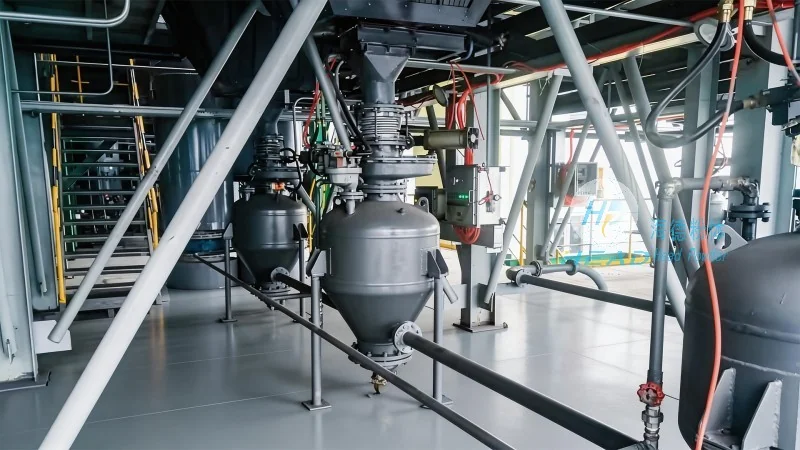
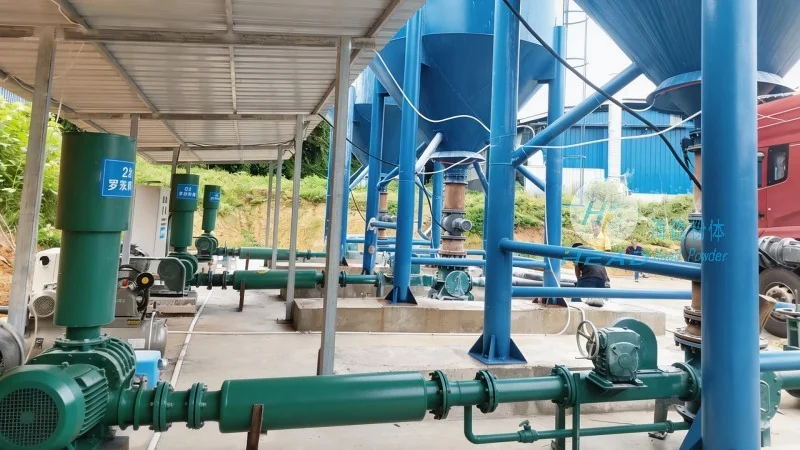
Pipeline transport is one of the most widely used methods for moving dry sludge over long distances. This system involves conveying sludge through a network of pipes, often under pressure. The primary advantage of pipeline transport is its ability to handle large volumes of material continuously, reducing the need for frequent equipment maintenance and labor. Additionally, it minimizes environmental exposure as the sludge remains enclosed within the pipeline, preventing dust and odor emissions. However, the disadvantages include high initial installation costs, especially for long-distance or complex pipe networks. Maintenance can also be challenging due to the need for specialized equipment and skilled personnel to address blockages or leaks. Furthermore, pipeline systems may require significant space for installation and are less flexible in terms of route changes compared to other methods.
2. Screw Conveyors
Screw conveyors, also known as auger conveyors, are another common method for transporting dry sludge. These systems use a rotating screw (auger) to move material along a trough. The main advantage of screw conveyors is their simplicity and low maintenance requirements. They are relatively inexpensive to install and can be easily integrated into existing facilities. Screw conveyors also provide a continuous and controlled flow of material, which is beneficial for processes that require consistent feed rates. However, their limitations include the risk of material bridging or clogging, particularly with cohesive or sticky sludge. This can lead to operational downtime and increased maintenance costs. Additionally, screw conveyors are generally suitable for shorter distances and lower material loads compared to pipeline systems, making them less effective for long-distance transport.
3. Pneumatic Conveying Systems
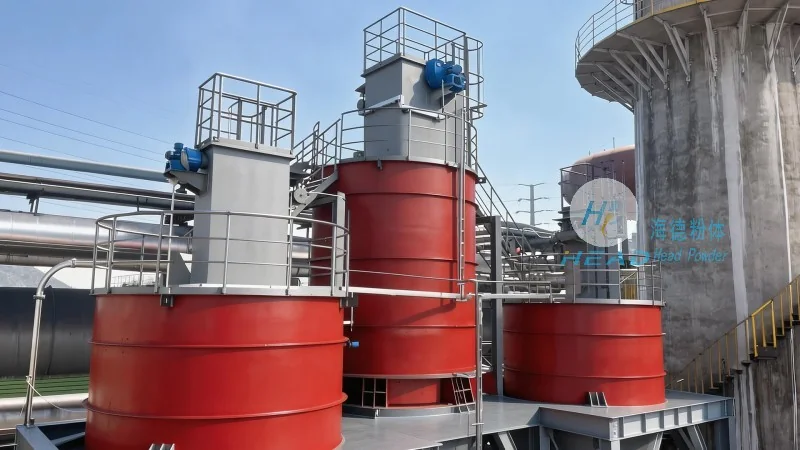
Pneumatic conveying, or air-pipe transport, uses compressed air to move dry sludge through a pipeline. This method is particularly effective for handling fine or powdery materials that are difficult to transport using other systems. The key advantage of pneumatic conveying is its ability to transport materials over long distances with minimal pressure drops. It also allows for the simultaneous transport of multiple materials in different pipelines, enhancing operational flexibility. However, the disadvantages include higher energy consumption due to the need for continuous air compression. This increases operational costs and may require additional equipment for air filtration and moisture control. Pneumatic systems are also more susceptible to blockages if the sludge contains large particles or debris, which can cause system failures and require costly repairs.
4. Other Auxiliary Equipment
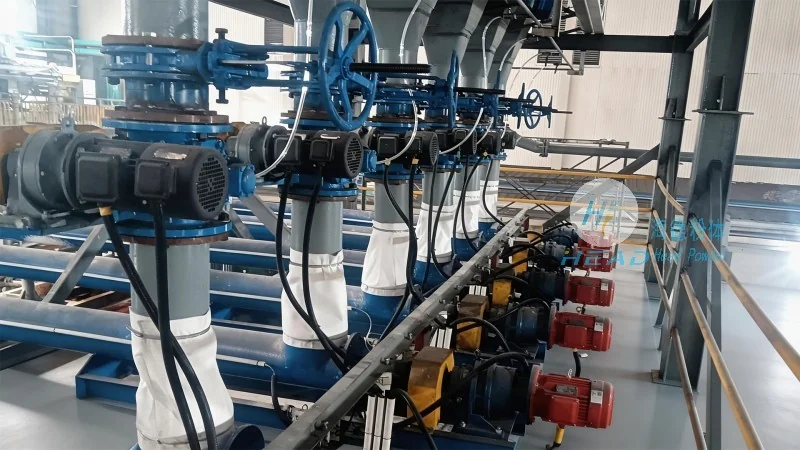
In addition to the primary transport methods, auxiliary equipment plays a vital role in optimizing dry sludge transport operations. For example, feeders and hoppers are used to regulate the flow of sludge into the transport system, ensuring consistent and controlled feeding. Vibrators and agitators are employed to prevent material bridging and ensure smooth movement through the system. These auxiliary devices help mitigate some of the limitations of the main transport methods, such as clogging or uneven flow. However, they add to the overall complexity and cost of the system, requiring additional maintenance and operational oversight.
5. Factors Influencing the Choice of Transport Method
The selection of the most suitable dry sludge transport method depends on several factors, including the characteristics of the sludge (e.g., moisture content, particle size, and consistency), the distance to be covered, and the specific requirements of the application. For instance, if the sludge is dry and free-flowing, a screw conveyor may be the most cost-effective option. Conversely, for long-distance transport of bulk dry sludge, a pipeline system might be more efficient. The availability of space and budget constraints also play a significant role in the decision-making process. Shandong HeadPowder Engineering Co., Ltd. specializes in designing and implementing customized transport solutions that address these factors, ensuring optimal performance and cost-effectiveness for each project.

 Công ty TNHH Kỹ thuật Công trình Bột Hải Đức Sơn Đông
 156-6277-7102(Quản lý Trương)
  0531-83386006
  Quận Chương Khâu, Thành phố Tế Nam, Tỉnh Sơn Đông, Trung Quốc
Điện thoại
WeChatTư vấn
Lên đầu