Công ty Hải Đức Bột với hơn 10 năm kinh nghiệm vận chuyển khí, cung cấp hệ thống‑thiết bị‑quạt gió và nhận dự án tổng thầu bột cả nước
When it comes to handling and transporting corn kernels in agricultural and industrial settings, selecting the right conveying method is crucial. Various options exist, each with its own set of advantages and disadvantages. This article provides a detailed comparison of common corn kernel conveying methods, helping businesses make informed decisions based on their specific operational needs.
About HeadPowder Engineering
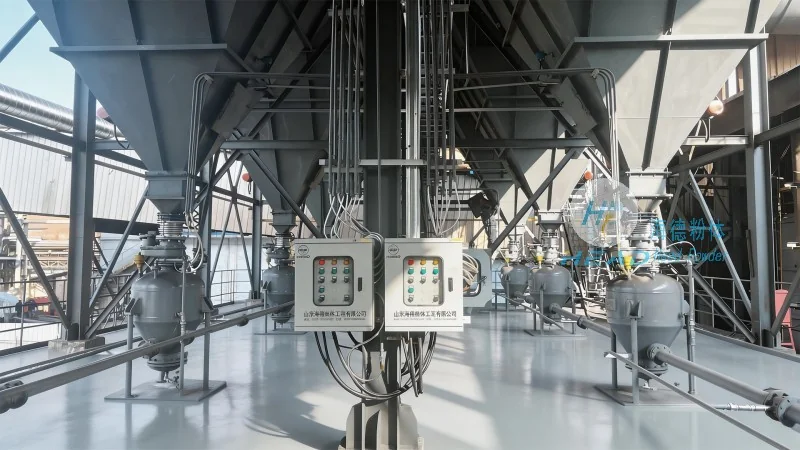
HeadPowder, a leading provider of engineering solutions, specializes in designing and manufacturing efficient conveying systems for agricultural products. With a strong presence in Shandong, China, HeadPowder leverages years of industry experience to deliver reliable and cost-effective solutions tailored to the needs of corn processing facilities.
Gravity Conveying: A Traditional Approach
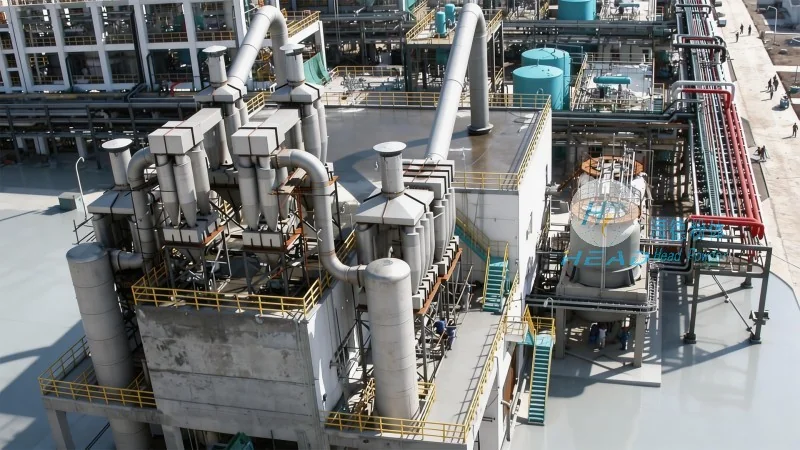
Gravity conveying relies on the natural force of gravity to move corn kernels from one point to another. This method typically involves inclined chutes or troughs that allow the kernels to slide down under their own weight. The primary advantage of gravity conveying is its simplicity and low operational cost, as it requires minimal energy input and has no moving parts that need maintenance. However, its effectiveness is limited by the need for a suitable slope, and it may not be suitable for long distances or steep inclines. Additionally, the speed of material flow is dependent on the angle of the chute and the characteristics of the corn kernels, which can lead to uneven transport rates.
Mechanical Conveying: Versatile and Controllable
Mechanical conveying systems use mechanical components such as belts, chains, or screws to transport corn kernels. Belt conveyors, for example, are widely used in corn processing plants due to their ability to handle large volumes of material over moderate distances. These systems offer high capacity and can be easily integrated with other processing equipment. The main advantages include precise control over the speed and direction of the material flow, as well as the ability to handle a variety of product types, including wet or sticky kernels. However, mechanical conveyors require regular maintenance to ensure smooth operation, and they may have higher initial costs compared to gravity systems. Moreover, they can generate more dust and noise, which may require additional environmental controls.
Pneumatic Conveying: Efficient for Long Distances
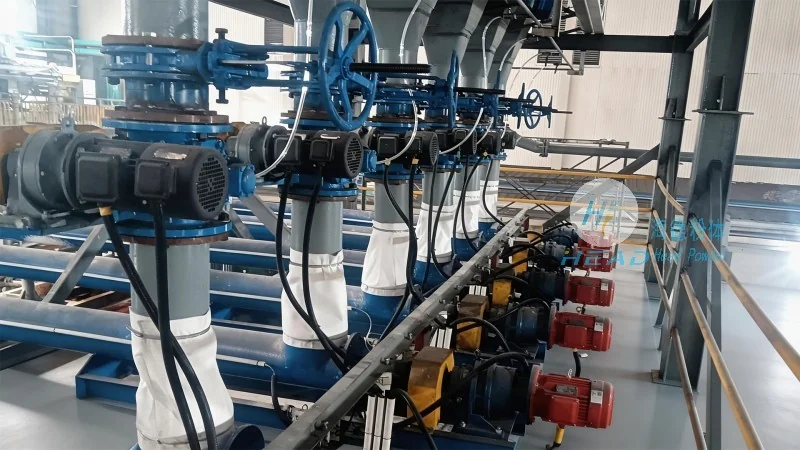
Pneumatic conveying uses air pressure to transport corn kernels through a pipeline system. This method is particularly suitable for long-distance or vertical transport, as it can move material over significant distances with minimal loss of product quality. The primary advantage is its ability to handle fine or fragile kernels without causing damage, and it can also be used for cleaning and drying processes. However, pneumatic systems require higher energy input compared to other methods, as they need to generate sufficient air pressure to move the material. Additionally, they may be more susceptible to blockages if the corn kernels are too large or have high moisture content, which can lead to system downtime and maintenance issues.
Choosing the Right Conveying Method for Your Operation
The choice of corn kernel conveying method depends on several factors, including the distance to be covered, the volume of material, the characteristics of the corn kernels (such as moisture content and size), and the available budget. Gravity conveying is ideal for short distances and low volumes, while mechanical conveyors are suitable for medium to large volumes and moderate distances. Pneumatic systems are best for long distances or when product integrity is a priority. Businesses should consider these factors carefully to select the most efficient and cost-effective conveying solution.
HeadPowder's Customized Solutions for Corn Kernel Conveying
At HeadPowder Engineering, we understand that each corn processing facility has unique requirements. Our team of experienced engineers works closely with clients to assess their operational needs and design customized conveying systems that optimize performance and reduce costs. Whether you need a gravity chute, a belt conveyor, or a pneumatic system, we provide high-quality components and professional installation services to ensure reliable operation. Our solutions are built to withstand the demands of continuous corn processing, ensuring long-term reliability and minimal downtime.

 Công ty TNHH Kỹ thuật Công trình Bột Hải Đức Sơn Đông
 156-6277-7102(Quản lý Trương)
  0531-83386006
  Quận Chương Khâu, Thành phố Tế Nam, Tỉnh Sơn Đông, Trung Quốc
Điện thoại
WeChatTư vấn
Lên đầu