Công ty Hải Đức Bột với hơn 10 năm kinh nghiệm vận chuyển khí, cung cấp hệ thống‑thiết bị‑quạt gió và nhận dự án tổng thầu bột cả nước
When it comes to handling foam particles in industrial settings, selecting the right conveying method is crucial for efficiency, cost-effectiveness, and operational safety. Foam particles, often used in industries such as food processing, pharmaceuticals, and chemical manufacturing, require specialized equipment to ensure smooth and reliable transport. This article provides a detailed comparison of common foam particle conveying methods, highlighting their advantages and disadvantages to help businesses make informed decisions.
Overview of Foam Particle Conveying Methods
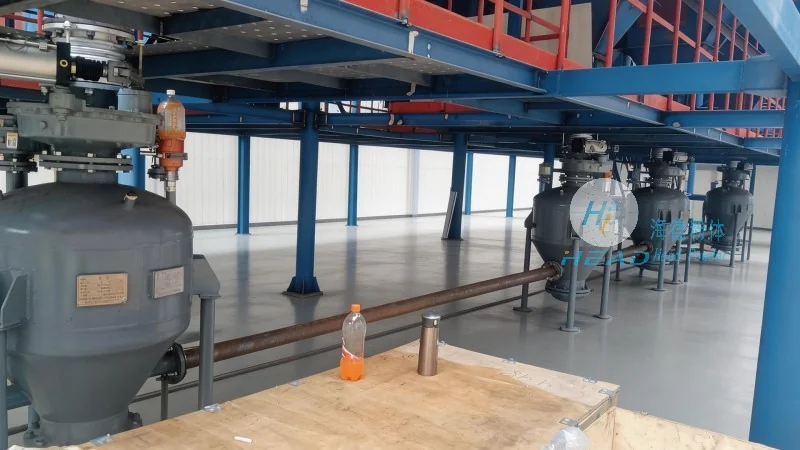
Conveying foam particles involves moving these lightweight, often porous materials from one location to another. The choice of method depends on factors like particle size, density, moisture content, and the distance to be covered. Common methods include mechanical conveyors, pneumatic systems, and gravity-based solutions. Each approach has its own set of benefits and drawbacks, which are explored below.
Spiral Conveyors: A Mechanical Solution for Uniform Transport
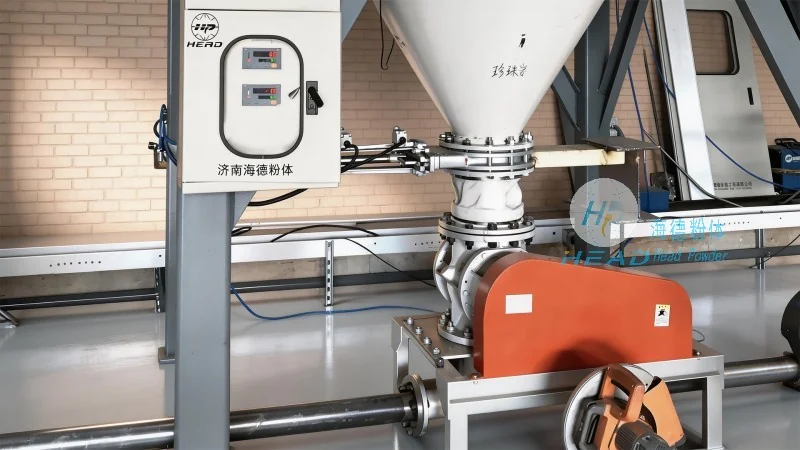
Spiral conveyors, also known as screw conveyors, are widely used for foam particle transport due to their simplicity and reliability. These systems consist of a rotating screw inside a tube, which pushes the material forward. The design allows for vertical or inclined transport, making them suitable for applications where space is limited or elevation changes are required. One of the key advantages of spiral conveyors is their ability to handle a wide range of particle sizes without causing segregation or breakage. They are also relatively low-maintenance, with fewer moving parts compared to other mechanical systems. However, spiral conveyors have limitations when dealing with very fine or lightweight foam particles, as these can easily become airborne and cause dust issues. Additionally, the screw can cause friction and heat buildup, which may affect the quality of heat-sensitive foam materials. The cost of installation and potential for material degradation due to friction are also considerations for long-term use.
Pneumatic Conveying: Efficient for High-Volume and Long-Distance Transport
Pneumatic conveying systems use air or other gases to transport foam particles through a pipeline. This method is ideal for high-volume applications and long-distance transport, as it can move materials over several hundred meters without the need for multiple transfer points. There are two main types of pneumatic conveying: pressure and vacuum systems. Pressure systems force air and particles through the pipeline, while vacuum systems draw particles into the system. The primary advantage of pneumatic conveying is its ability to handle fine or abrasive particles without causing damage, as the particles are suspended in the air stream. It also allows for enclosed transport, reducing dust and contamination risks. However, pneumatic systems require significant energy input to maintain the air flow, leading to higher operational costs. The equipment is also more complex, with components like air compressors, filters, and cyclones that need regular maintenance. Additionally, the system may not be suitable for very large or heavy foam particles, as they can cause blockages or excessive pressure drops in the pipeline.
Gravity Flow Conveying: Cost-Effective for Short Distances
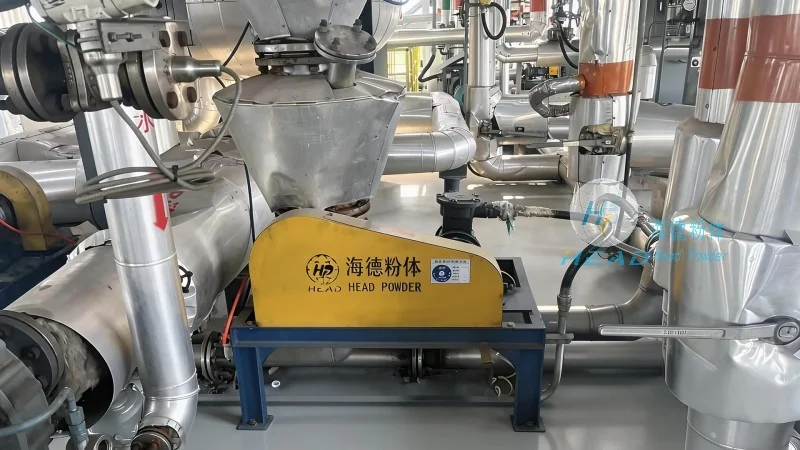
Gravity flow conveying relies on the natural force of gravity to move foam particles from a higher to a lower elevation. This method is typically used for short distances and when the material has sufficient density to flow under its own weight. The system consists of a sloped pipe or trough that allows the particles to slide down without the need for external power. One of the main advantages of gravity flow is its low cost and simplicity, as it requires no moving parts or energy input. It is also environmentally friendly, as it does not generate dust or noise. However, gravity flow is only suitable for materials with a high bulk density and low moisture content. It is not effective for lightweight or fine foam particles, which may require additional assistance to move. The system also has limitations in terms of distance and elevation change, as the slope must be steep enough to ensure proper flow. Additionally, the material may segregate or break down during transport, affecting product quality.
HeadPowder's Expertise in Foam Particle Conveying Solutions
Shandong HeadPowder Engineering Co., Ltd., a leading provider of industrial conveying solutions, specializes in designing and manufacturing equipment tailored to the unique needs of foam particle handling. With years of experience in the industry, HeadPowder understands the challenges associated with transporting lightweight and porous materials and offers customized solutions to address these issues. The company's expertise includes the development of specialized spiral conveyors, pneumatic systems, and gravity flow solutions that are optimized for foam particles. By leveraging advanced engineering and material science, HeadPowder ensures that its products meet the highest standards of efficiency, reliability, and safety. The company's commitment to quality and customer satisfaction has made it a trusted partner for businesses in various industries, helping them improve their operational performance and reduce costs.
Conclusion: Choosing the Right Conveying Method for Foam Particles
Choosing the appropriate foam particle conveying method requires careful consideration of the material properties, operational requirements, and budget constraints. Each method has its own advantages and disadvantages, and the best choice depends on the specific application. Spiral conveyors are ideal for uniform and moderate-volume transport, pneumatic systems are suitable for high-volume and long-distance applications, and gravity flow is cost-effective for short distances. By understanding these factors and consulting with experts like Shandong HeadPowder Engineering Co., Ltd., businesses can select the most effective conveying solution to meet their needs. The goal is to achieve efficient, safe, and cost-effective transport of foam particles while maintaining product quality and minimizing operational risks.

 Công ty TNHH Kỹ thuật Công trình Bột Hải Đức Sơn Đông
 156-6277-7102(Quản lý Trương)
  0531-83386006
  Quận Chương Khâu, Thành phố Tế Nam, Tỉnh Sơn Đông, Trung Quốc
Điện thoại
WeChatTư vấn
Lên đầu