Công ty Hải Đức Bột với hơn 10 năm kinh nghiệm vận chuyển khí, cung cấp hệ thống‑thiết bị‑quạt gió và nhận dự án tổng thầu bột cả nước
When it comes to handling glass particles in industrial settings, selecting the right conveying method is crucial for efficiency, cost-effectiveness, and operational safety. Different applications demand specific solutions, and understanding the advantages and disadvantages of each common method is essential for making informed decisions. This article provides a detailed comparison of prevalent glass particle conveying techniques, helping businesses choose the most suitable option for their needs.
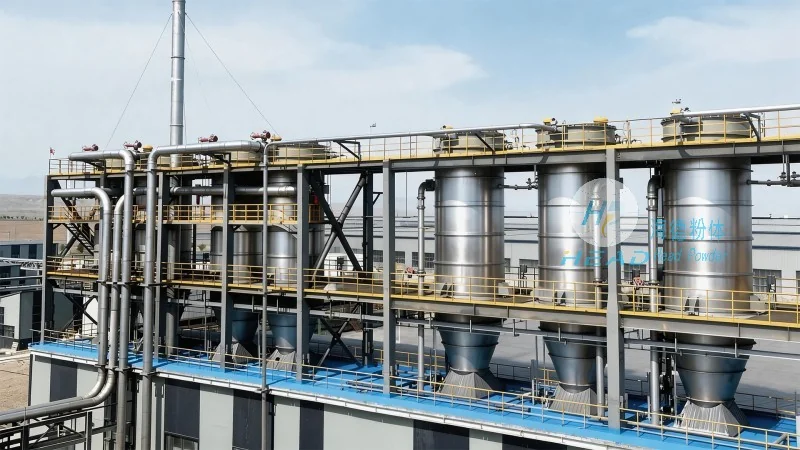
1. Screw Conveyors for Glass Particles
Screw conveyors, also known as auger conveyors, are widely used for transporting glass particles due to their simplicity and reliability. These systems consist of a rotating helical screw inside a tube, which moves material forward through the process of pushing and pulling. The primary advantage of screw conveyors is their ability to handle a wide range of particle sizes and shapes, making them versatile for various glass products. They are also relatively low-cost to install and maintain, with minimal moving parts that reduce the risk of mechanical failure. However, screw conveyors have limitations when dealing with abrasive or sticky glass particles, as the screw and tube can experience wear over time. Additionally, they are not suitable for vertical lifting over large heights, as the torque required increases significantly with height, potentially leading to energy inefficiencies. For horizontal or slight incline applications, screw conveyors remain a popular choice, especially in environments where space is limited and a compact design is preferred.
2. Pneumatic Conveying Systems
Pneumatic conveying, or air-powered transport, uses compressed air to move glass particles through a pipeline. This method is ideal for applications requiring dust-free or enclosed transport, as the material is contained within the system, minimizing environmental contamination. One of the key advantages of pneumatic conveying is its ability to transport glass particles over long distances and at varying heights, including vertical lifts, without the need for additional mechanical components. It also allows for the integration of multiple processing steps, such as mixing or drying, within the conveying line. However, pneumatic systems can be more complex and expensive to set up compared to other methods, particularly for high-volume applications. The energy consumption is also higher due to the continuous operation of air compressors, and the system may require regular maintenance to ensure air tightness and prevent particle leakage. Furthermore, the design of the pipeline and air velocity must be carefully optimized to avoid particle degradation or blockages, which can be challenging for irregularly shaped glass particles.
3. Belt Conveyors for Bulk Glass Transport
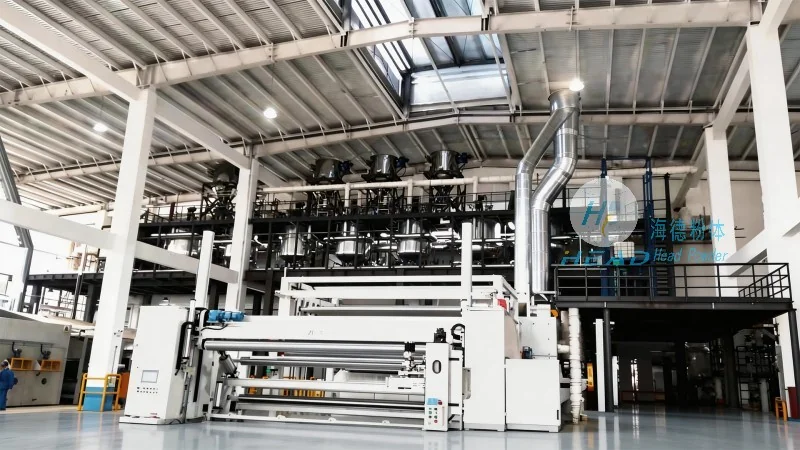
Belt conveyors are a classic solution for transporting bulk glass particles, especially in high-volume production lines. These systems consist of a continuous belt that moves over rollers or pulleys, carrying the material from one point to another. The main advantage of belt conveyors is their high capacity and ability to handle large quantities of glass particles efficiently. They are also relatively easy to install and can be customized for different widths and lengths to fit specific facility layouts. Belt conveyors are suitable for both horizontal and inclined transport, and they can be integrated with other equipment, such as sorting or packaging machines, to streamline the production process. However, belt conveyors have limitations when dealing with abrasive glass particles, as the belt and pulleys can wear out quickly, leading to increased maintenance costs and potential downtime. They also require regular cleaning to prevent material buildup and ensure smooth operation. Additionally, belt conveyors are not ideal for vertical lifting, as the belt tension and speed must be carefully managed to prevent slippage or material spillage.
4. Vibrating Conveyors for Glass Particle Handling
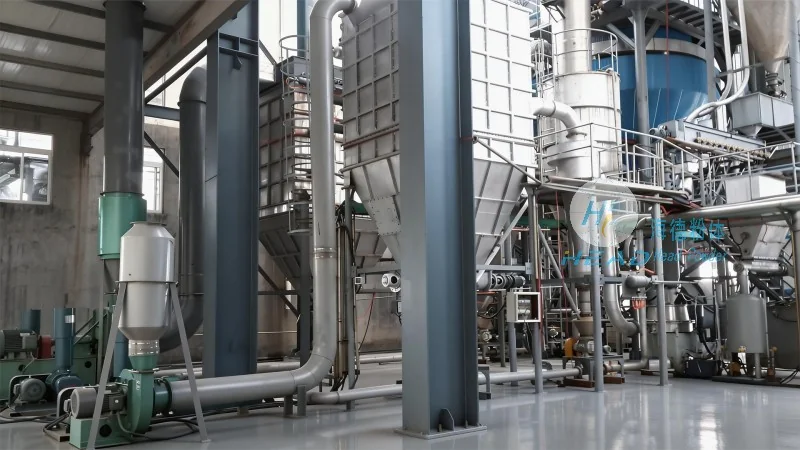
Vibrating conveyors use mechanical vibrations to move glass particles along a trough or conveyor bed. This method is particularly effective for handling sticky or cohesive glass materials, as the vibrations help break up clumps and ensure consistent flow. The primary advantage of vibrating conveyors is their ability to handle a wide range of particle sizes and shapes, including irregularly shaped glass pieces. They are also relatively low-cost and easy to maintain, with minimal moving parts that reduce the risk of mechanical failure. Vibrating conveyors are suitable for both horizontal and slight incline applications, and they can be used in environments where other conveying systems may not be feasible, such as in confined spaces or areas with limited headroom. However, these systems can be noisy and may require additional noise reduction measures in certain settings. The vibration frequency and amplitude must be carefully adjusted to ensure optimal material movement, and improper settings can lead to material degradation or uneven distribution. Additionally, vibrating conveyors may not be suitable for high-volume applications, as the system may struggle to maintain consistent flow rates.
5. Comparison and Selection Criteria
When comparing these glass particle conveying methods, several factors should be considered to determine the most suitable option. The first is the material characteristics, including particle size, shape, and abrasiveness. For example, screw conveyors are ideal for small, uniform particles, while pneumatic systems are better for larger or irregular pieces. The second factor is the distance and height of the transport, as some methods are more suitable for vertical lifting than others. The third is the required capacity and throughput, as high-volume applications may need belt or pneumatic systems. The fourth is the operational environment, including space constraints, noise requirements, and environmental regulations. Finally, the cost of installation, maintenance, and energy consumption should be evaluated to ensure the chosen method aligns with the budget and long-term operational goals.
Conclusion: Choosing the Right Conveying System for Glass Particles
Selecting the appropriate glass particle conveying method is a critical decision that impacts the efficiency and success of industrial operations. By understanding the advantages and disadvantages of each common technique—such as screw conveyors, pneumatic systems, belt conveyors, and vibrating conveyors—businesses can make informed choices that meet their specific needs. The key is to evaluate the material characteristics, transport requirements, and operational constraints to identify the most effective solution. For businesses in the glass industry, partnering with a reputable engineering company like Shandong HeadPowder Engineering Co., Ltd. can provide expert guidance and customized solutions tailored to their unique challenges. With a focus on quality and reliability, HeadPowder offers a range of conveying systems and services designed to optimize glass particle handling, ensuring smooth operations and long-term success in the industry.

 Công ty TNHH Kỹ thuật Công trình Bột Hải Đức Sơn Đông
 156-6277-7102(Quản lý Trương)
  0531-83386006
  Quận Chương Khâu, Thành phố Tế Nam, Tỉnh Sơn Đông, Trung Quốc
Điện thoại
WeChatTư vấn
Lên đầu